
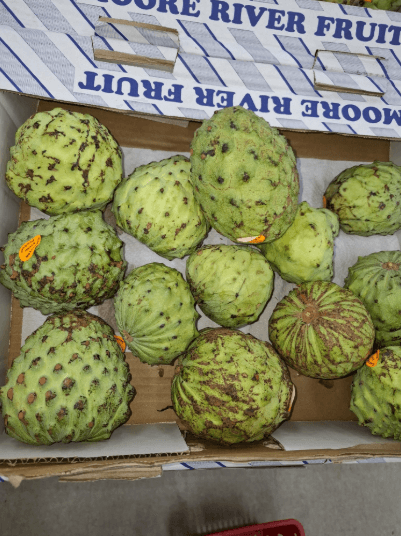
In the bustling fruit markets of South-East Asia, among pyramids of mangoes, dragon fruit, rambutans, and durians, there is another treasure that often surprises travelers with its creamy sweetness – the Custard Apple. Soft, fragrant, and almost dessert-like in texture, this tropical fruit is one of the region’s most underrated culinary delights.
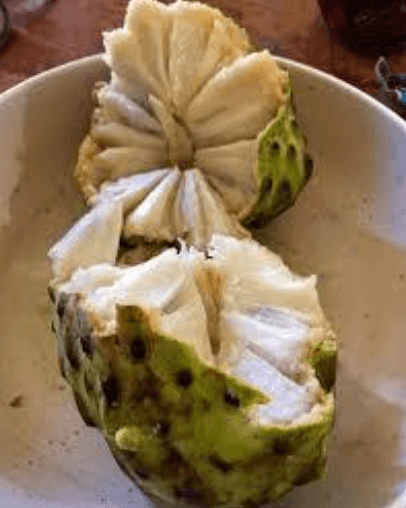
Known by different names across Asia, the custard apple is a fruit that invites curiosity. Its knobbly green skin may not look glamorous at first glance, but inside lies velvety white flesh with a flavor often described as a mixture of vanilla custard, banana, pear, and pineapple. One spoonful is enough to understand why locals treasure it.
What Exactly Is a Custard Apple?
The custard apple belongs to the Annona family, which also includes sweetsop, cherimoya, and soursop. In many parts of South-East Asia, the most commonly encountered varieties are the sugar apple (Annona squamosa) and hybrid custard apples that thrive in tropical climates.
The fruit usually has:
- Green or slightly yellow bumpy skin
- Soft creamy flesh
- Large black seeds
- A rich sweet aroma when ripe
Unlike crunchy tropical fruits, custard apple is eaten with a spoon or by gently pulling apart the segments by hand. The texture is smooth and custard-like – which explains the fruit’s English name.
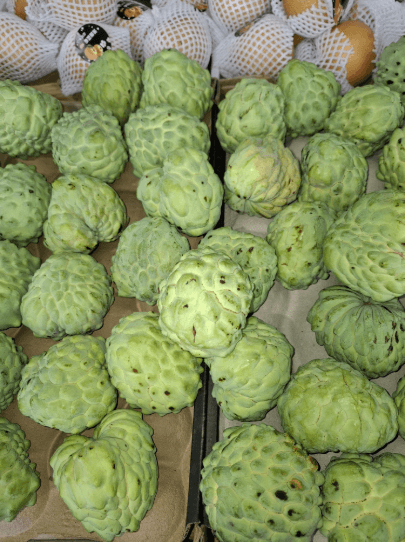
A Fruit Loved Across South-East Asia
Custard apples flourish in warm tropical environments, making South-East Asia an ideal place to enjoy them fresh from the tree.
Thailand
In Thailand, custard apples (known in Thai as น้อยหน่า [pronounced “noi-naa”]) are commonly sold in local markets and roadside fruit stalls. Thai vendors often chill the fruit before serving, making it wonderfully refreshing in the tropical heat. In some regions, it is blended into smoothies or mixed into coconut desserts.
Vietnam
Vietnamese markets overflow with seasonal tropical fruits, and custard apples (known as “Mãng cầu ta”) are especially popular in southern Vietnam. The fruit is appreciated for its sweetness and cooling qualities during humid weather.
Indonesia
Across Indonesia, travellers may discover custard apples (known as “Srikaya”) growing in village gardens and rural farms. Fresh fruit juices and ice desserts often incorporate the creamy pulp.
Philippines
In the Philippines, the fruit is known locally as “Atis”. It is widely loved as a simple street-side snack, eaten fresh while wandering through local markets.
Malaysia
In Malaysia, where it is known as “Buah Nona”, the fruit occasionally appears in tropical fruit buffets and roadside stalls, especially in rural farming regions where fresh local produce dominates the food culture.
Why Travelers Fall in Love With Custard Apple
Part of the joy of travelling is discovering flavours that never taste quite the same back home. Custard apple is one of those fruits best enjoyed where it is grown locally and ripened naturally under the tropical sun.
Many exported fruits lose flavour during transportation and refrigeration. But in South-East Asia, you can experience custard apples at peak ripeness:
- Freshly harvested
- Intensely fragrant
- Naturally sweet
- Perfectly soft and creamy
Eating one in a humid tropical market while surrounded by the sounds of scooters, bargaining vendors, and sizzling street food becomes part of the travel memory itself.
More Than Just a Fruit
Custard apples also connect travellers to local culture and traditional lifestyles. In many rural communities, fruit trees grow casually beside homes, temples, and rice fields. Seasonal fruits are woven into daily life, local desserts, and family traditions.
For adventurous food lovers, trying local fruits is one of the easiest ways to experience a country beyond tourist attractions. It opens the door to conversations with vendors, visits to traditional markets, and appreciation for regional agriculture. Watch video on eating Custard Apple.
How to Eat Custard Apple
If you are trying custard apple for the first time:
- Wait until the fruit feels slightly soft.
- Split it open with your hands or cut it in half.
- Scoop out the creamy flesh with a spoon.
- Avoid swallowing the black seeds.
Many locals also enjoy it:
- Blended into smoothies
- Mixed into ice cream
- Added to shaved ice desserts
- Combined with coconut milk
The Best Way to Experience It?…Travel South-East Asia
While famous fruits like durian and mango often dominate travel brochures, custard apple remains a hidden gem waiting to be discovered by curious travellers.
The real magic lies not only in the fruit itself, but in where you eat it:
- At a bustling morning market in Bangkok
- Beside a beach in the Philippines
- In a quiet Vietnamese village
- At a roadside fruit stall in rural Indonesia
- During a tropical adventure through Malaysia
Custard apple is more than a snack – it is part of the sensory experience of South-East Asia. The colours, humidity, aromas, and hospitality of the region make every bite memorable.
So the next time you plan a journey through South-East Asia, skip the familiar supermarket fruits and taste something truly local. Somewhere between the street food stalls and tropical markets, you may discover that the humble custard apple becomes one of the sweetest memories of your travels. [Learn how to grow Custard Apple].
Other fruits you could try when travelling through South-East Asia are Pomelo (Giant Citrus Fruit), Jackfruit (World’s Largest Fruit), Snake Fruit (Salak), Durian (King of Fruits), Mangosteen (Queen of Fruits), Langsat (Longkong), Rambutan (Hairy Fruit), Longan (Dragon Eye), Chiku (Sapota), Star Fruit (Carambola), and Rose Apple (Jambu).
Check out our South-East Asia Tours.