
Having gone through a brutal civil war pitting the communists against Western-backed forces via Cold War proxies, there are unsurprisingly a huge number of dark tourism sites in Mozambique.
These range from former FRELIMO guerrilla bases, RENAMO operating areas, mass graves, and liberation monuments across the country. In fact, to such a degree, in 2025 the Mozambican government officially classified almost 400 liberation struggle heritage sites, including former prisons, massacre locations, military bases, and memorials as state-recognised heritage and potential red tourism sites.
While the vast majority of these are not yet developed for tourism, it does show the government placing increasing importance on dark tourism sites, as well as ideological heritage tourism that highlights the liberation struggle and the formation of the modern state. It also reflects growing external influence, particularly from China, in how post-colonial memory and heritage tourism are being structured and funded.
Click to see our take on Dark Tourism.
Table of Contents
Top 11 Dark Tourism Sites in Mozambique
So, while there are now officially 400+ of these sites as stated, most haven’t exactly been developed for tourism. Therefore, we’ve listed the 11 most important dark tourism sites in Mozambique, ranked in order of significance and accessibility.
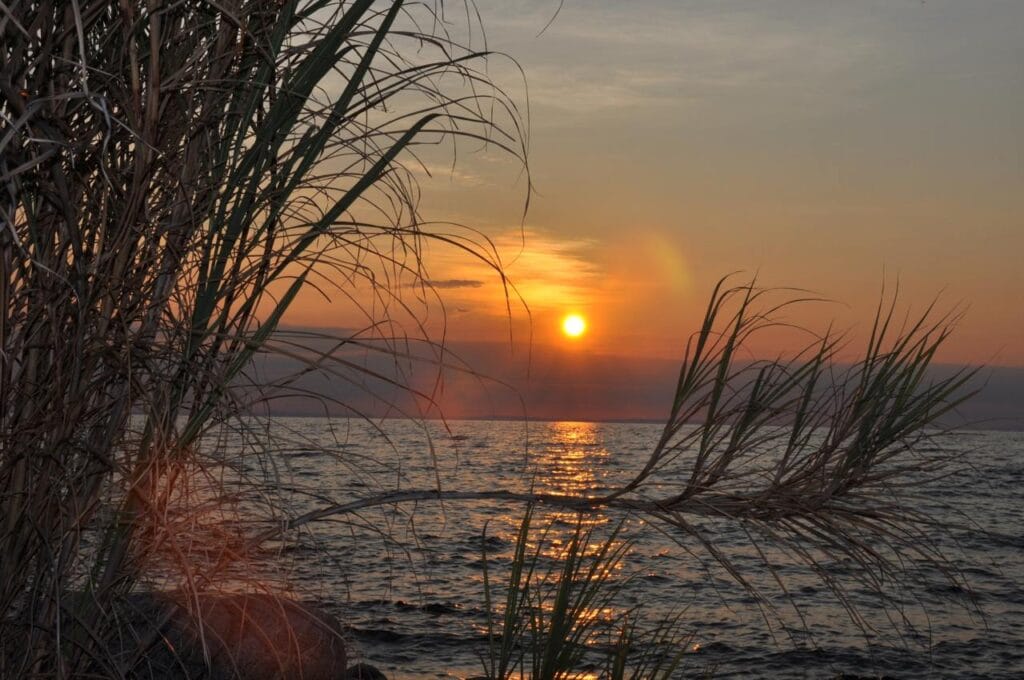
11. Massingir Region (Gaza Province)
A strategic border zone that saw repeated fighting during the civil war due to its proximity to South Africa and Swaziland. The area around the Massingir Dam became a contested military zone, with RENAMO and government forces clashing repeatedly. Today, remnants of the conflict remain in local memory and scattered infrastructure.

Photo: mozambiqueexpert
10. Niassa Reserve (Niassa Province)
One of the largest protected areas in Africa, Niassa was heavily affected during the liberation war and civil war. It served as a remote operational zone for guerrilla activity, with FRELIMO (https://en.wikipedia.org/wiki/FRELIMO) and RENAMO both using the vast wilderness for movement and supply routes. The war decimated wildlife populations and left behind abandoned camps.
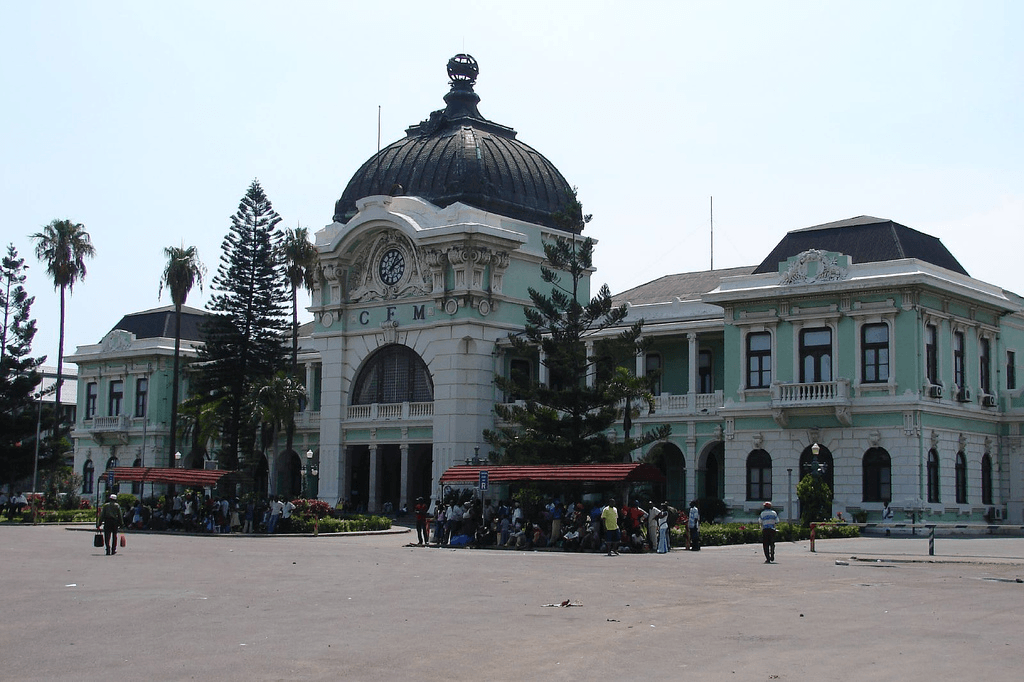
9. Maputo Railway Station (Maputo)
A key transport hub that played a strategic role during both colonial rule and the post-independence conflicts. It was used for troop movement, logistics, and civilian evacuations during periods of instability. Today it stands as a reminder of how infrastructure was repeatedly caught up in political violence.
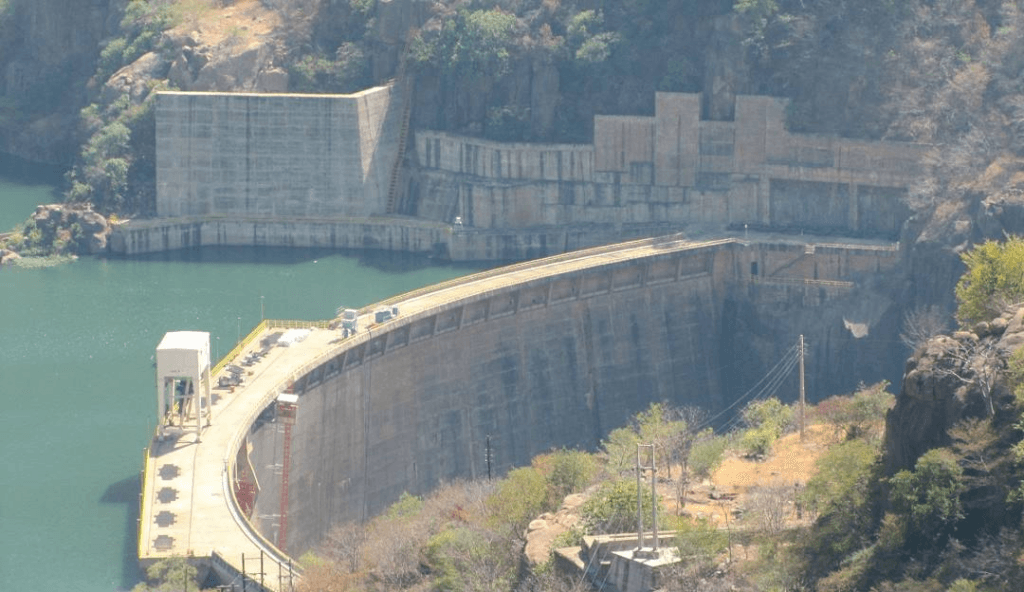
8. Cahora Bassa Dam (Tete Province)
One of the most strategically important infrastructure projects in southern Africa. Built during Portuguese rule, it became a major Cold War flashpoint. RENAMO frequently sabotaged power lines and infrastructure linked to the dam, making it a symbolic and physical target throughout the civil war.
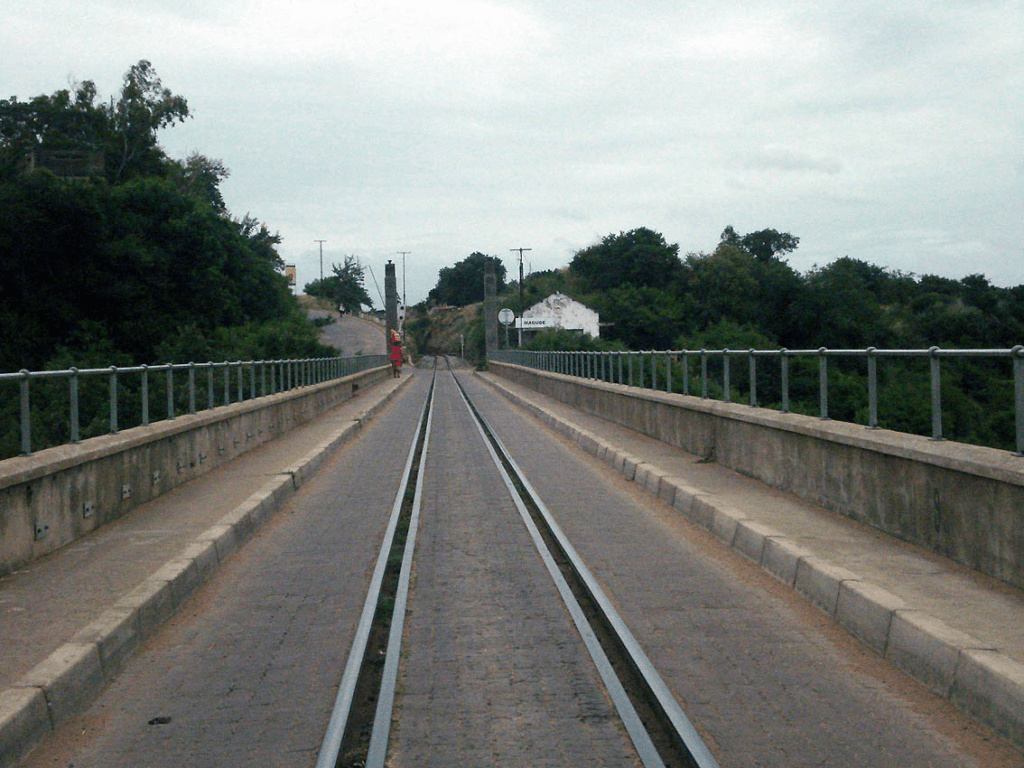
7. Limpopo Railway Line (Southern Mozambique)
A critical transport route that was repeatedly targeted and destroyed during the civil war. It symbolises the economic collapse caused by prolonged conflict, with entire sections abandoned for years. Restoration efforts continue today, but the line still carries historical weight.
6. Machava Central Prison (Maputo)
One of the most significant detention centres in the country’s modern history. Used during both the Portuguese colonial period and later under the independent government, it held political prisoners from multiple eras of repression. It remains an active prison, so it cannot be visited.
5. Gorongosa National Park (Sofala Province)
Once one of Africa’s greatest wildlife reserves, Gorongosa was devastated during the civil war. It became a major battleground and supply zone, with wildlife heavily depleted due to hunting by both sides. Today it is partially restored but still carries visible scars of war.
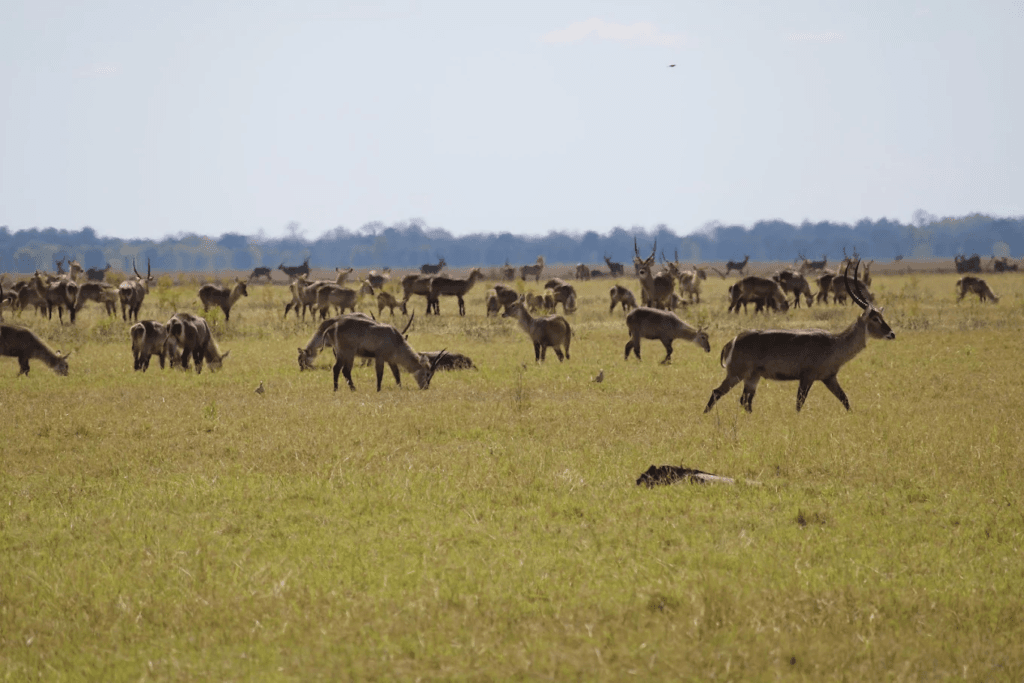
4. Xefina Island
A former colonial-era military and prison island used to control access to Maputo Bay. It was used at various times to detain prisoners and host coastal artillery batteries. The island still contains remnants of its defensive infrastructure.
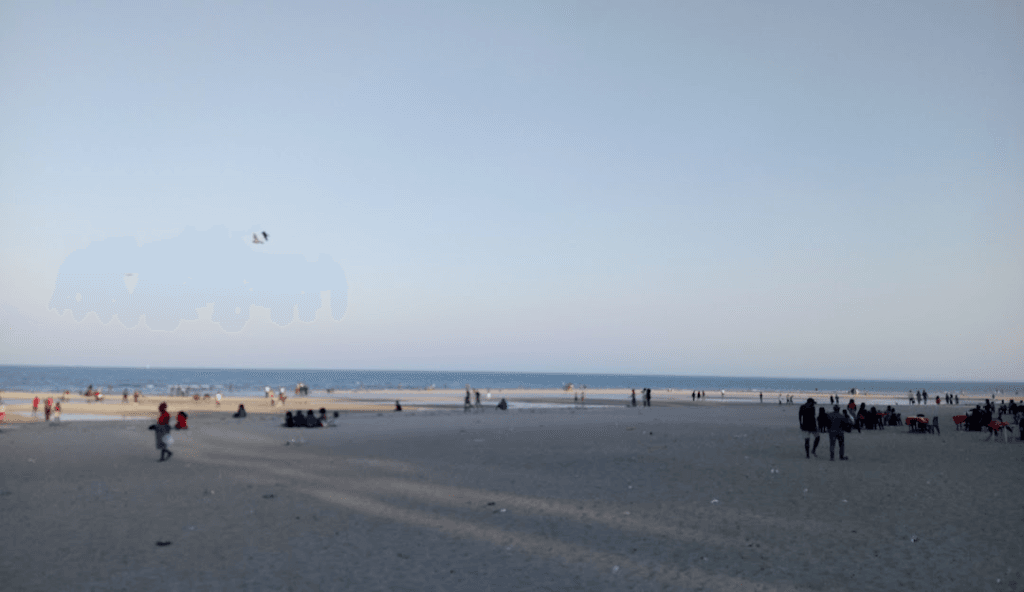
3. Fort São Sebastião
One of the oldest surviving European forts in sub-Saharan Africa. Built by the Portuguese in the 16th century, it was used for military control, imprisonment, and as part of the slave trade network. Its dungeons and defensive structures reflect centuries of colonial violence.
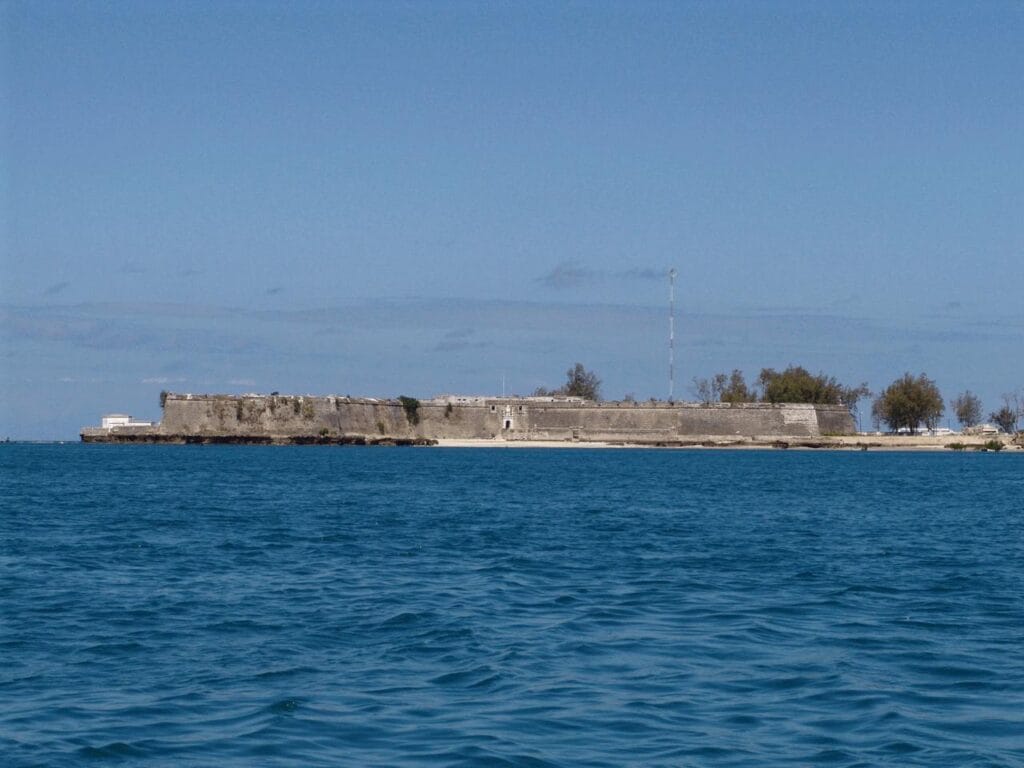
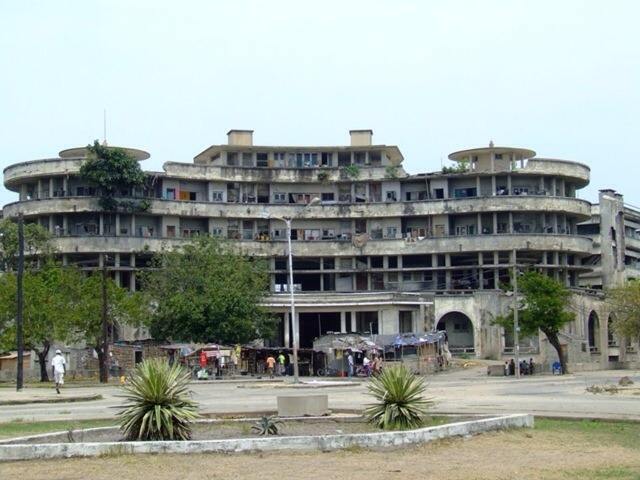
2. Grande Hotel Beira
A massive abandoned hotel that has become one of Africa’s most iconic ruins. Built in the 1950s as a luxury project, it was later occupied during the civil war and transformed into a refuge for displaced populations. It remains partially inhabited, blending ruin and living community.
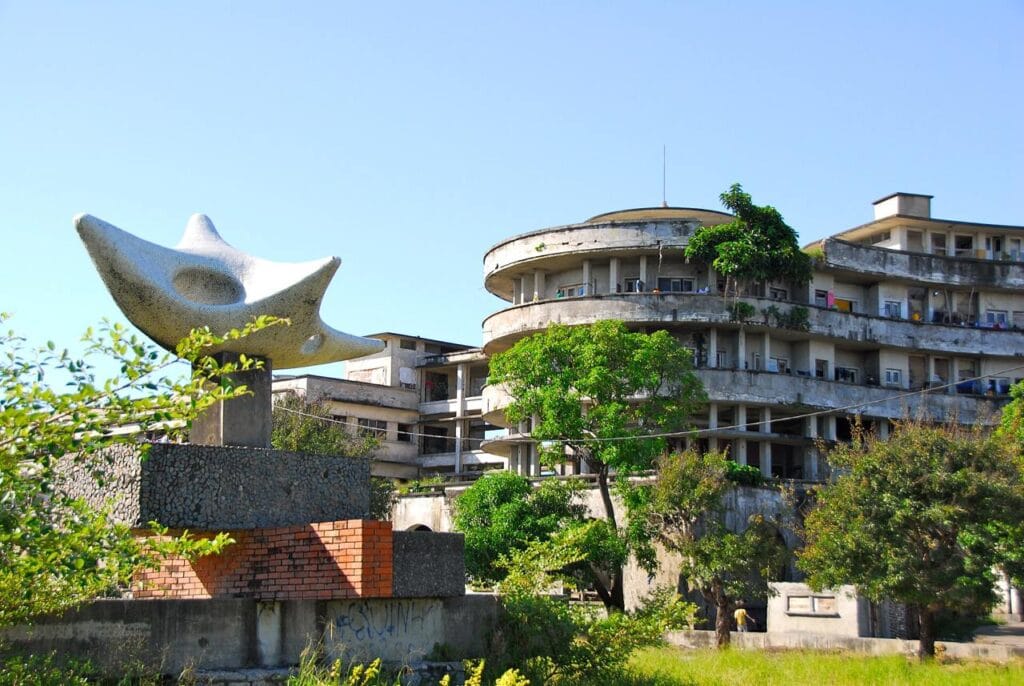
1. Vila Algarve (Maputo)
The most important dark tourism site in Mozambique. Former headquarters of the Portuguese secret police (PIDE), it was used for interrogation, detention, and torture during the independence struggle. It stands today as a key memorial to anti-colonial resistance.
Click to see our Mozambique Tours, which can be designed around Dark Tourism.