
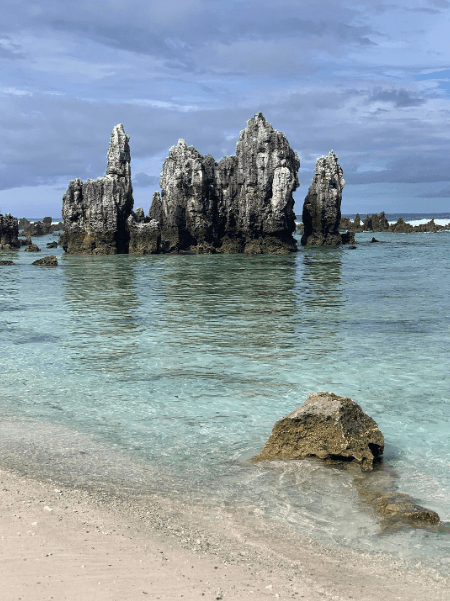
Imagine planning a trip to one of the world’s least-visited countries only to discover it has a new name. The Pacific island nation once known as Nauru has officially reclaimed its traditional indigenous name – Naoero [pronounced “nah-oh-EH-roh” (or na-O-eh-ro)]. More than a simple change of spelling, it marks a powerful return to the island’s cultural roots, language and identity, inviting travellers to discover not only a destination but the story behind its name.
For travelers seeking destinations beyond the ordinary, understanding the story of Naoero offers a deeper appreciation of this remarkable Pacific island.
Table of Contents
A Name That Predates Colonial Maps
Long before European explorers charted the island in the late eighteenth century, the people who lived here knew it as Naoero.
Like many Pacific nations, colonial administrators and foreign cartographers adapted indigenous names into forms that were easier for Europeans to pronounce and spell. Over time, “Nauru” became the internationally recognised version.
Today, many citizens believe that embracing Naoero helps preserve one of the world’s rarest languages and reconnects the nation with its ancestral roots.
It is much more than a change in spelling – it is a statement of identity.
Meet the dei-Naoero
The name change goes beyond the country’s official title – it also changes what its people are known as.
Citizens of the Republic of Naoero are now officially called “dei-Naoero”, replacing the English demonym Nauruan.
In the Nauruan language, the prefix “dei-” means “of” or “from.” Therefore, dei-Naoero literally translates to “a person from Naoero”.
Like the country’s return to its traditional name, adopting dei-Naoero reflects a renewed pride in preserving one of the world’s rarest indigenous languages and strengthening the island’s unique cultural identity. It is a reminder that names carry meaning – they connect people to their ancestors, their language, and the place they call home.
Just as Eswatini replaced Swaziland, Türkiye replaced Turkey, and Czechia has gained wider international recognition alongside the Czech Republic, Naoero represents another nation embracing its authentic identity on the world stage.
One of the World’s Smallest Nations
Naoero is tiny in every sense.
- Area: just 21 square kilometres (5190 acres)
- Population: around 11,000 people
- Circumference: about 19 kilometres (12 miles)
- No official capital city (Yaren is de facto capital)
- One of only a handful of countries without rivers
Despite its size, the island has lived an extraordinary history.
Once covered by vast deposits of phosphate created by centuries of seabird activity, Nauru became one of the wealthiest nations per capita during the phosphate boom. Although much of the island’s interior bears the scars of mining, it also tells a remarkable story of resilience and renewal.
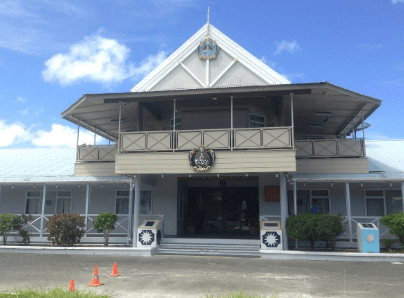
Why Visit Naoero?
Travellers don’t come here for luxury resorts or bustling nightlife.
They come because Naoero offers something increasingly rare:
+ Authenticity.
This is one of the few places on Earth where tourism remains a genuine adventure rather than a packaged experience.
+ Places Worth Exploring
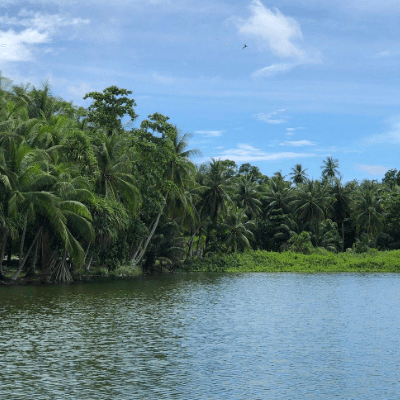
* Buada Lagoon
Hidden among lush vegetation, this freshwater lagoon forms the island’s green heart.
Palm trees sway around its tranquil waters, creating a surprising oasis amidst the coral landscape
* Anibare Bay
Perhaps the most beautiful stretch of coastline on the island, Anibare Bay features white coral sands and brilliant turquoise waters.
The powerful Pacific surf makes swimming risky at times, but the scenery is unforgettable.
Perfect for:
- Sunrise photography
- Coastal walks
- Watching fishermen at work
* Command Ridge
History enthusiasts shouldn’t miss Command Ridge.
This was the highest point on the island and served as a strategic Japanese stronghold during the Second World War.
Visitors can still see:
- Rusting artillery guns
- Underground bunkers
- Wartime relics
- Sweeping views across the island
* Moqua Well
One of Nauru’s natural freshwater sources, Moqua Well demonstrates how precious fresh water has always been on this isolated coral island.
* The Pinnacles
The island’s interior presents an almost lunar landscape.
Jagged limestone spires – left behind after decades of phosphate mining, create one of the most unusual geological landscapes in the Pacific.
While stark, they also tell the story of a nation shaped by both natural wealth and environmental challenges.
Life Moves at Island Pace
One of Naoero’s greatest attractions is its simplicity.
There are no traffic jams.
No crowded tourist buses.
No endless queues.
A single road circles the island, allowing visitors to drive around the entire country in less than an hour.
Yet many travellers discover that the best experiences come from slowing down, chatting with locals, and appreciating a lifestyle measured not by schedules but by the rhythm of the ocean.
A Rare Pacific Culture
Nauruan culture blends Micronesian traditions with influences from its colonial past.
Visitors may encounter:
- Traditional dance performances
- Local handicrafts
- Freshly caught tuna and reef fish
- Coconut-based dishes
- Friendly island hospitality
The Nauruan language remains one of the least-spoken national languages in the world, making efforts to preserve names such as Naoero especially significant.
Travelling Responsibly
Naoero reminds visitors that paradise can also face challenges.
Climate change, limited freshwater supplies, and the environmental legacy of phosphate mining continue to shape daily life.
By visiting respectfully, supporting local businesses, hiring local guides, and learning about the island’s history, travellers help contribute to a more sustainable future for this unique nation.
Why “Naoero” Matters
Across the world, many countries and cities have embraced indigenous names as an affirmation of their cultural heritage. Whether or not Nauru eventually adopts Naoero more formally in international use, the growing recognition of the traditional name reflects a desire to honour the island’s first language and its enduring identity.
For visitors, using the name “Naoero” is more than a linguistic curiosity – it is a gesture of respect toward the people whose ancestors have called this coral island home for centuries.
Traveller’s Essentials
Location: Central Pacific Ocean, north-east of Australia
Best Time to Visit: May to October, when rainfall is generally lower
Language: Nauruan and English
Currency: Australian Dollar $ (AUD)
Getting Around: A single coastal road circles the island; rental vehicles and taxis are available.
Visa: Check current entry requirements before travelling, as they may change.
Final Thoughts
In an age when so many destinations compete for attention with ever-taller skyscrapers and ever-larger attractions, Naoero offers something profoundly different. It invites travellers to discover a place where culture, history, and resilience are woven into every shoreline and every conversation.
Whether you once knew it as Nauru or are discovering it for the first time as Naoero, this tiny Pacific nation offers one of the world’s most authentic travel experiences. Today, visitors are welcomed not only by spectacular coastlines and warm island hospitality but also by the proud dei-Naoero, whose embrace of their traditional name reflects a deep respect for their history, language and cultural heritage. In an increasingly globalised world, Naoero reminds us that a name is far more than a label – it is the heart of a people’s identity.
Click to check out our Noero Tours.