
From ancient alleyways to modern waterfront elegance, Jakarta’s two Chinatowns tell a remarkable story. Most great cities have a Chinatown. Jakarta has two.
One is steeped in centuries of history, where incense drifts through ancient temples and narrow lanes overflow with traditional medicine shops, street food, and family-run businesses. The other is a dazzling new cultural destination, where beautifully designed architecture, gourmet dining, and waterfront promenades create a contemporary celebration of Chinese-Indonesian heritage.
Together, Glodok and Pantjoran PIK offer travellers two completely different experiences, yet both reveal the enduring influence of Chinese culture in Indonesia.
Whether you’re a foodie, history enthusiast, photographer, or simply curious about Jakarta beyond its shopping malls, exploring these two Chinatowns should be at the top of your itinerary.
Table of Contents
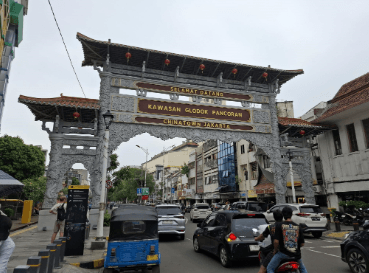
Glodok – Jakarta’s Historic Chinatown
Located in West Jakarta, Glodok is one of Indonesia’s oldest Chinese settlements, dating back to the 17th century during the Dutch colonial era.
Walking through Glodok feels like stepping into another world. The streets buzz with activity as vendors sell herbs, spices, tea, traditional medicines, electronics, household goods, and every imaginable street snack.
Behind every corner lies another surprise – an ornate temple, a hidden courtyard, or a family business that has served the community for generations.
Highlights of Glodok
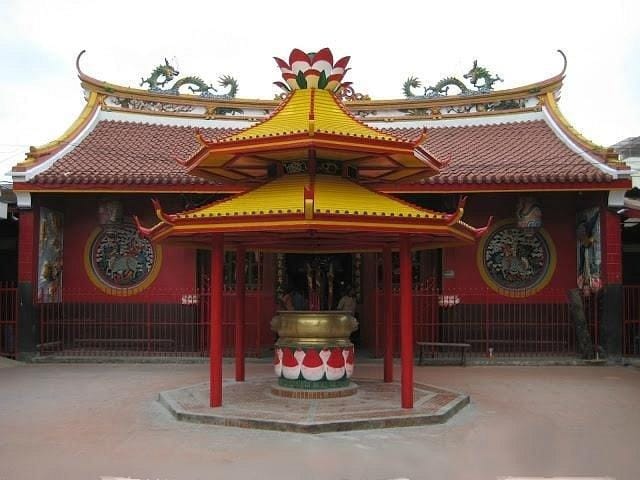
Dharma Bhakti Temple
One of Jakarta’s oldest Chinese temples, originally built in 1650.
The temple is filled with:
- Burning incense
- Red lanterns
- Ancient wooden carvings
- Colourful shrines
- Worshippers offering prayers for prosperity and good fortune
Its peaceful atmosphere provides a welcome contrast to the busy streets outside.
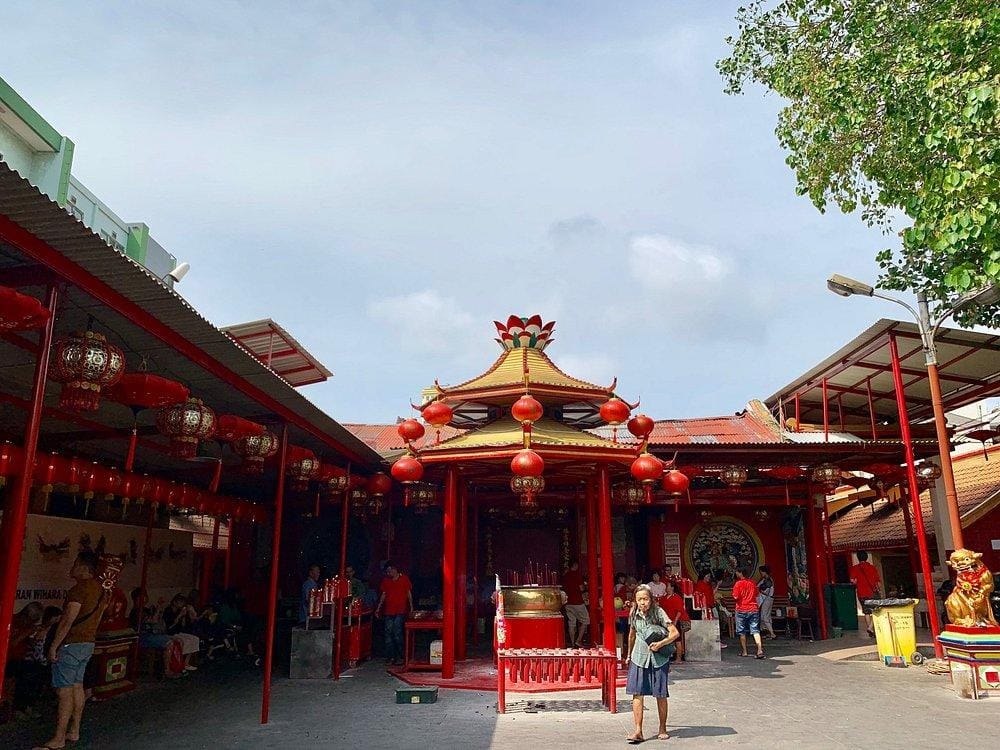
Petak Enam
A beautifully restored heritage food complex combining history with modern dining.
Here visitors can sample:
- Bakmi noodles
- Hainan chicken rice
- Satay
- Dim sum
- Traditional Indonesian-Chinese desserts
- Fresh herbal drinks
- Indonesian coffee
The restored colonial architecture makes it one of Jakarta’s most photogenic food destinations.
Traditional Markets
Glodok is famous for:
- Chinese herbs
- Traditional medicines
- Tea shops
- Incense
- Lucky charms
- Kitchenware
- Electronics
- Religious supplies
Even if you’re not shopping, wandering through the bustling alleys is an unforgettable cultural experience.
Street Food Paradise
Many Jakartans say Glodok serves some of the city’s finest Chinese-Indonesian cuisine.
Don’t miss:
- Bakmi (egg noodles)
- Kwetiau
- Siomay
- Lumpia
- Bakpao
- Roast duck
- Chinese pastries
- Sweet peanut pancakes
- Fresh sugar cane juice
Many recipes have been passed down through multiple generations.
Pantjoran PIK – Jakarta’s New Chinatown
Across town lies a completely different experience.
Located within the modern Pantai Indah Kapuk (PIK) development, Pantjoran PIK is Jakarta’s newest Chinatown – a beautifully designed cultural precinct inspired by classic Chinese architecture while embracing modern lifestyle and entertainment.
Rather than preserving the past, Pantjoran PIK celebrates Chinese-Indonesian culture in an elegant contemporary setting.
Wide pedestrian streets, decorative gateways, lantern-lined walkways, and stylish restaurants create an atmosphere unlike anywhere else in Jakarta.
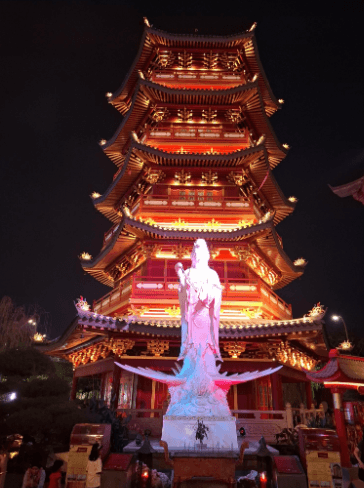
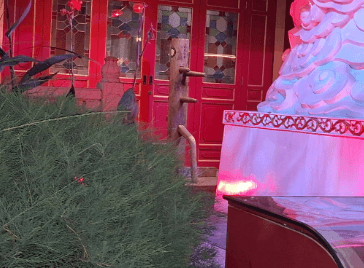
Hidden behind the Goddess of Mercy (Kwan Yin) statue is a Mook Yan Jong (Wooden Dummy) used by practitioners of Wing Chun, a Martial Art founded by a nun. Read about Wing Chun here, and one of its instructors.
Highlights of Pantjoran PIK
Beautiful Architecture
Every building has been carefully designed to evoke traditional Chinese towns.
Expect to see:
- Ornate gateways
- Curved rooftops
- Red lanterns
- Stone lions
- Traditional calligraphy
- Decorative archways
Every corner seems made for photography.
A Food Lover’s Paradise
Pantjoran PIK is rapidly becoming one of Jakarta’s premier dining destinations.
Visitors can enjoy:
- Cantonese cuisine
- Sichuan dishes
- Taiwanese snacks
- Dim sum
- Chinese barbecue
- Bubble tea
- Artisan coffee
- Modern Indonesian fusion
- Seafood
- Premium desserts
Many restaurants blend traditional recipes with modern presentation.
Night-time Magic
As darkness falls, thousands of lanterns illuminate the streets.
The glowing lights reflect off the buildings, creating an enchanting atmosphere perfect for evening strolls and photography.
Weekend cultural performances often add to the festive mood.
Family-Friendly Atmosphere
Unlike the bustling commercial streets of Glodok, Pantjoran PIK offers a relaxed environment.
Visitors can:
- Walk comfortably
- Enjoy outdoor dining
- Browse boutique shops
- Watch live entertainment
- Relax with waterfront views
It has quickly become a favourite weekend destination for both locals and tourists.
Old Meets New
Perhaps the most fascinating aspect of visiting both Chinatowns is witnessing two very different chapters of Jakarta’s Chinese-Indonesian story.
| Glodok | Pantjoran PIK |
Over 300 years of history | Newly developed cultural destination |
Traditional markets | Boutique shopping |
Ancient temples | Modern architecture inspired by tradition |
Bustling alleyways | Spacious promenades |
Heritage street food | Contemporary dining |
Living history | Modern cultural experience |
Rather than competing with each other, they complement one another beautifully.
Suggested One-Day Chinatown Itinerary
Morning
- Visit Dharma Bhakti Temple
- Explore Glodok’s historic streets
- Shop for tea, herbs, and souvenirs
Lunch
- Eat at Petak Enam
- Sample traditional Chinese-Indonesian dishes
Afternoon
- Wander Glodok’s markets
- Enjoy coffee at a heritage café
Evening
- Travel to Pantjoran PIK
- Stroll beneath the lanterns
- Enjoy dinner overlooking the waterfront
- Stay after sunset for spectacular night photography
Traveler’s Essentials
Best Time to Visit
- Dry season (May to September) offers more comfortable walking weather.
- Visit Glodok in the morning to experience the markets at their liveliest.
- Visit Pantjoran PIK from late afternoon into the evening, when the lanterns are illuminated and the precinct comes alive.
Getting There
- Both districts are easily reached by taxi or ride-hailing services (like Grab) from central Jakarta.
- Allow around 30-60 minutes to travel between them, depending on traffic.
What to Bring
- Comfortable walking shoes
- Camera or smartphone
- Cash for small market purchases in Glodok
- An appetite for exploring a wide variety of Chinese-Indonesian cuisine
Cultural Tips
- Dress respectfully if entering temples.
- Ask permission before photographing worshippers.
- Be prepared for crowds, especially on weekends and during Chinese festivals such as Lunar New Year, and the Lantern Festival.
Why You Should Visit
Many travellers think of Jakarta simply as Indonesia’s sprawling capital, but its two Chinatowns reveal a richer story – one of migration, resilience, tradition, and renewal.
In Glodok, you’ll hear echoes of centuries past as incense curls through ancient temples and market vendors greet loyal customers. In Pantjoran PIK, you’ll witness how that same heritage continues to evolve, expressed through modern design, vibrant dining, and lively public spaces.
Few cities allow you to experience both the depth of history and the excitement of reinvention in a single day. Exploring these two Chinatowns is more than a culinary adventure or a sightseeing excursion; it is a journey through the living heritage of Chinese-Indonesian culture.
So, on your next visit to Jakarta, make time for both Glodok and Pantjoran PIK. Between the aromas of sizzling street food, the glow of red lanterns, the serenity of ancient temples, and the warmth of modern hospitality, you’ll discover two neighbourhoods that together capture the soul of one of South-East Asia’s most dynamic cities.
Check out our YPT Indonesia Tours.