Do I need a Visa?
The visa process to the Democratic Republic of Congo is complex – citizens of almost all countries require a visa in advance. The only exception is some of DRC’s neighbours, including Rwanda, Uganda, and the Republic of the Congo.
Despite rumours of an incoming e-visa system, it is still required to apply for a tourist visa at your nearest Congolese embassy. Thankfully, you are not required to visit the embassy in person but can instead mail your application to them. We will help you with this, but you will be required to send the following:
1) One visa application form. This varies at each embassy, but here is an example.
2) One passport-style photograph (5cm x 5cm) taken within the last 6 months.
3) Payment addressed to the Embassy of the Democratic Republic of Congo. (the details of this vary according to country, and we will advise you according to location)
4) Invitation letter from the tourist agency. (we will provide this)
5) A copy of your yellow fever vaccination card.
6) A copy of the flight itinerary (this does not have to be an actual booking or ticket).
7) A copy of the bio page of your passport, and copies of previous DRC visas (if applicable).
8) A valid, signed passport with at least two blank pages marked “Visas” side by side and at least six months of validity remaining. Please renew your passport if you do not have this.
9) A prepaid mailing envelope for the return of the applicant’s passport. (the details of this vary according to country, and we will advise you according to location)
Visas take around three weeks to be issued and are dependent on authorization being given from the Department of Foreign Affairs in Kinshasa. Visas start at $100 for a single-entry visa lasting 30 days, which will be enough for most visitors. You can read more about the general visa process and the different fees on the website of the Embassy of the DRC in the USA.
When is the best time to Visit?
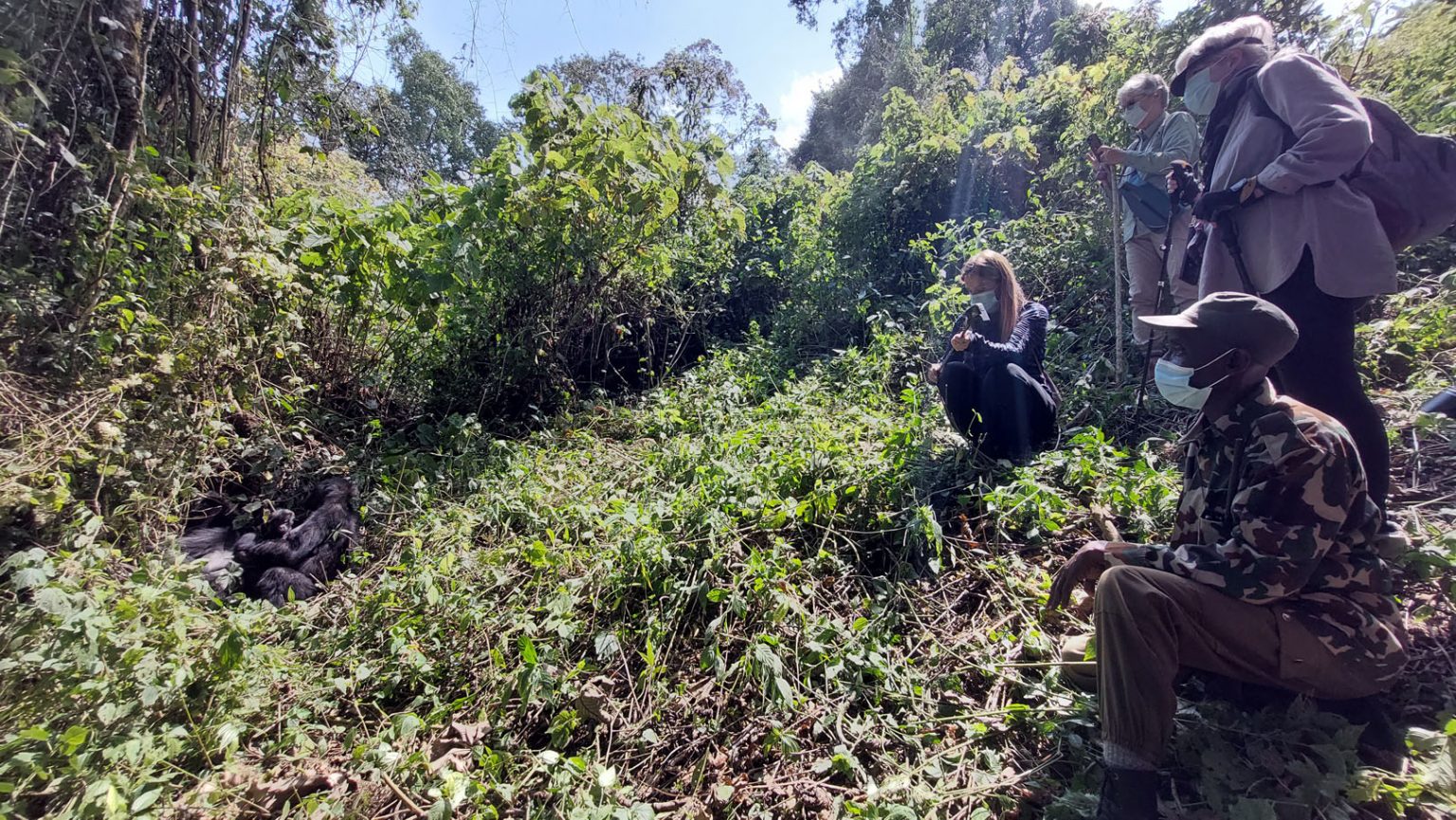
The best time to visit the Democratic Republic of Congo is during the dry seasons, which occur from June to September and December to February. The weather is more favourable for travel and outdoor activities, especially considering that many of the DRC’s roads are unpaved and can become impassable in the rainy season. While gorilla permits are cheaper in the wet season, treks can become difficult, and sightings are much less likely. As the country sits on the equator, actual temperatures hardly change throughout the year and stay around 30OC during the day in Kinshasa. However, the DRC is a huge country, with cities such as Goma sitting at a high altitude and, therefore, colder than the capital.
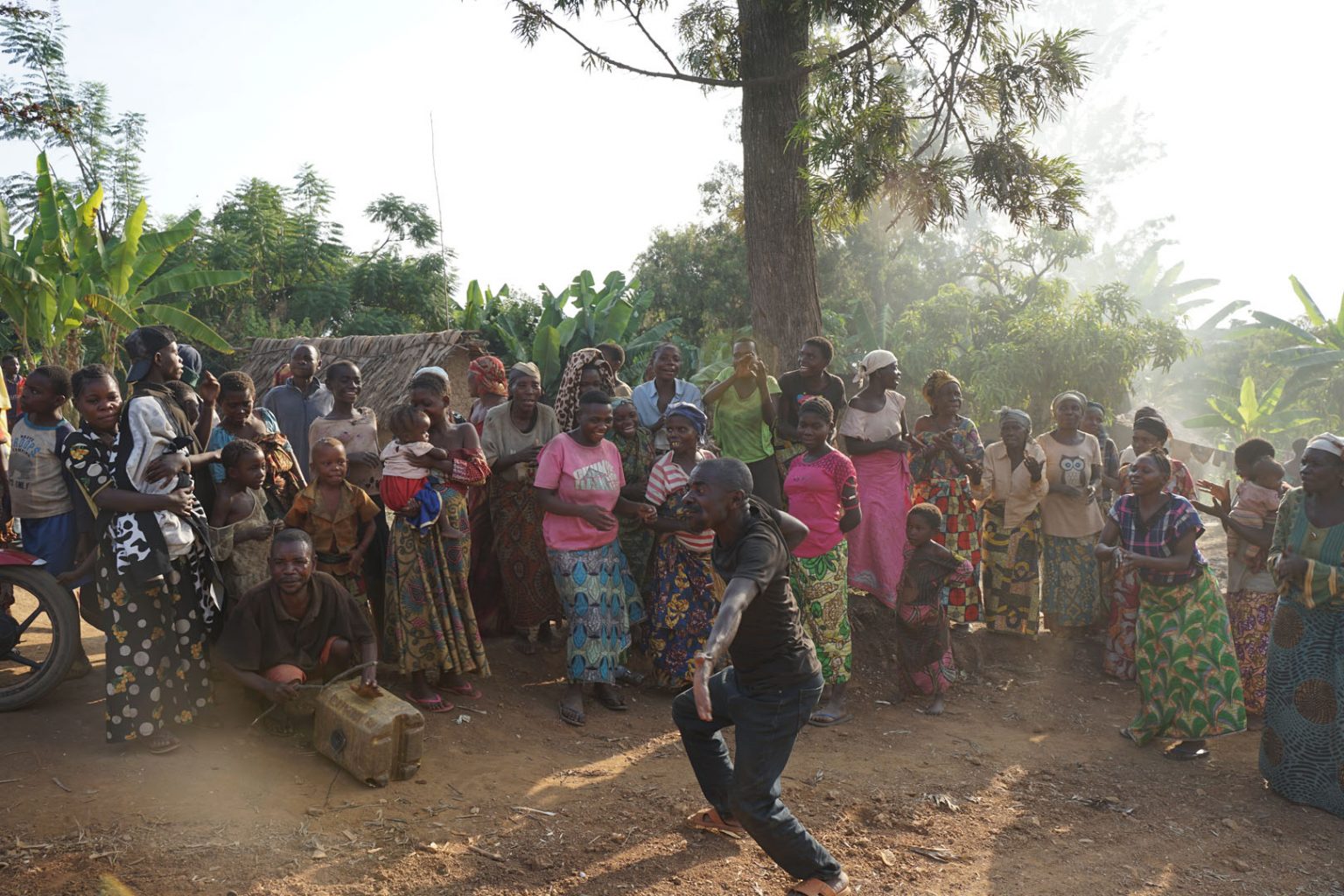
It is worth experiencing the unique and spectacular Gunga festival, hosted by the Pende people in the town of Gunga, about 2 hours from Kinshasa. Held on a changeable date in July each year, this celebration of rural culture and the passage of young people into adulthood now attracts participants from over 11 African countries. Christmas and Easter are big holidays, as they are in all Christian countries.
Is it safe?
The DRC is a country that seems to constantly be in the news for all the wrong reasons. However, while safety varies greatly depending on the region, some areas (including most of Kinshasa) can be relatively safe for travellers who take sensible precautions. Sadly, other regions, especially in the eastern part of the country, experience ongoing conflicts, armed groups, and political instability.
Of course, we stay in constant contact with our local partners, who will determine whether an area is safe or not. For example, while the eastern cities of Goma and Bukavu are relatively stable now, there is always a risk that surrounding conflicts will overspill, and we reserve the right to change any itinerary at short notice for the benefit of your safety.
Other hazards include poor transport conditions and crime. We ensure the use of the best vehicles and drivers and only utilize boats and airlines that we have determined to be safe. Although the situation has improved, the crime rate remains high in cities such as Kinshasa and Goma. Therefore, we urge you to take common-sense precautions and heed advice on which areas to avoid and at what times. Additionally, please be respectful when discussing conflict in Congo, as you will likely meet people directly affected by the violence that has impacted (and continues to impact) the country. Conflicts from neighbouring countries like Rwanda, Uganda, and South Sudan have spilled over into the DRC, so take a neutral stance on foreign affairs and aim to listen rather than critique the views of the Congolese you meet.
Unlike some of its neighbours (most notoriously Uganda), the DRC has no laws criminalizing consensual same-sex relations. However, homosexuality is generally seen as immoral in the country, which remains overwhelmingly Christian and socially conservative. It is strongly recommended to keep your sexuality private while in the country. Public displays of affection are utterly inappropriate regardless of who is involved.
What currency is used?
The DRC’s currency is the Congolese Franc (CDF), which trades at around 2,800 to the US Dollar. You can check the exchange rate here.
In practice, however, the Franc is only used for small transactions. Any transaction of $10 or more is expected to be conducted in US Dollars. Please only bring notes that are crisp and not printed after 2008, or they will likely not be accepted. Euros can be exchanged easily into Francs, although are not used in everyday commerce as USD is. Other currencies are very hard to exchange, and rates will be poor.
What languages are spoken?
The Democratic Republic of Congo is a vast and multiethnic nation. As a result, over 200 different languages are spoken. The national language is French, which will be by far the most useful language for you to use. It is spoken by all educated people and acts as the national lingua-franca. Due to the Belgian colonial legacy, it is the language of business, education, and interethnic communication, with many in the cities speaking it as their mother tongue.
In addition to French, Kituba, Lingala, Swahili, and Tshiluba are official languages. These are all Bantu languages and act as the vernacular in different areas of the DRC. Lingala is prominent in Kinshasa and, as a result, has spread across the whole country. Swahili is used in the east of the country and is also used across the country to communicate with neighbouring countries.
Very few people speak English, and those that do are almost always young, educated Congolese living in Kinshasa. However, all our guides speak fluent English, so you will be well looked after!
Can I use a credit/debit card?
You can use credit and debit cards in major stores, restaurants and hotels in Kinshasa. However, outside of the capital and at markets cards are seldom accepted, so we strongly recommend carrying enough cash with you.
What health precautions should I take?
While occasional outbreaks of infectious diseases make the news, travel to the DRC is no more high risk than to any other African country. However, you would be very wise to take some health precautions, such as ensuring that you are up-to-date on routine vaccines and have been vaccinated for hepatitis A, hepatitis B, typhoid, and rabies. Yellow fever vaccines are mandatory to enter the country. The whole of the DRC is a malaria-endemic country, so take antimalarial medication as prescribed, use insect repellent, sleep under mosquito nets, and wear long-sleeved clothing to prevent mosquito bites. Drink bottled or boiled water, avoid ice in drinks, and eat thoroughly cooked food that is served hot, while being cautious with raw fruits and vegetables unless you can peel them yourself.
We strongly advise having comprehensive travel insurance that covers medical expenses, including evacuation in case of severe illness or injury. Perhaps the biggest health risk in the country comes not from the diseases themselves, but the difficulties in accessing medical facilities of an international standard. While the DRC does have hospitals and clinics in major cities, especially Kinshasa, medical services will be limited in rural areas. We are not doctors, so we recommend talking to your medical professional and checking out our blog post, Seven Essential Health Tips for Globe-Trotters.
Can I get a SIM card in DRC?
Contacting the outside world from the Democratic Republic of Congo (DRC) is relatively straightforward, especially in urban areas. The country has a reliable mobile network, and you can cheaply purchase a local SIM card. Many hotels, cafes, and restaurants in major cities such as Kinshasa offer free Wi-Fi, though speeds can be slow. For international calls, we recommend using internet-based services such as WhatsApp or Zoom, as they are more cost-effective.
Occasionally, such as at the time of national elections, communications to the outside world may be restricted. However, this is rare and never lasts longer than a couple of days. In rural areas and the east of the country, accessing the internet is more difficult although certainly not impossible.
The Congolese postal service is generally reliable, albeit slow. Stamps for postcards cost around 1,000 CDF and take an average of a month to reach Europe.