Lesotho Tours and Travel

YPT Tours To Lesotho

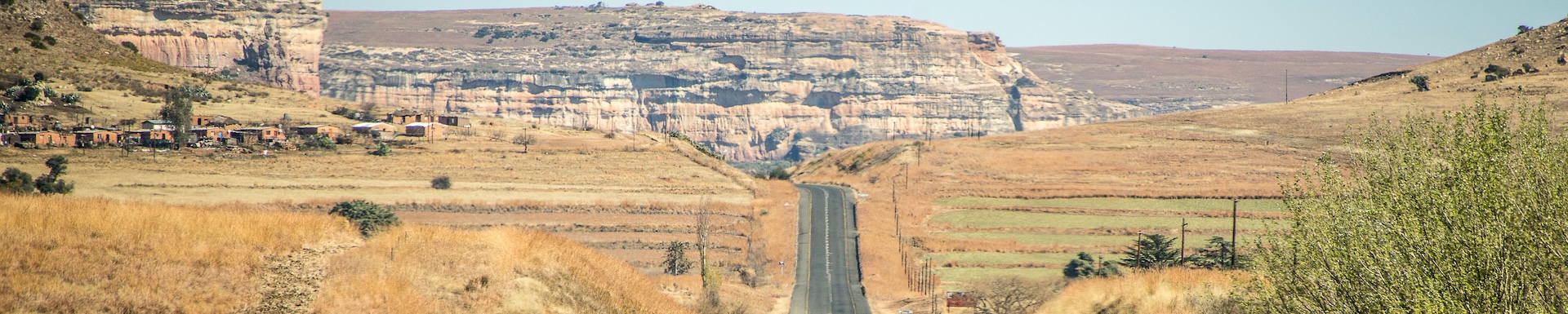
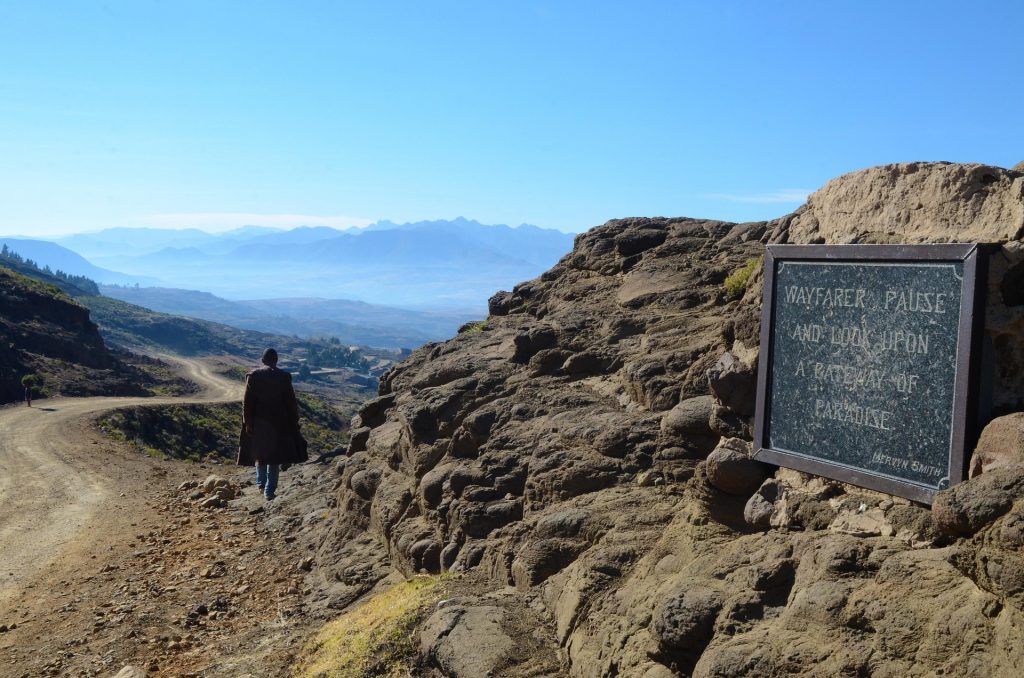
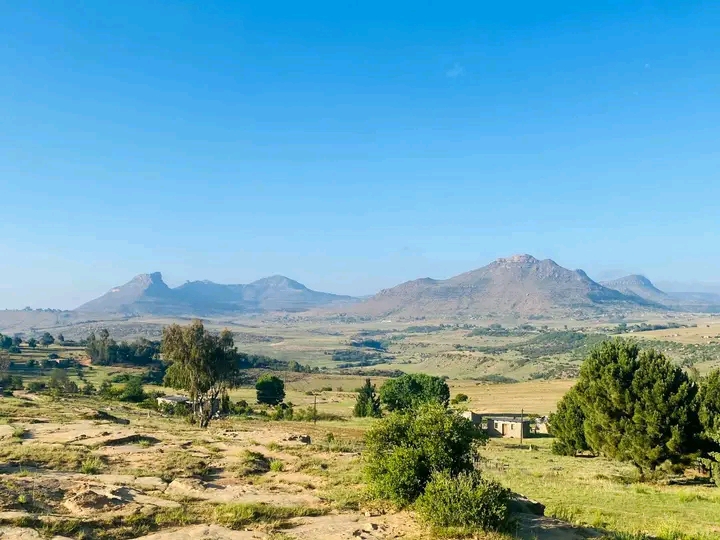
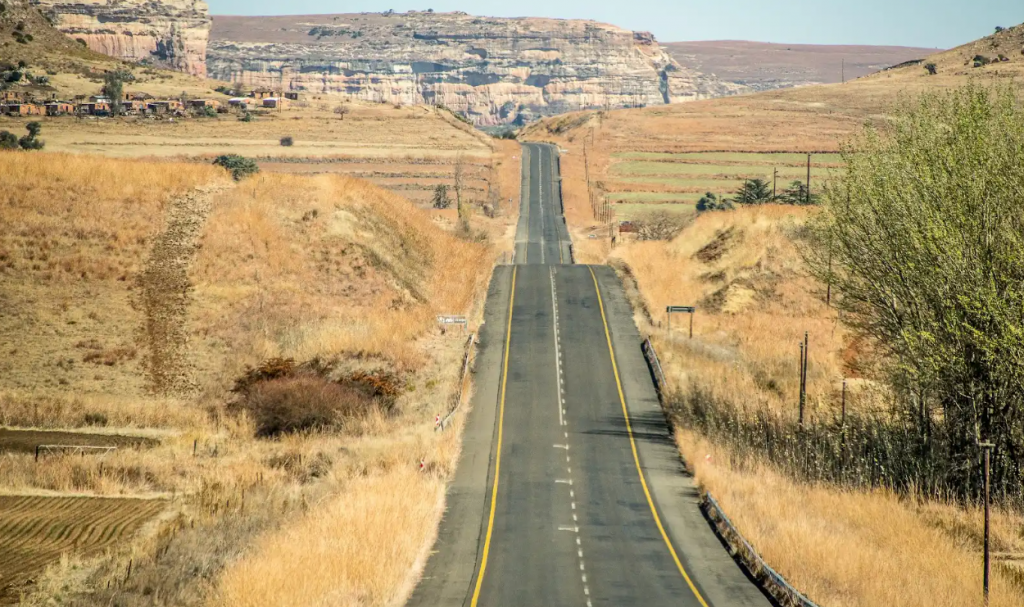
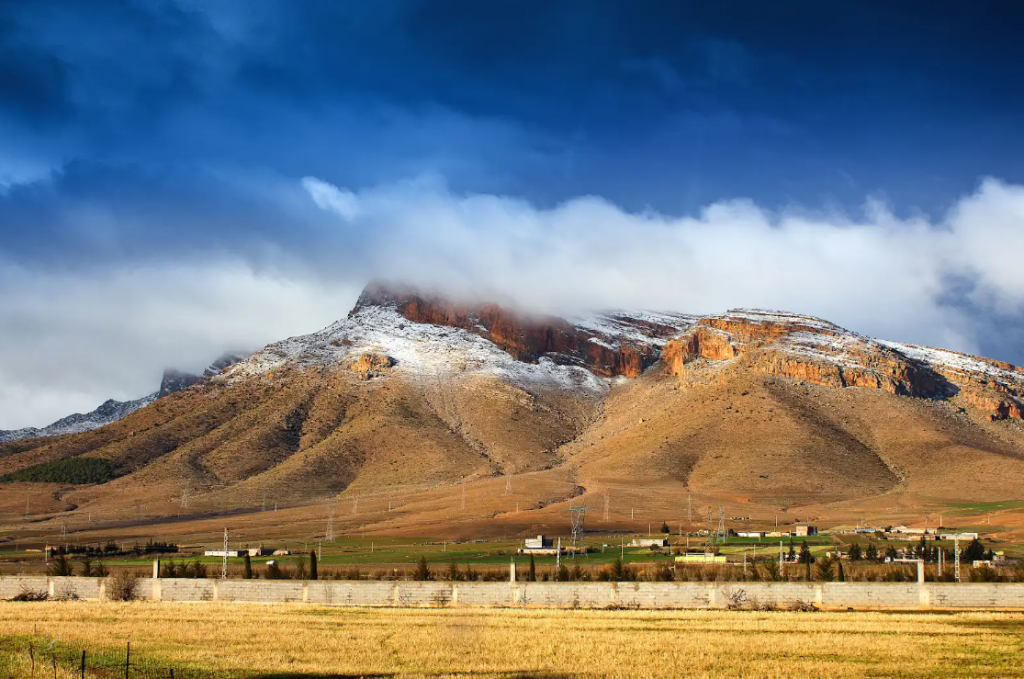
Surrounded by South Africa, Lesotho is one of Africa’s most unusual countries. Known as the Kingdom in the Sky, it is the only independent state in the world where the entire country sits above 1,000 metres in elevation. Mountain passes, remote villages, horseback trekking opportunities, and highland scenery make it feel very different from its larger neighbour.

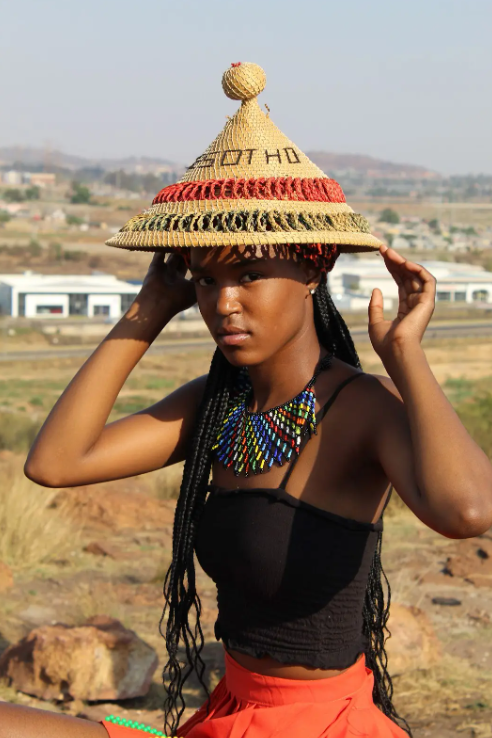
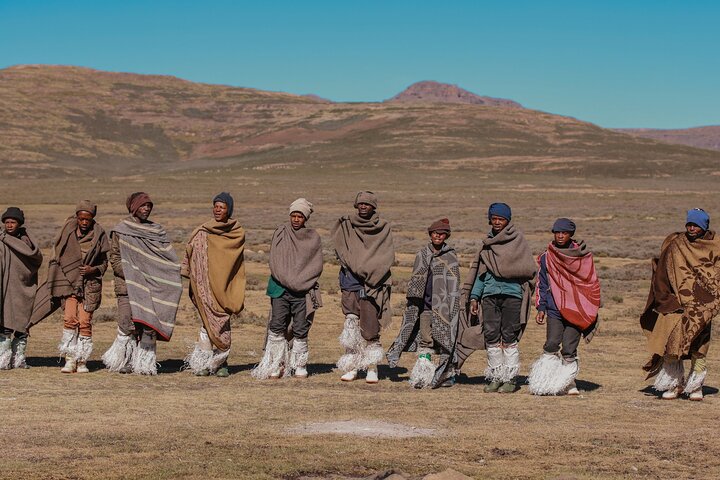
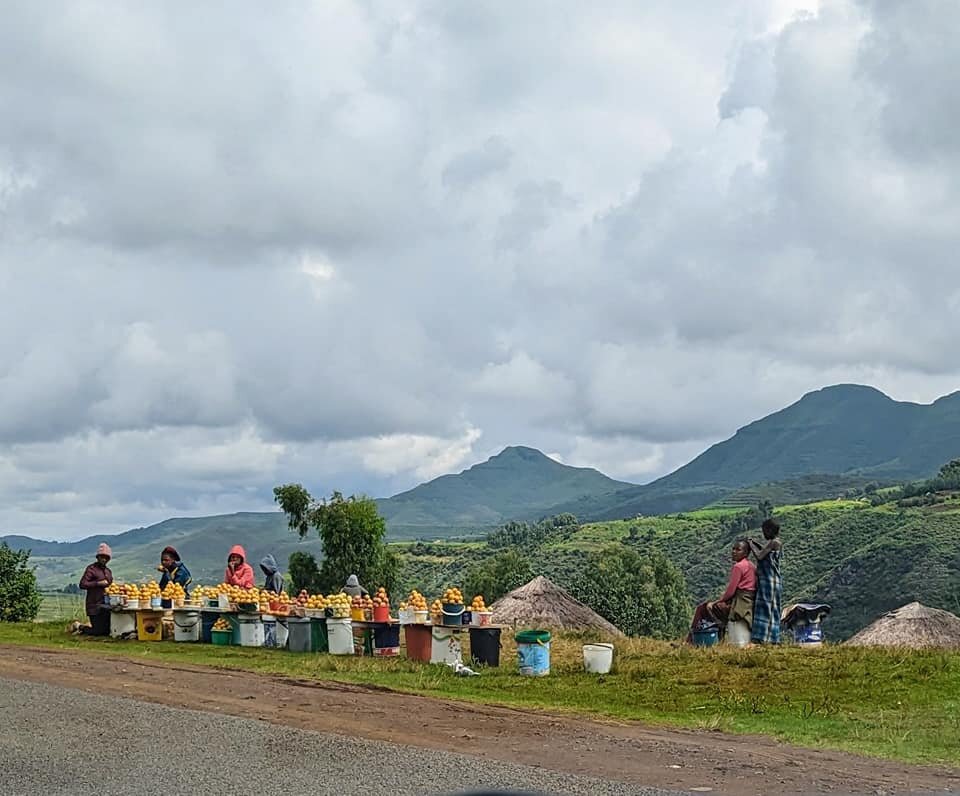
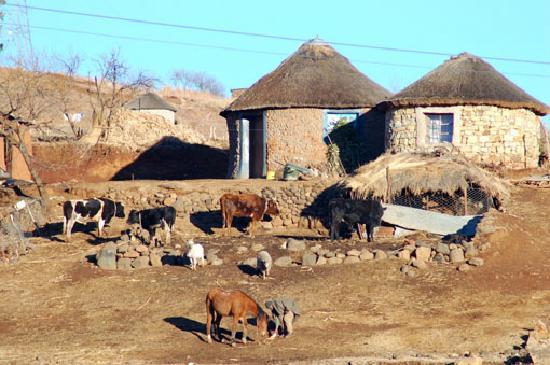
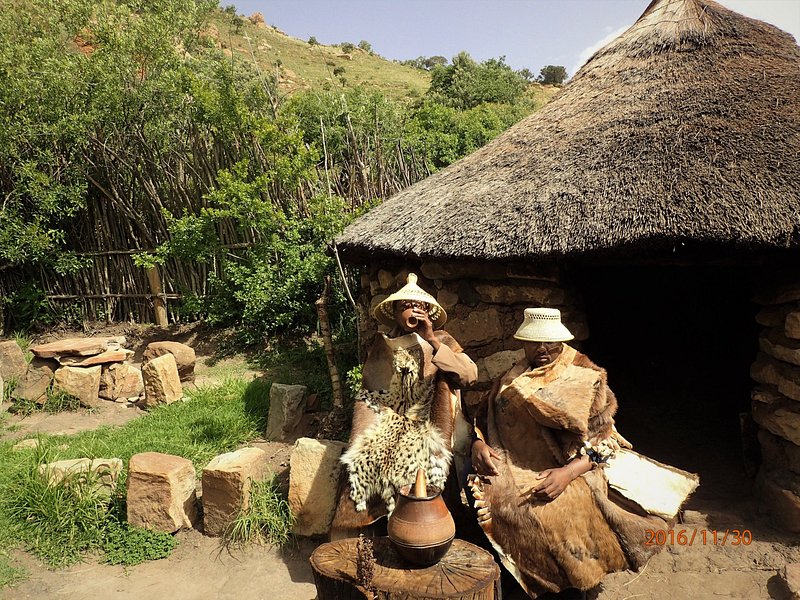
While most visitors to Southern Africa focus on South Africa or other more well-known destinations, Lesotho rewards those willing to venture off the usual route. Traditional Basotho culture remains strong, shepherds in distinctive blankets still watch over flocks in the mountains, and many villages remain connected by dirt tracks rather than paved roads.

Because of its location, Lesotho is a natural fit alongside South Africa, Eswatini, and even Mozambique. It works well as part of a broader Southern Africa adventure, but it is also the kind of place that rewards travellers who come specifically for it rather than simply passing through.

Group Tours To Lesotho

Currently we’re offering the following group tours to Lesotho for 2026 and 2027. We’re planning on adding more tours – keep watching this page and our social media to get all the news.

No results found.

Independent Tours
To Lesotho

We understand that it’s not always feasible to join our scheduled group tours. We can thus offer bespoke tours to Lesotho and arrange everything you require for an independent tour.

Example Lesotho Tour Itinerary

Day 1 – Johannesburg, South Africa

  • Arrival at your convenience into Johannesburg, South Africa’s largest city and the gateway to Southern Africa. Johannesburg has regular connections to major international hubs, including London, Dubai, Addis Ababa, Singapore, and New York.
  • Meet your driver at the airport and transfer to your hotel.
  • The rest of the day is free to relax or explore the local area.
  • Dinner at a traditional South African restaurant. Expect hearty portions, grilled meats, boerewors sausage, and a good introduction to South African food.
  • Overnight in Johannesburg.

Day 2 – Johannesburg – Maseru, Lesotho

Morning

  • Breakfast at the hotel before departing Johannesburg and beginning the 5–6 hour drive towards Lesotho.
  • Following border formalities, enter the Kingdom in the Sky and continue to Maseru, the capital and largest city in the country.

Afternoon

  • Lunch in Maseru before exploring the city.
  • Visit the central market where vendors sell everything from fresh produce and traditional medicines to the famous Basotho blankets that have become a symbol of the nation.
  • We’ll also visit the Moshoeshoe I Statue and gain an introduction to the founder of the Basotho nation, whose legacy remains central to the country’s identity today.
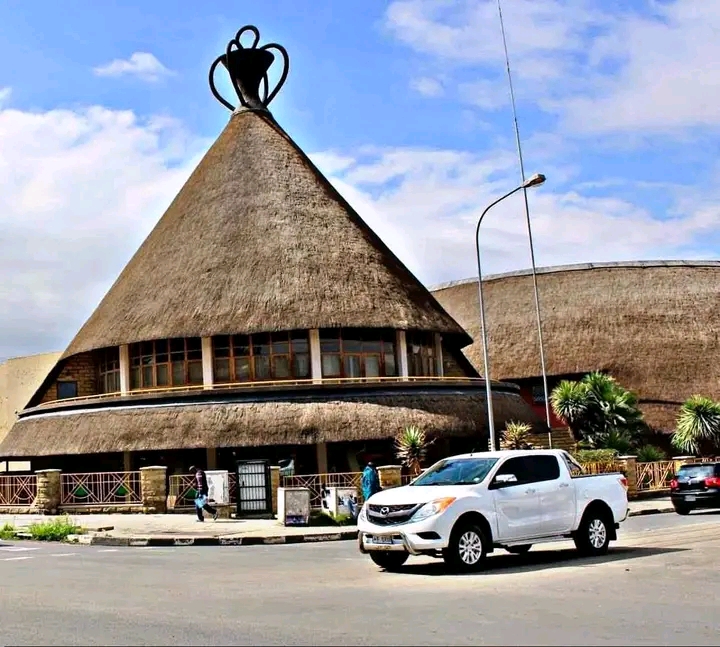
  • Continue through the city centre and visit the area around the Royal Palace and Parliament buildings, providing an insight into the modern monarchy and political system of one of Africa’s few remaining kingdoms.
  • Dinner at a local restaurant serving Basotho staples such as papa, moroho, and slow-cooked beef or lamb stews.
  • Overnight in Maseru.

Day 3 – Maseru – Thaba-Bosiu – Semonkong

Morning

  • Breakfast at the hotel before making the short 30-minute drive to Thaba-Bosiu, the mountain fortress of King Moshoeshoe I and one of the most important historical sites in the country.
  • Explore the plateau, visit the royal cemetery and learn about the history of the Basotho nation. It was from here that Moshoeshoe united the Basotho people and laid the foundations for the modern kingdom.

Afternoon

  • Lunch near Thaba-Bosiu before continuing by road towards Semonkong. The roughly 3-hour journey climbs through mountain valleys and small villages.
  • Arrive in Semonkong, known as the “Place of Smoke” because of the mist rising from nearby waterfalls.
  • Check into your lodge before enjoying dinner overlooking the mountains and settling in for the evening.
  • Overnight in Semonkong.

Day 4 – Semonkong 

Morning

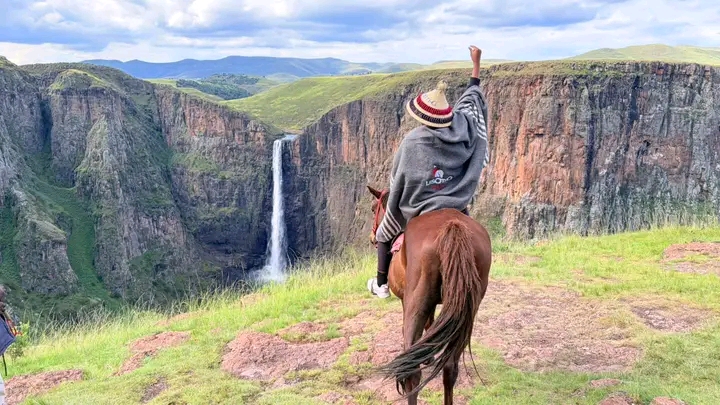
  • Breakfast at the lodge before visiting Maletsunyane Falls, where the Maletsunyane River plunges nearly 200 metres into a dramatic gorge below. The falls are among the highest single-drop waterfalls in Africa and one of the defining landmarks of the mountain kingdom.
  • Explore the viewpoints surrounding the falls and take in the scale of the landscape. This is also one of the best photography opportunities of the trip.
  • We’ll also learn about some of the local legends associated with the falls and the communities that have lived in the area.

Afternoon

  • Lunch in Semonkong before spending the afternoon exploring the surrounding highlands.
  • A horseback trek through the mountains can be arranged, providing a traditional way to experience the highlands. Horses remain an important form of transport throughout rural areas and are still used daily by many local communities.
  • We’ll also explore nearby villages and gain an insight into Basotho culture and life away from the country’s main towns. Opportunities to interact with locals are a natural part of travelling through this part of the highlands.
  • Dinner is a great opportunity to try locally farmed trout, one of the region’s best-known specialities.
  • Overnight in Semonkong.

Day 5 – Semonkong  – Mokhotlong

Morning

  • Breakfast before leaving Semonkong and continuing deeper into the country.
  • Today’s route is one of the highlights of the trip, with around 6–7 hours of driving through high mountain passes and remote communities.

Afternoon

  • Lunch en route before stopping at Katse Dam, the centrepiece of the Lesotho Highlands Water Project.
  • We’ll have a look around Katse Dam, surrounded by steep mountains. The vast reservoir stretches deep into the interior, creating impressive views across the landscape.
  • We’ll also learn how the Lesotho Highlands Water Project transformed parts of the country. Built to supply water to neighbouring South Africa while generating revenue for the kingdom, it remains one of the largest engineering undertakings in the region.
  • Continue onwards to Mokhotlong, a town that serves as a gateway to the eastern highlands.
  • Check into your hotel and enjoy some time to relax, take a stroll through town or simply take in the atmosphere of the eastern highlands before dinner.
  • Overnight in Mokhotlong.

Day 6 – Mokhotlong and the Highlands

Morning

  • Breakfast at the hotel before heading out to explore the area surrounding Mokhotlong.
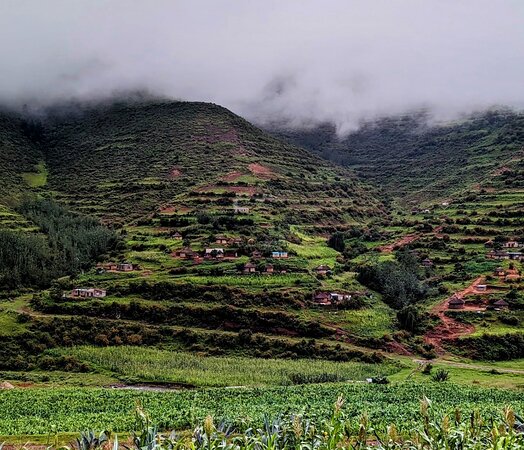
  • We’ll travel through the surrounding highlands, where villages cling to hillsides and daily life is shaped by altitude, weather and the vast distances between communities.
  • We’ll explore local villages and gain a better understanding of life in one of Africa’s highest and most sparsely populated countries.

Afternoon

  • Lunch in a local town before continuing through the surrounding countryside.
  • Along the way you’ll encounter horse riders using mountain trails instead of roads, communities perched on hillsides and sweeping views across the highlands.
  • Back in Mokhotlong, explore the local market and spend some time observing everyday life in this remote community.
  • You might be interested to stop for a drink and try joala, the traditional sorghum beer enjoyed throughout the country.
  • Dinner at a local restaurant before returning to the hotel.
  • Overnight in Mokhotlong.

Day 7 – Mokhotlong – Sani Pass – Durban

Morning

  • Breakfast at the hotel before departing Mokhotlong and making the 2–3 hour journey towards Sani Pass, one of Africa’s most famous mountain roads.
  • The route passes through some of the highest mountain country in Southern Africa before reaching the top of Sani Pass.
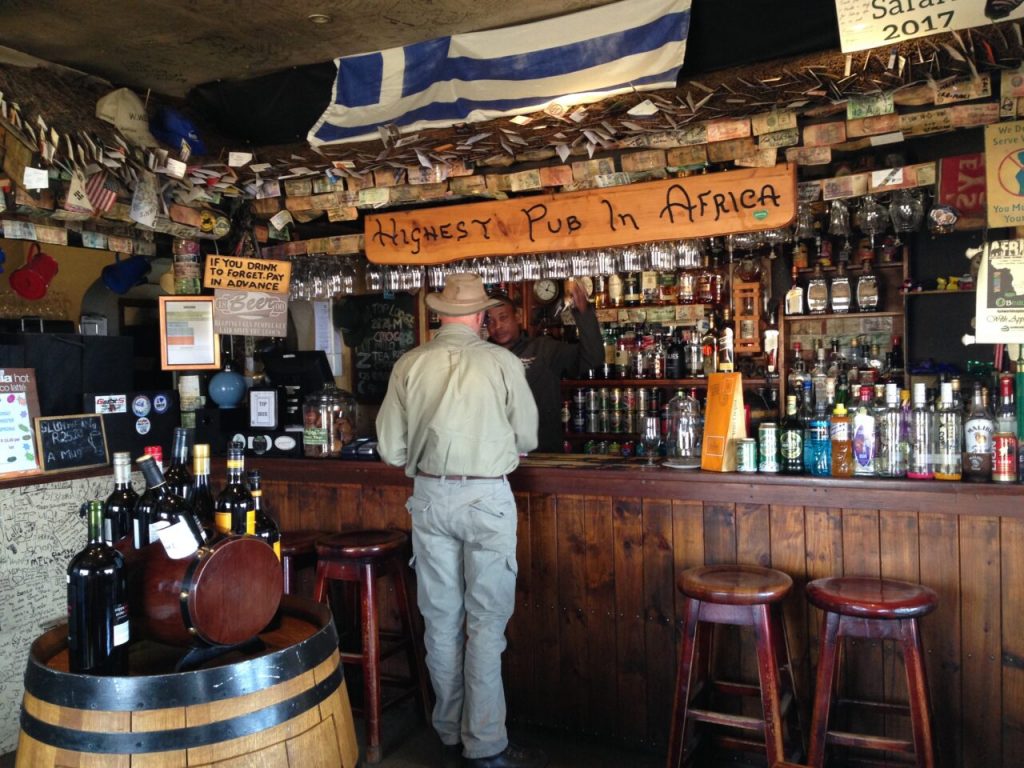
  • Lunch at Sani Mountain Lodge, home to what is often claimed to be Africa’s highest pub.

Afternoon

  • Complete border formalities and cross into South Africa before descending the dramatic switchbacks of Sani Pass, the principal route linking the highlands with South Africa.
  • Continue through the foothills of the Drakensberg Mountains and onwards to Durban, arriving approximately 3 hours later.
  • If time allows before your departure, enjoy a farewell dinner featuring Durban’s famous Indian influences, including the chance to try local curries or the city’s iconic bunny chow.
  • Transfer to King Shaka International Airport according to your onward flight schedule. The airport has regular connections to major hubs including Johannesburg, Doha, Dubai and Addis Ababa, providing onward connections throughout Africa and beyond.
  • Alternatively, you can have an additional night in Durban and get more time to explore the city. YPT can arrange additional nights and onward travel throughout Southern Africa upon request.

Bespoke Tours to Lesotho

Our bespoke Lesotho tours are created to your desire and specification, therefore not all our tours are listed. Here are some examples of independent tours to Lesotho that we can offer. Get in touch if you want something specific.

Dinosaur Tracks Lesotho Tour

Long before the Kingdom of Lesotho existed, dinosaurs roamed these mountains and left their footprints behind. This tour visits some of the country’s most famous dinosaur track sites, combining prehistoric history with spectacular highland scenery and travel through remote parts of the Mountain Kingdom.

Horse Trekking Lesotho Tour

Horses remain an important means of transport in many parts of Lesotho. We can arrange pony trekking adventures through remote mountain communities, providing access to areas that are difficult to reach by vehicle.

Sani Pass Adventure Lesotho Tour

One of Africa’s most famous mountain roads, Sani Pass climbs from South Africa into the highlands of Lesotho through a series of steep switchbacks and spectacular viewpoints. This tour can be combined with hiking, horseback riding, cultural visits and overnight stays in the mountains.

Sky Kingdom Road Trip

Travel across Lesotho by road, exploring mountain passes, remote settlements, dams, viewpoints and provincial towns. This tour focuses on the journey itself and is perfect for travellers who enjoy overland adventure.
Filming in Lesotho

Lesotho’s mountains, villages, shepherds, horses and dramatic landscapes make it one of the most photogenic countries in Africa. Through our media arm Pioneer Media, YPT can arrange filming and production support in Lesotho, including access, logistics, and local coordination for documentaries and travel content. Contact us for more details.

Frequently ask Questions about travel to Lesotho

  • What is the best time to visit Lesotho?

    Lesotho can be visited throughout the year, with each season offering something different. Summer from October to April brings green valleys, flowing rivers and warmer temperatures, while winter from May to September offers crisp mountain air, clear skies and occasional snowfall in the higher elevations.

  • Do I need a visa to visit Lesotho?

    Visa requirements vary depending on nationality. Many travellers can enter Lesotho visa free for short stays, while others may require a visa before arrival. As entry requirements can change, travellers should always check the latest regulations before departure. Official information can be found through here: http://www.homeaffairs.gov.ls/do-i-need-a-visa/

  • Is Lesotho safe for tourists?

    Lesotho is generally considered a safe and welcoming destination. Visitors are often surprised by the friendliness of the Basotho people and the relaxed atmosphere found throughout much of the country. As with any destination, normal precautions are recommended, particularly in larger towns and after dark.

  • What language is spoken in Lesotho?

    Lesotho has two official languages, Sesotho and English. English is widely used in schools, government and tourism, while Sesotho is spoken throughout the country and forms an important part of Basotho identity and culture.

  • What currency is used in Lesotho?

    The official currency is the Lesotho Loti (LSL), which is fixed at the same value as the South African Rand (ZAR). South African Rand is accepted throughout the country and is often used interchangeably with local currency.

  • How easy is it to travel around Lesotho?

    Lesotho’s dramatic landscape is one of its greatest attractions, but it can also make travel an adventure. While major towns are connected by paved roads, many mountain communities are reached via winding passes, gravel roads and remote tracks. In some areas, horses remain an important means of transport.

  • What vaccinations or health precautions are recommended?

    Routine vaccinations such as tetanus, hepatitis A and typhoid are commonly recommended. Travellers should consult current health advice before departure and ensure they have suitable insurance if planning hiking, horse riding or other outdoor activities.

  • What food is Lesotho known for?

    Traditional Basotho cuisine is based around locally produced ingredients including maize, sorghum, vegetables and meat. Popular dishes include papa, a maize porridge often served with stews, along with moroho, a leafy green vegetable commonly found throughout the country.

  • Can you drink alcohol in Lesotho?

    Yes, alcohol is legal and widely available throughout Lesotho. Visitors will find local beers, South African wines and spirits in restaurants, lodges and bars across the country.

  • Is Lesotho safe for LGBTQ+ travellers?

    Lesotho is generally regarded as one of the more progressive countries in the region regarding LGBTQ+ rights. Social attitudes can vary, particularly in rural areas, and visitors are encouraged to remain respectful of local customs and cultural norms.

Submit your booking details

Fill out the form below, and we will be in touch shortly.

Got a questions? Let us know

Fill out the form below, and we will be in touch shortly.