China – Tibet Tours and Travel

YPT Tours To China - Tibet

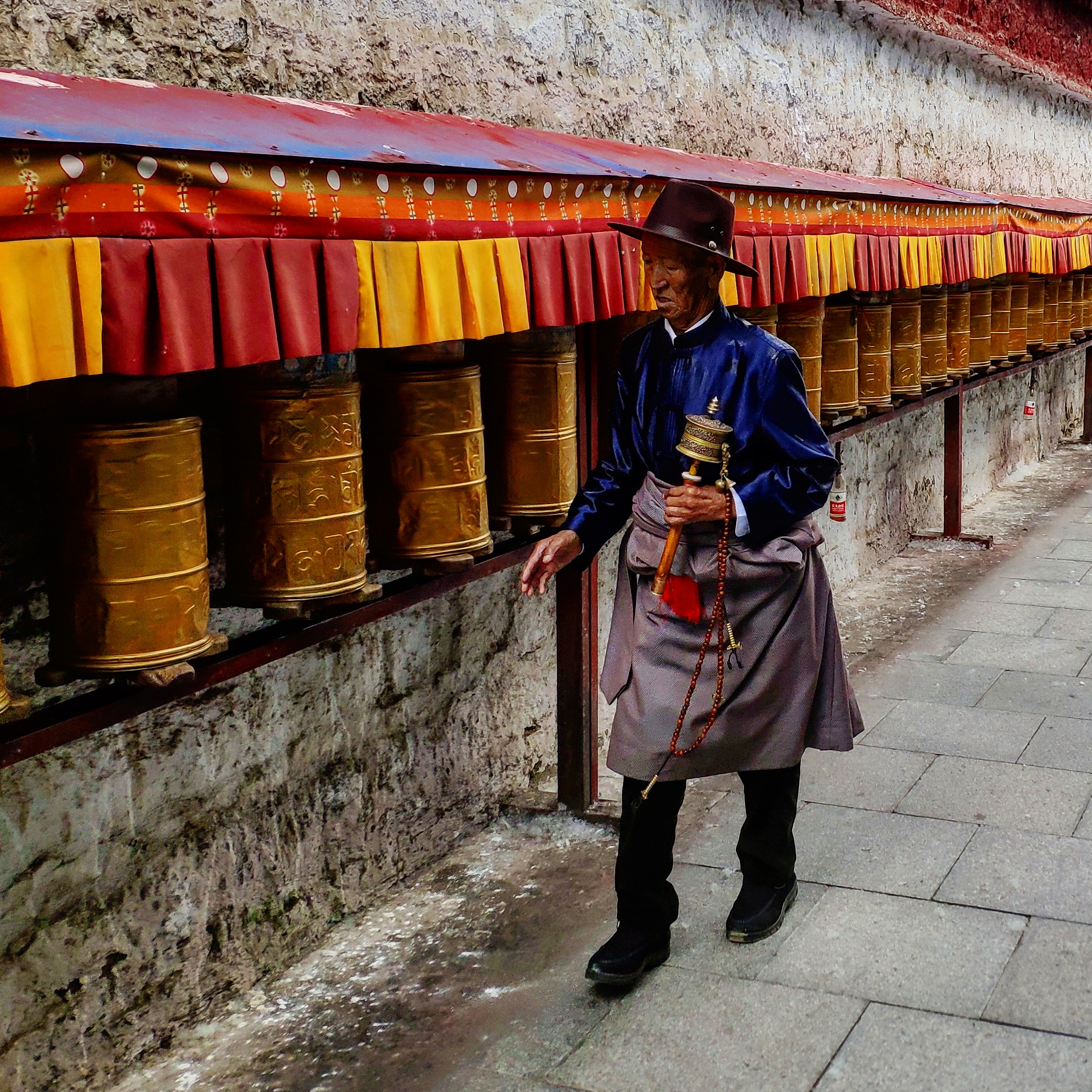
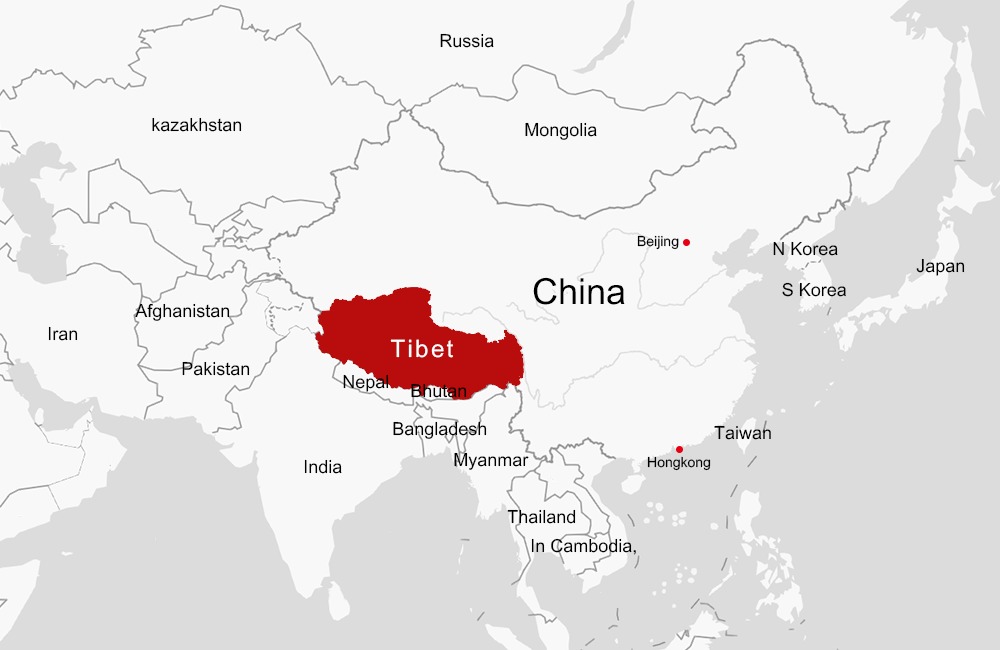
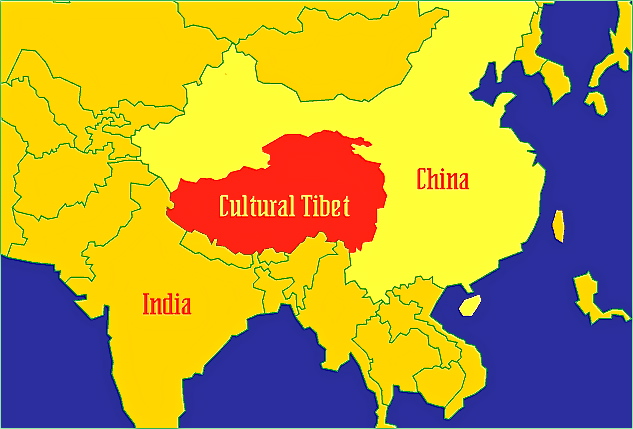
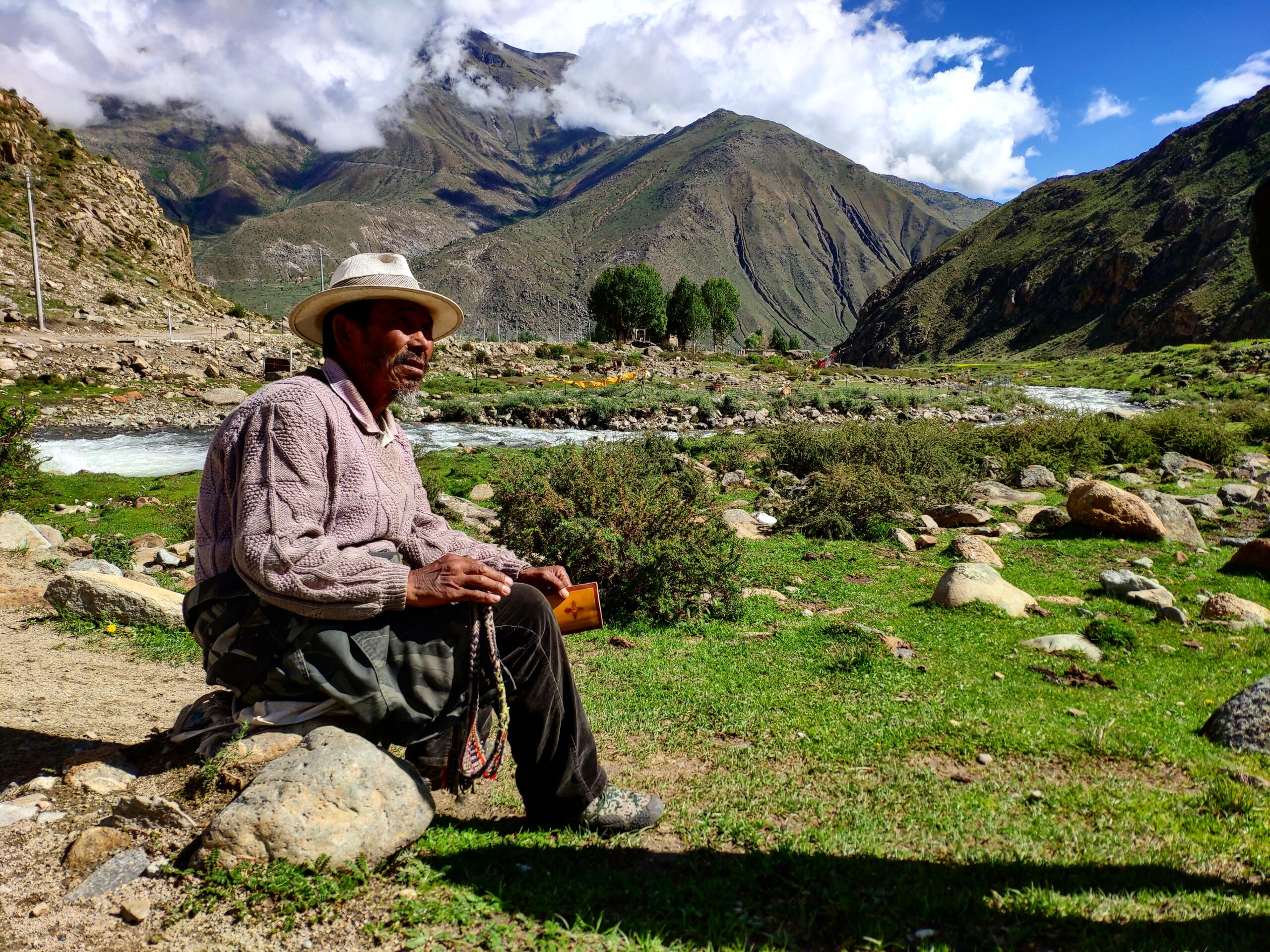
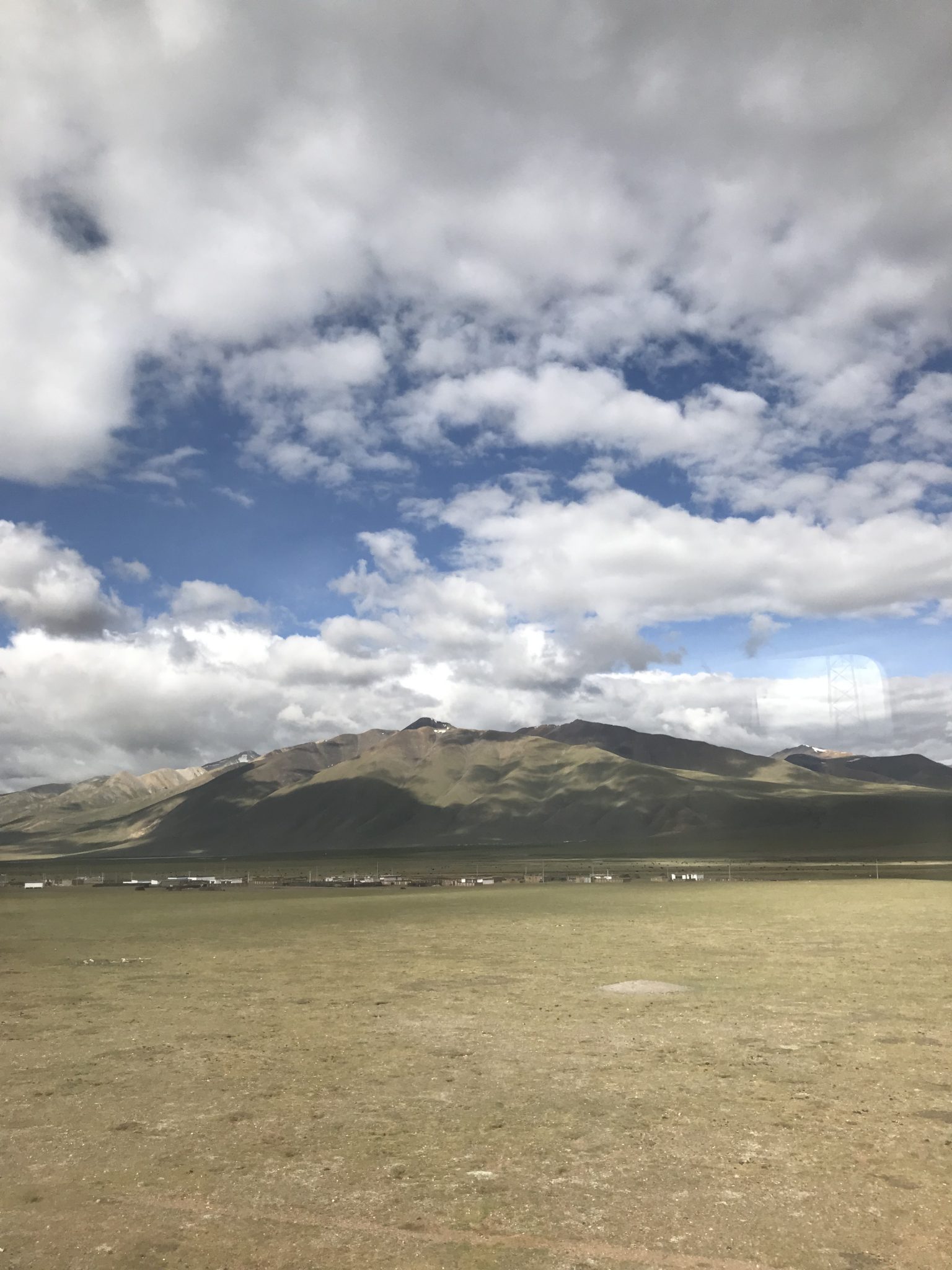
Embark on a journey you won’t forget with our Tibet tours, to a place often referred to as the “Roof of the World,” where majestic mountains, ancient traditions, and spiritual enlightenment await. Immerse yourself in the spiritual essence of Buddhism through monk chants and prayers wheels, all while experiencing the charm of rural Tibetan villages.

While Tibet was historically isolated, the 20th century brought external influences and social challenges to this pristine land. With improved transportation, Tibet’s once-closed doors opened to the world, ushering in a new era of connectivity and complexity.

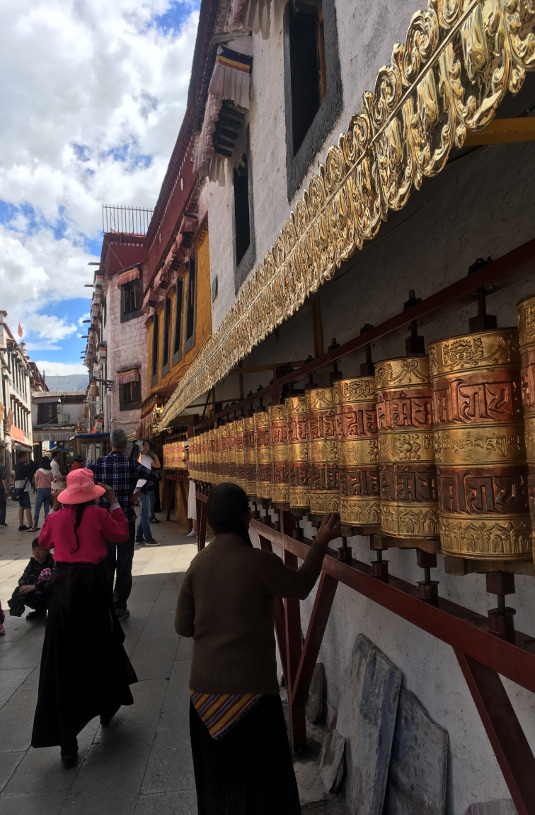
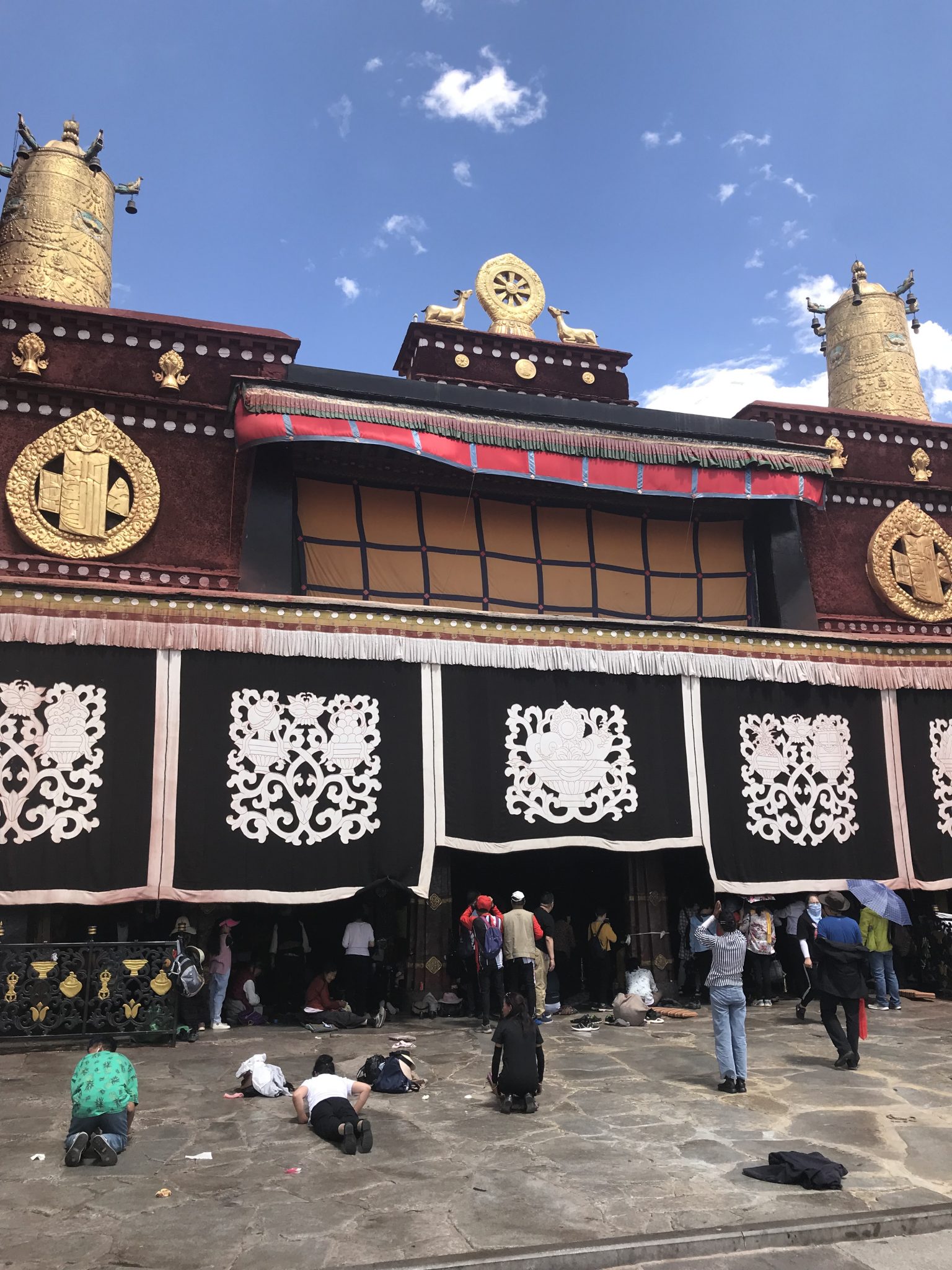
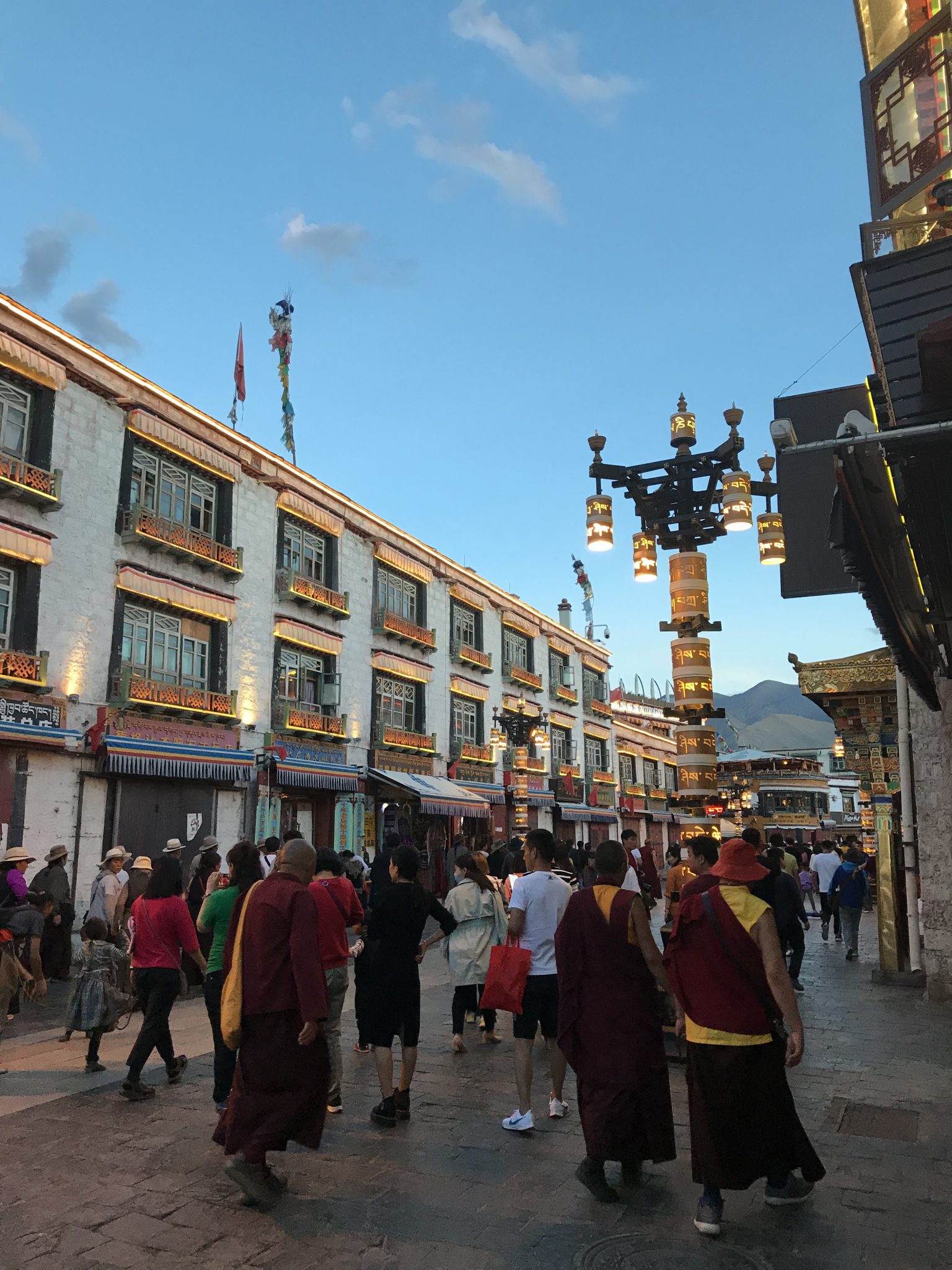
As you wander down Barkhor Street in Lhasa, you’ll witness devout Tibetan Buddhist believers clad in simple garments, bowing in worship every few steps on their pilgrimage from distant homes. This profound display of faith speaks volumes about the spiritual devotion of the locals.

For those seeking adventure, we can also organize Mt. Everest Base Camp tours, as this is one of our favourite places in Tibet. Along the way, we will encounter natural marvels, towering peaks and magnificent glaciers, and experience the unique culture of the region.

Group Tours To China - Tibet

YPT are happy to announce that we have brought back our Tibet all time favourite tour.

No results found.

Independent Tours
To China - Tibet

Since 2009, YPT has been offering Tibet travel packages with the intention of exploring not only the well-known attractions but also uncovering some of the lesser-known tourist sites of the country. As we reopen our Tibet tours, we are excited to announce that we can arrange a variety of independent tours across Tibet with bilingual guides and transportation.

Additionally, we offer our bespoke whole Tibet tours, tailored to provide a comprehensive exploration of the region, which you can check out further below.

Example China - Tibet Tour Itinerary

The following is an example of one of our Tibet tour programs, and can be adapted, or combined with other places to suit your needs.

Day 1 – Lhasa

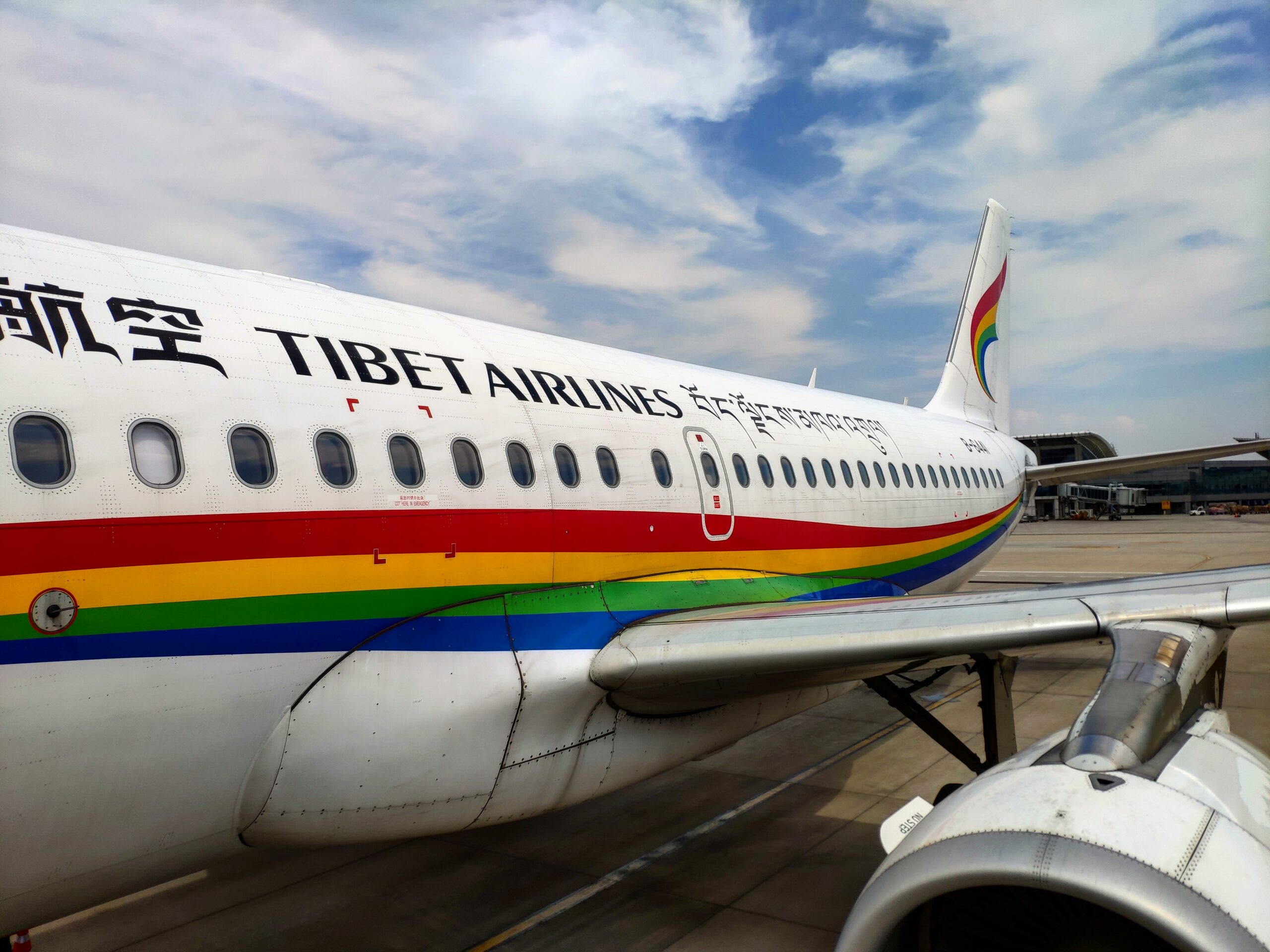
  • Fly from Xi’an Airport by the check-in counter for our Lhasa bound flight on Tibetan Airlines.
  • Arrive into Lhasa – the largest city of the region and receive a traditional Hada welcoming ceremony from our local Tibetan guide.
  • Drive and check-in to our hotel located in the heart of old town of Lhasa city – Benak Shol Hotel.
  • Enjoy a leisurely afternoon to acclimatise to Lhasa’s stunning altitude of 3,800 meters. Explore the enchanting old town on foot, where ancient streets are lined with charming markets displaying Tibetan culture. This free time invites you to slowly arrive and enjoy the charm and beauty of Lhasa.
  • Group regathers for our first feast in Lhasa and get your first taste of Tibetan Yak, the most common meat in these parts.
  • Overnight in Lhasa at Benak Shol Hotel.

Day 2 – Lhasa 

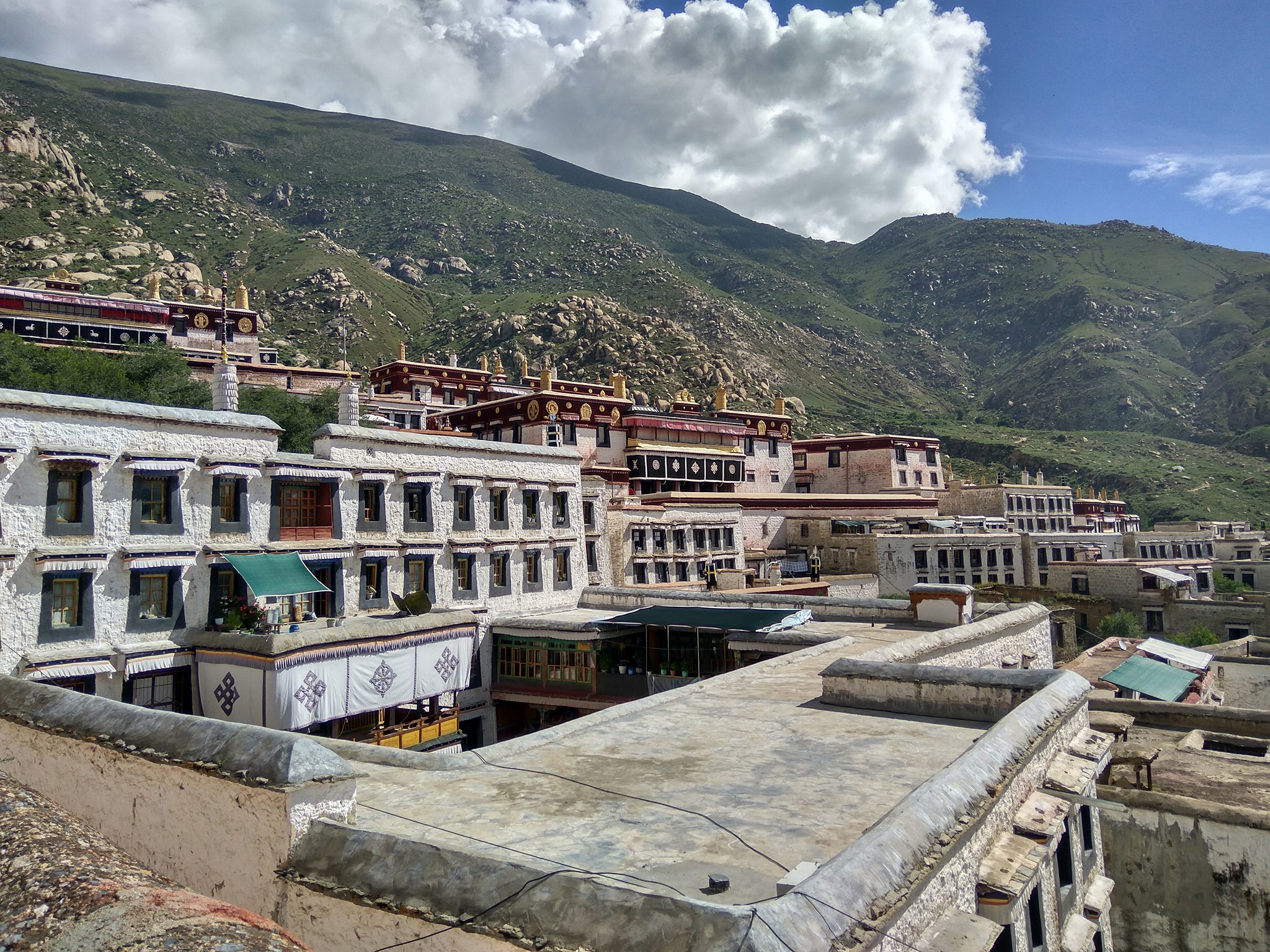
  • Discover Drepung Monastery, the largest in Tibet, established in 1416 and once the home to up to 10,000 monks. Nestled at the base of a mountain, this stunning monastery offers breath-taking views of West Lhasa, creating a serene backdrop for your exploration.
  • We’ll have lunch nearby at a local restaurant.
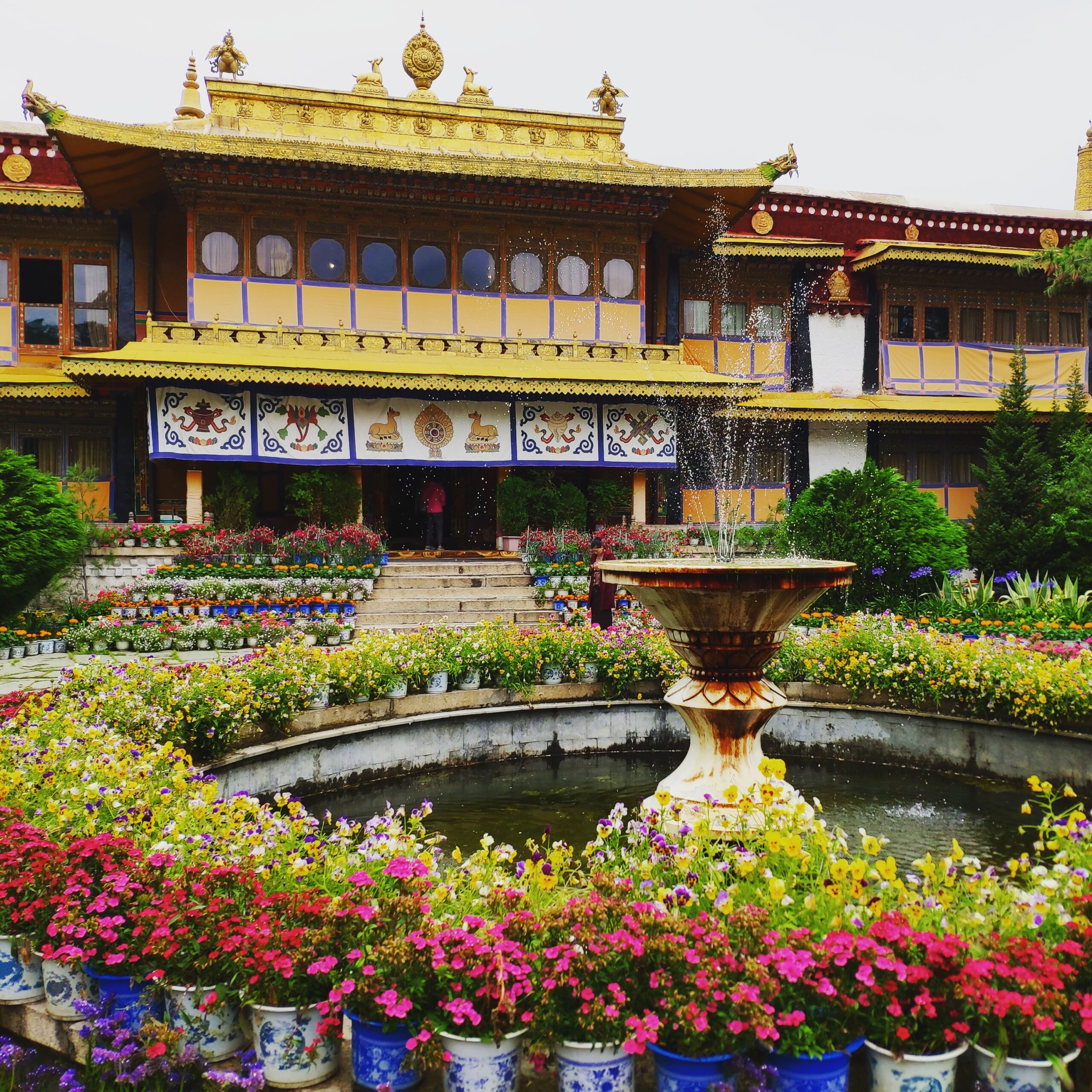
  • Explore Norbulingka, also known as the Summer Palace of Dalai Lamas – serving as a traditional summer residence of the former Dalai Lamas from the 1780s and onwards.
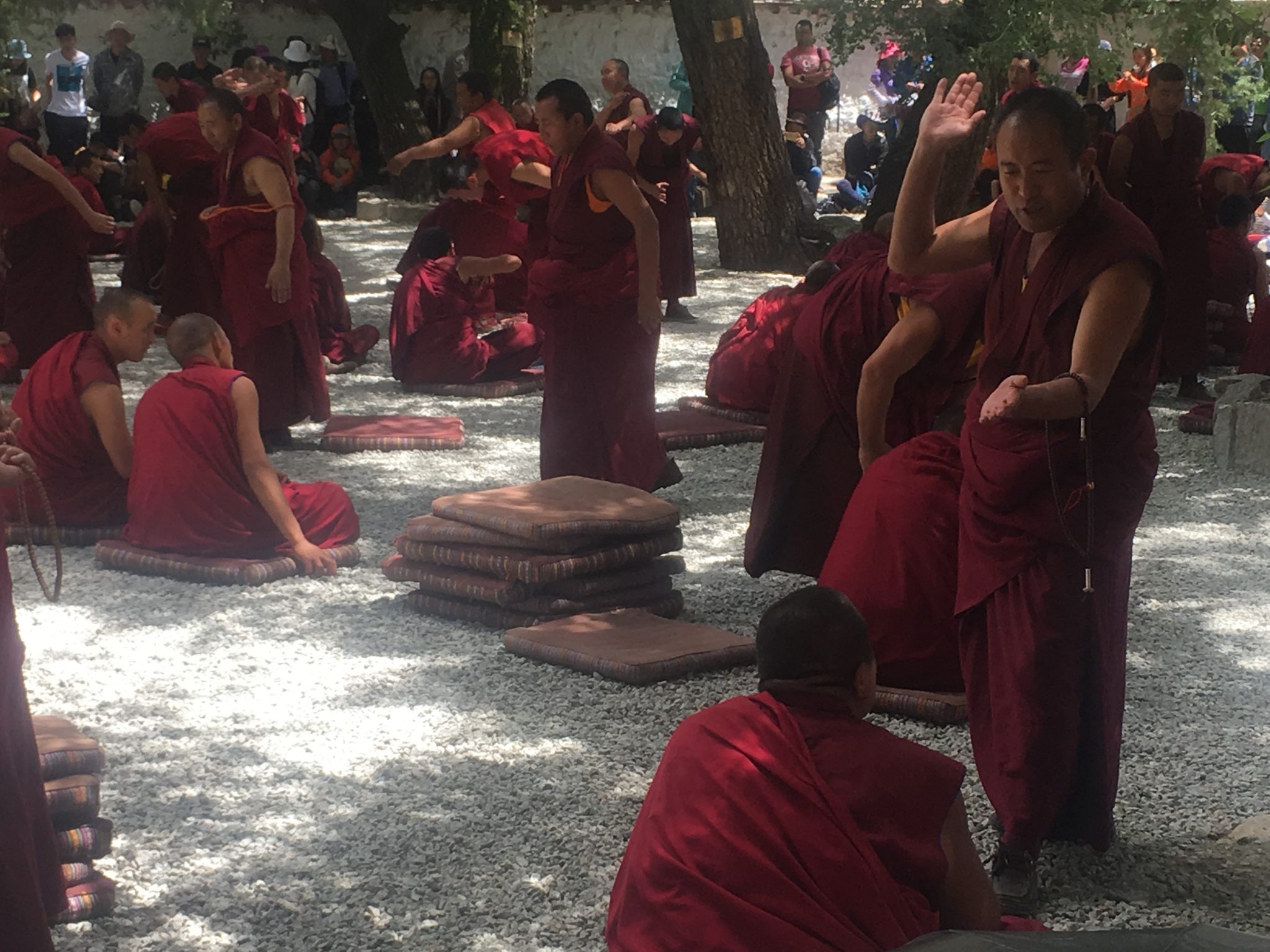
  • Visit Sera Monastery – here we’ll watch student monks partake in public debates within the courtyard of the monastery where one monk stands making clapping actions asking questions and the other sits and answers.
  • Dinner at a local Tibetan restaurant.
  • Overnight in Lhasa at Benak Shol Hotel.

Day 3 – Lhasa

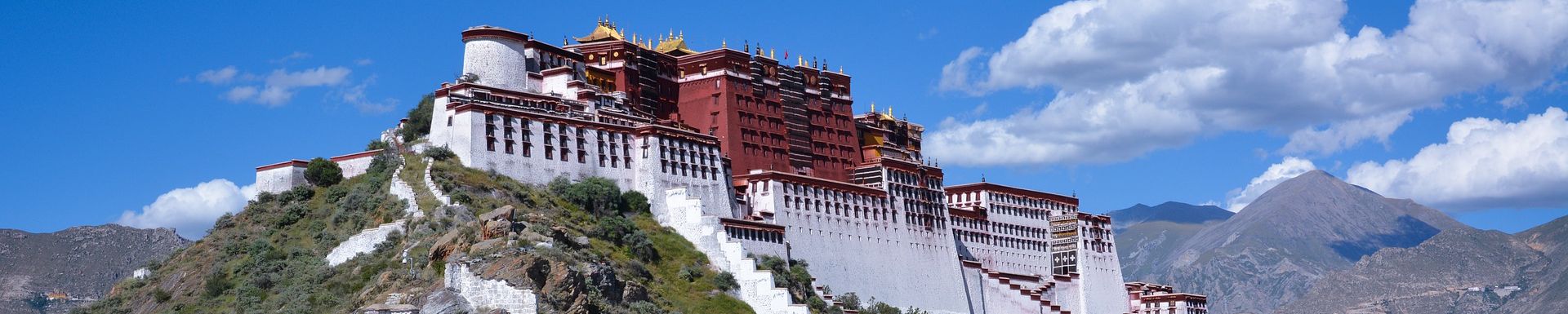
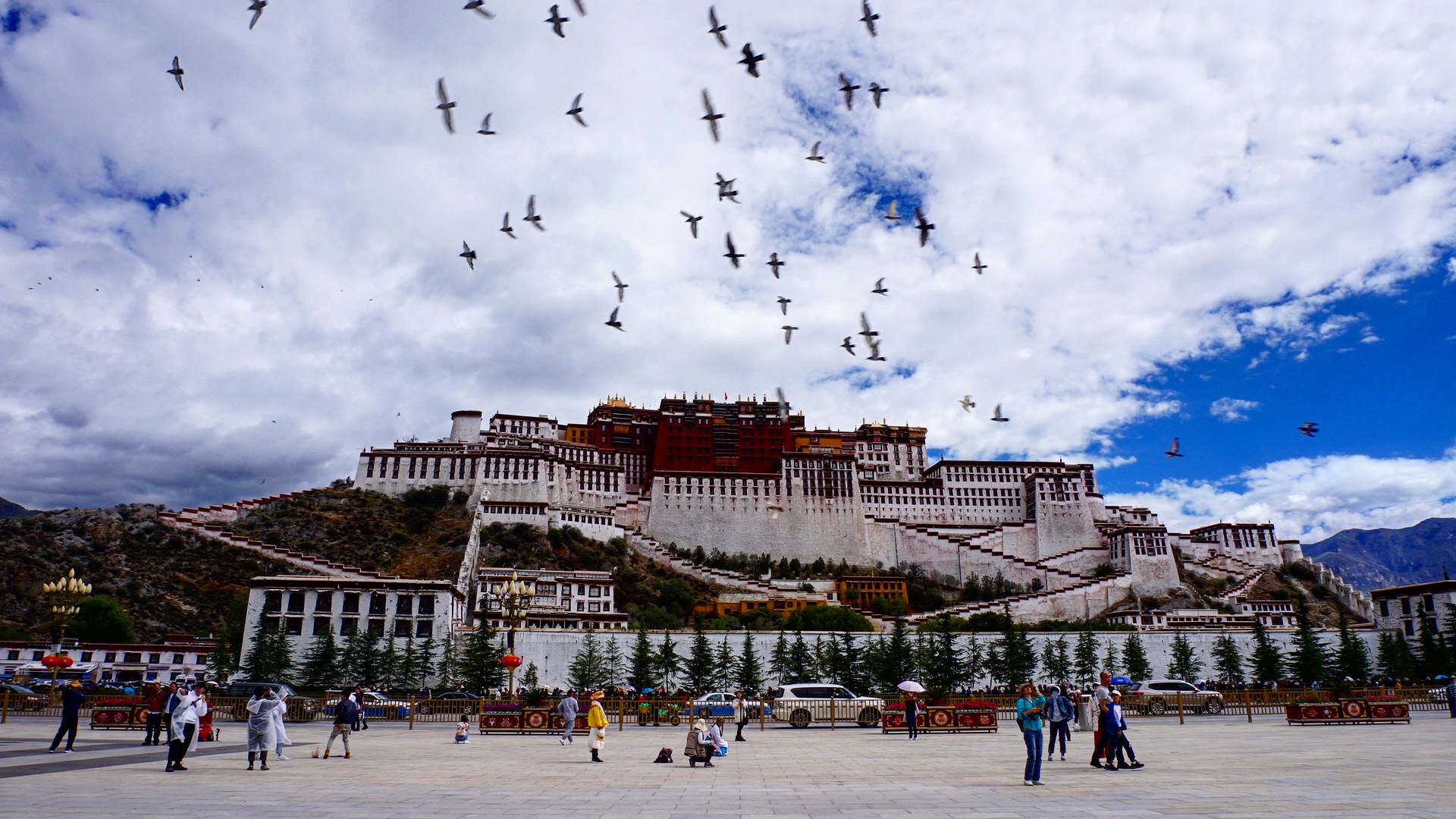
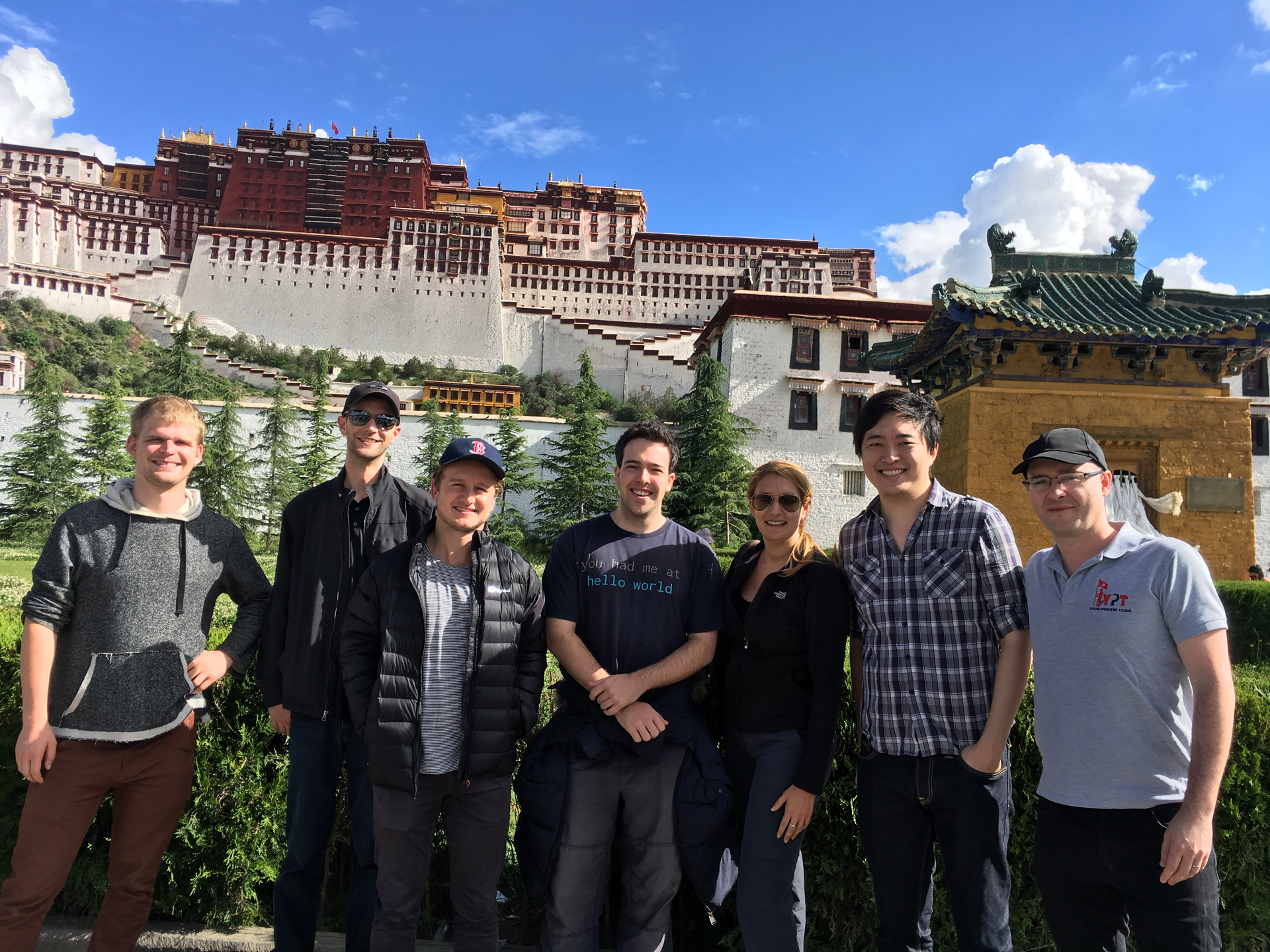
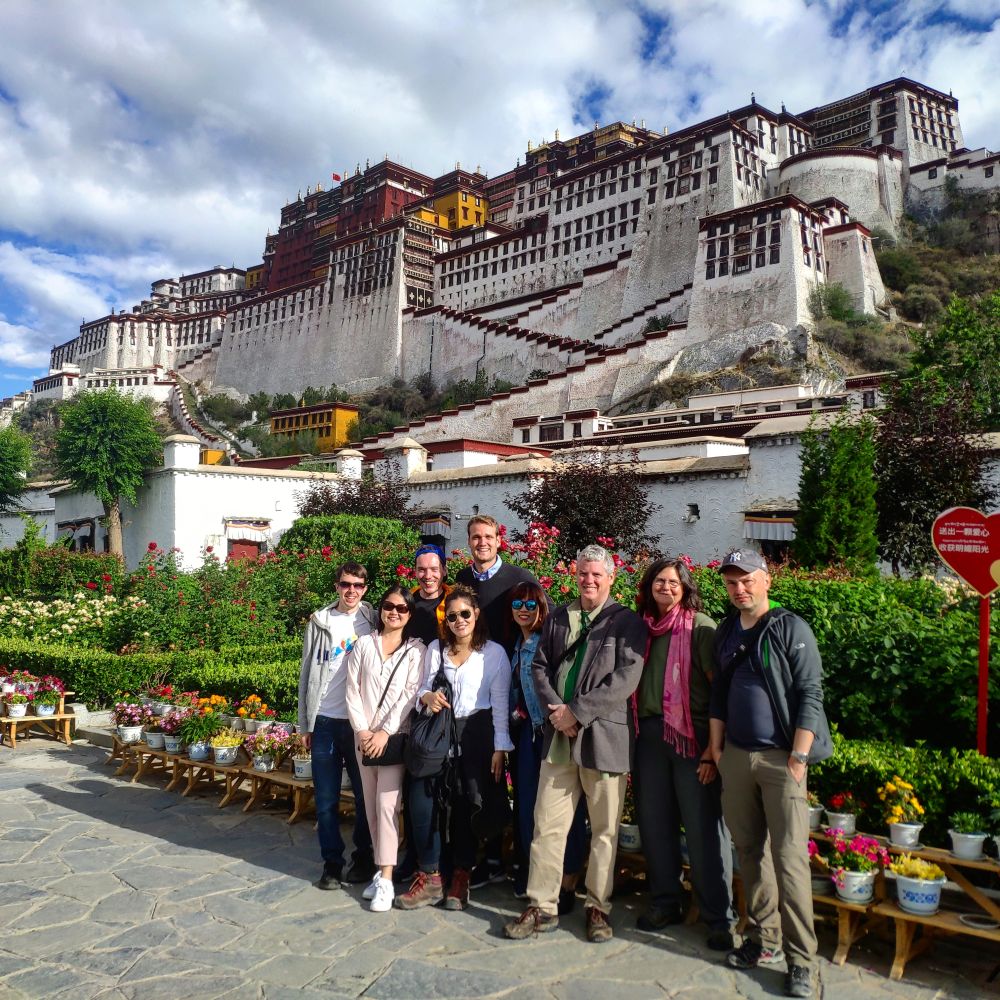
  • Discover the iconic Potala Palace, once home to the 14th Dalai Lama and the seat of Tibetan governance for centuries. As you climb to the top, explore sacred prayer rooms and the grand golden tombs of previous Dalai Lamas. The breath-taking panoramic views from the summit will leave you in awe, making this a must-see landmark rich in history and spirituality.
  • We’ll make our way all the way down joining the pilgrims on the Pilgrim Path to the viewing platform of the Potala Palace from the famous view that’s also seen on the Chinese 50RMB note.
  • Walk to the Square of the Peaceful Liberation of Tibet and explore Liberation Square located in front of the palace. The square is a popular gathering place, often hosting cultural events and celebrations with huge portraits of the leaders of the CPC.
  • Local lunch of Tibetan noodles, discover the difference between it and the Chinese noodles.
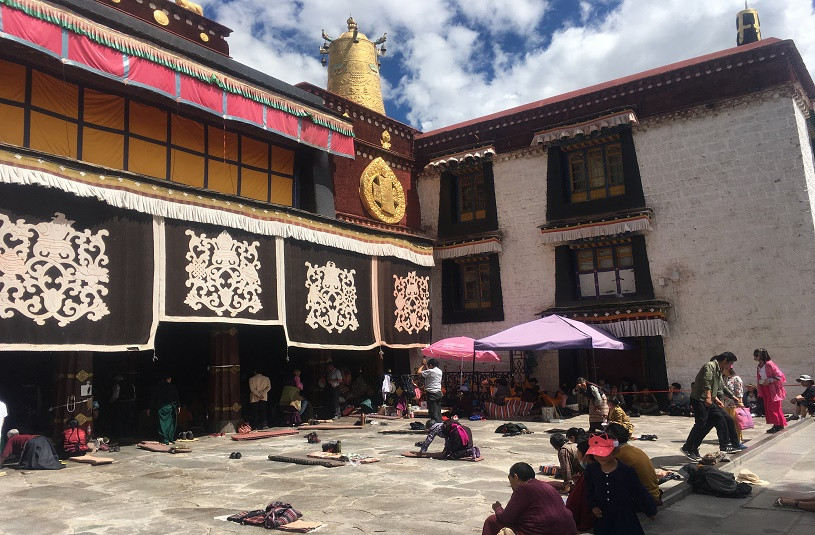
  • Visit Jokhang Temple – this temple is actually considered the most important of Lhasa’s temples by Tibetans and was built for the Nepalese Princess of the Tibetan King Songtsen Gampo.
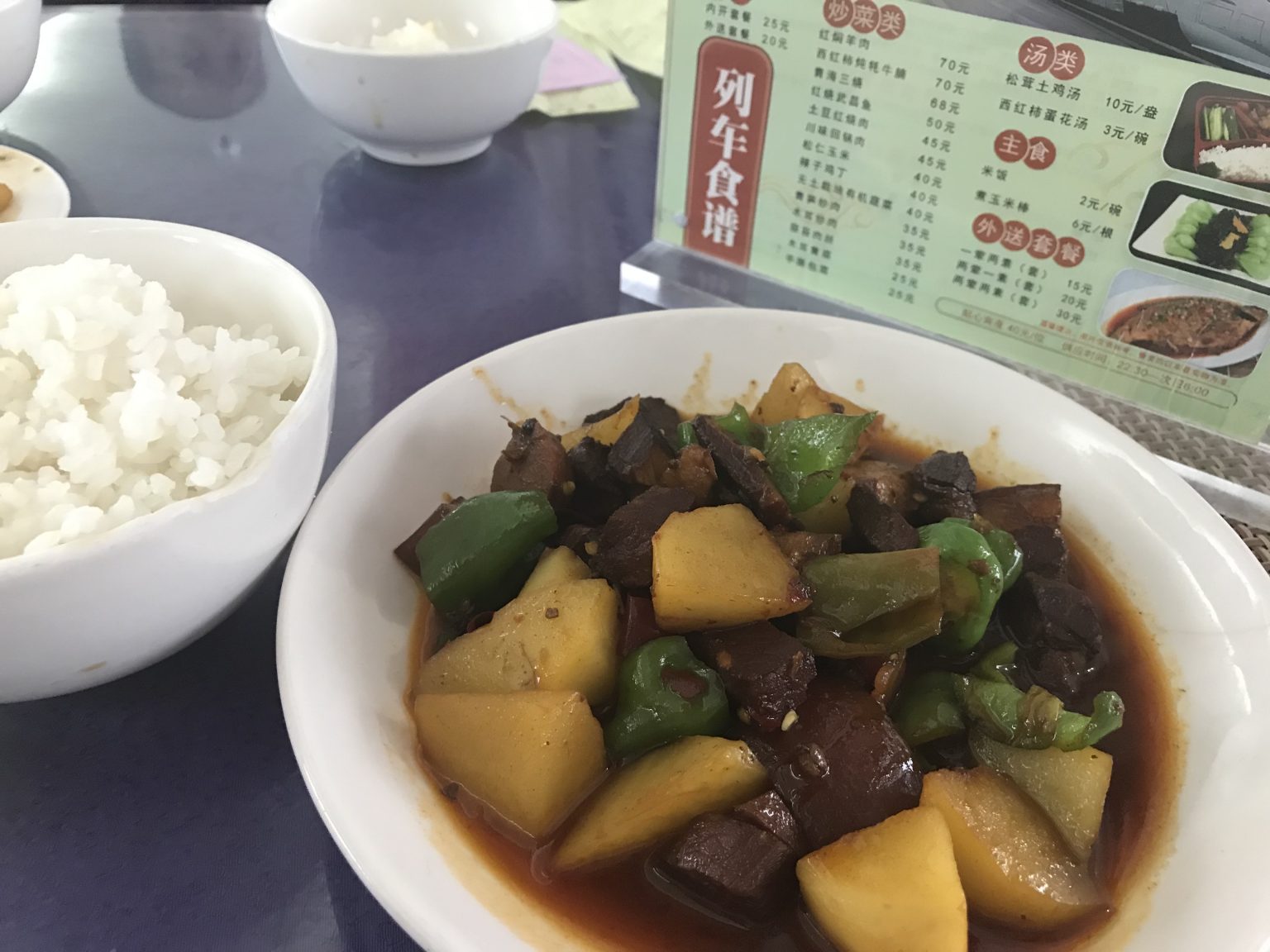
  • Group regathers for joint dinner – Meat dishes are likely to be yak, goat, or mutton, often dried, or cooked into a spicy stew with potatoes.
  • Overnight in Lhasa at Benak Shol Hotel.

Day 4 – Lhasa – Namtso Lake – Lhasa

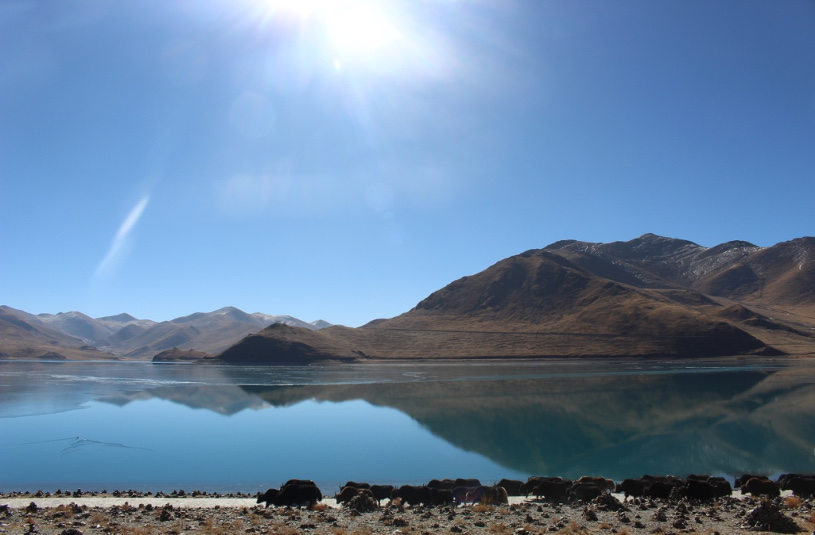
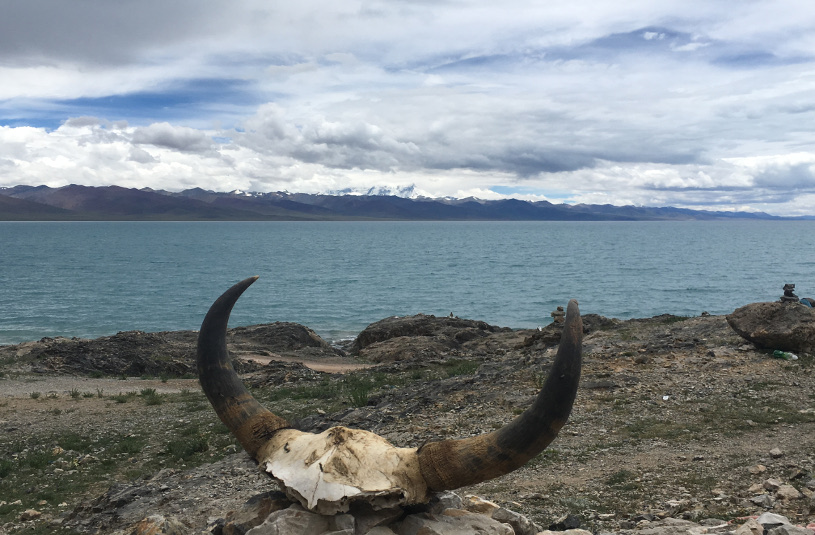
  • Wake up early and begin our four-hour drive to Namtso Lake – the highest and largest lake in Tibet at 4718m. Drive by stunning plateau scenery and pass the Lhakenla viewpoint that tops 5190m, incredible for photo opportunities.
  • Once arriving at Namtso Lake you can make your way down to the water for reflective views and have a further understanding why this lake is known as ‘Heavenly Lake’ to the locals.
  • Arrive back in Lhasa for dinner
  • Overnight in Lhasa at Benak Shol Hotel.

Day 5 – Namba Tibetan Village – Lhasa

  • After breakfast, we’ll head to the Tibet Museum, an enormous and exceptionally well-curated museum where we’ll spend the morning exploring its extensive exhibits. During our guided visit, we’ll focus on the exhibitions covering the serfdom system in pre-1950 Tibet and learn more about Tibet’s history from the perspective presented by the museum.
  • Visit a local Tibetan family and enjoy a hearty, home cooked traditional Tibetan meal prepared by our hosts. This is a fantastic opportunity to experience Tibetan hospitality and gain a glimpse into everyday local life.
  • We’ll also have the opportunity to chat with our hosts about their lives in modern Tibet, learn about their traditions and daily routines, and take a stroll through the village for a glimpse into contemporary Tibetan life.
  • We’ll also have the opportunity to chat with our hosts about their lives in modern Tibet, learn about their traditions and daily routines, and take a stroll through the village for a glimpse into contemporary Tibetan life.
  • Drive to the Yerpa Monastery – one of Tibet’s four great meditation retreats, with a history of over 1300 years. As the Tibetan saying goes, “A visit to Lhasa without Yerpa is like making a new robe without a collar.” Famous for its ancient meditation caves once used by renowned Buddhist masters, it offers a peaceful atmosphere and panoramic valley views.
  • We’ll then return to the city for dinner before heading out to explore the city’s lively Tibetan bar scene, a great opportunity to experience the local nightlife alongside Tibetans and your fellow group members.
  • Overnight in Lhasa at Benak Shol Hotel.

Day 6 – Lhasa – Shigatse 

  • Early wake up and check out of the hotel. The majority of today will be spent on the road as we will make our way to Shigatse city located halfway between Lhasa and Mt. Everest Base Camp. During our drive you’ll pass along the Yarlung Tsangpo River (Brahmaputra) – the longest river in Tibet stretching over 2800km long.
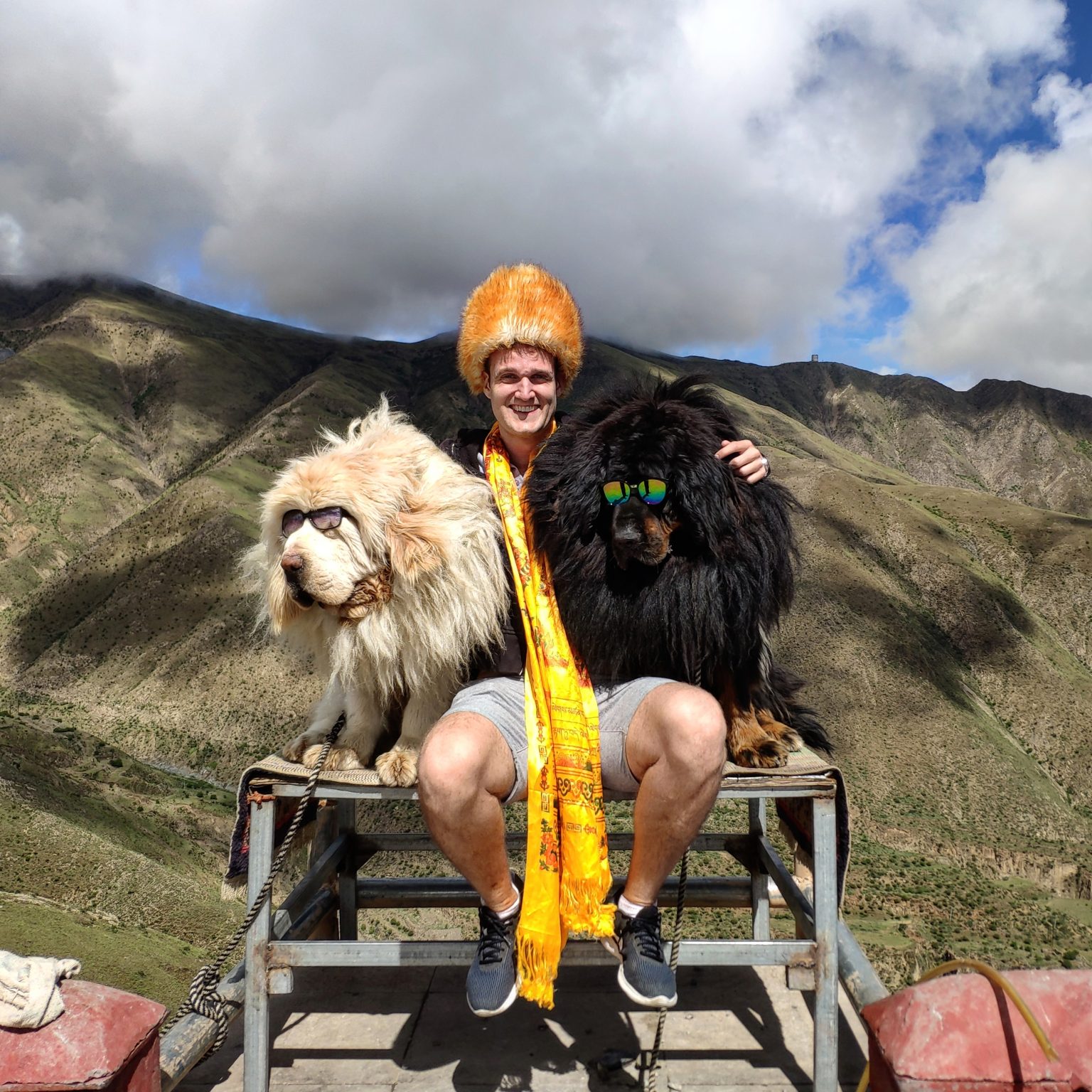
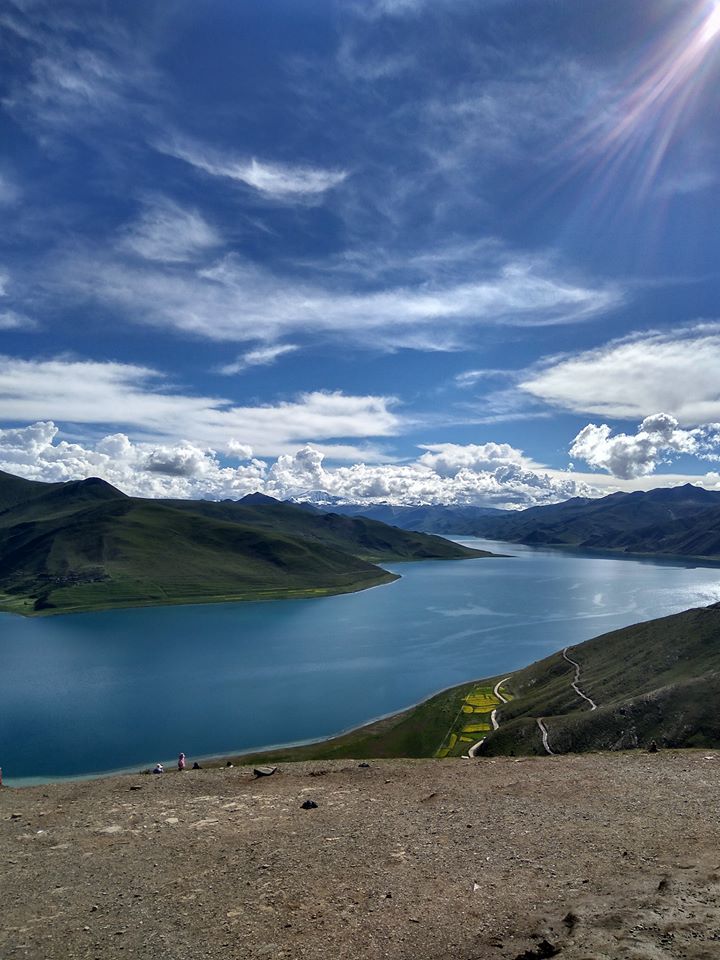
  • Continue making our way up to the top of a snow-capped mountain 5000m high with an unrealistic view of Yamdrok Lake from below – one of three sacred lakes in Tibet. Locals have their Tibetan Mastiffs on display for photos, the world’s most formidable dogs on display at the peak.
  • Lunch at Nagarzê County, the border town near Bhutan.
  • Ascend to the vantage point for stunning views of the Karola Glacier, perched at an impressive 5,560 meters. This extraordinary location offers a unique photography opportunity, capturing the glacier’s mesmerizing beauty and the surrounding alpine landscape. Prepare to be awed by nature’s grandeur!
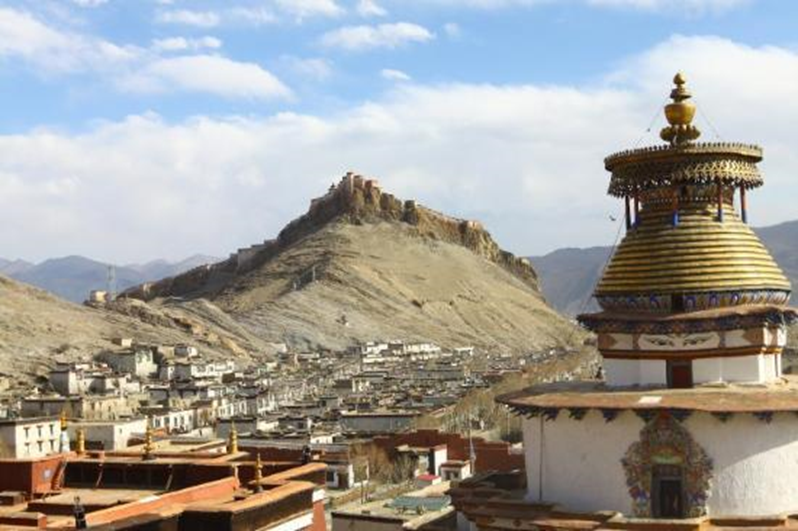
  • Head through Nyangchu Valley and briefly stop at Gyantse city – the third largest city in Tibet that holds Gyantse Dzong Fortress which comfortably sits overlooking the city. The fortress went through a few rough patches after being invaded by both the British and Chinese during the Cultural Revolution.
  • Explore Palcho Monastery – most famous for having a tower several floors high with 108 different chapels located inside, and survived the Cultural Revolution.
  • Arrive in Shigatse – the second largest city in Tibet with population of over 80,000.
  • Check-in to our Gesar Hotel and dinner at a nearby restaurant.
  • Overnight in Shigatse at Gesar Hotel.

Day 7 – Shigatse – Mt. Everest Base Camp

  • Wake up early and check out – we can leave larger luggage behind at the hotel to make our trek to Mt. Everest Base Camp a lot easier.
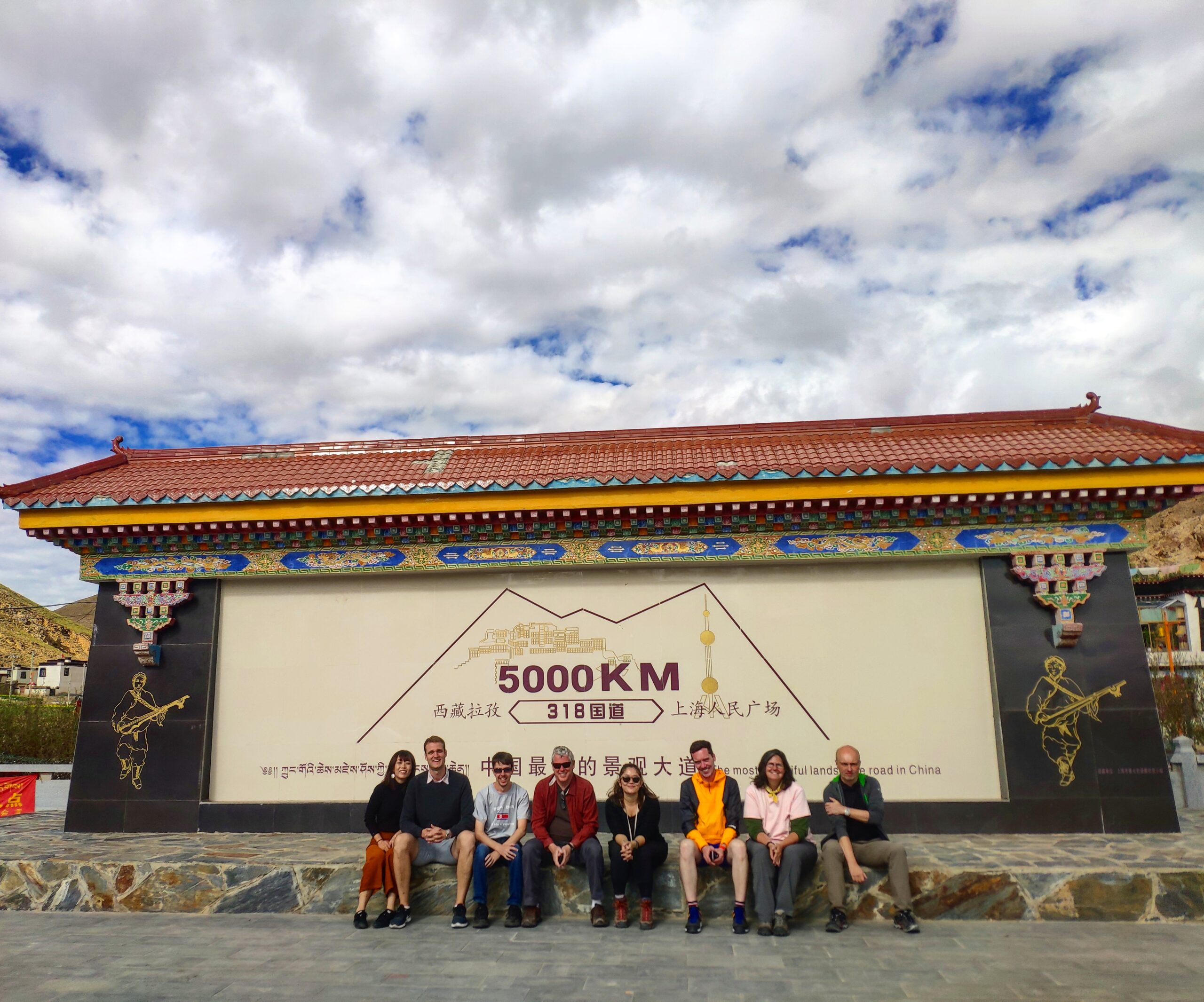
  • Embark on an exhilarating drive to Mt. Everest Base Camp along Highway 318, renowned as China’s longest highway. Pause for an iconic photo at the 5,000 km marker, celebrating your journey that stretches all the way from the bustling Shanghai People’s Square. This scenic route promises stunning vistas and a sense of adventure as you approach the majestic heights of Everest!
  • We’ll pass over another peak this time going as high as 5248m.
  • As we’re about to enter Mt. Everest Nature Reserve or Qomolongma as it is known to the locals as we’ll have lunch before swapping to an EV to take us 20km to Mt. Everest Base Camp.
  • Arrive at Mt. Everest Base Camp, where the all-overshadowing peak of Everest, towering at 8,848 meters, awaits you—weather permitting. Feel the thrill as you stand in the shadow of the highest mountain in the world, a truly unforgettable experience!
  • Visit the Rongbuk Monastery, the highest temple in the world, just inside the base camp.
  • Have the afternoon free to walk around the base camp for photos of this mighty mountain and to understand its significance for Tibetan spirituality as well as global mountaineering.
  • Dinner and overnight in EBC tented lodges.

Day 8 – Mt. Everest Base Camp – Shigatse

  • Set off early to drive down the mountain and head back to Shigatse.
  • On the way back stop for lunch.
  • Arrive at the 5,000-meter marker on Highway 318 in Lhatse, and arrive into Shigatse in the afternoon.
  • Exploring the largest monastery in western Tibet, the Tashilunpo Monastery. It is the palace of the Panchen Lamas and it is an extremely important site for Tibetan Buddhism as the temple is the seat of the current Panchen Lama and the tomb of the previous Panchen Lamas. Also, the monastery houses a giant statue of the Maitreya Buddha – the biggest gilded copper statue of Maitreya (Buddha of the future) in the world.
  • Dinner at a local Tibetan restaurant.
  • Overnight in Shigatse at Gesar Hotel.

Day 9 – Shigatse – Lhasa

  • Drive to Lhasa by a different route via Rinbu, on the way, we can enjoy the beautiful mountain and river valley view.
  • Lunch at a Nepalese restaurant in Lhasa.
  • Arrival in Lhasa and transit to Lhasa airport or Lhasa train station according to your preference.

Bespoke Tours to China - Tibet

As part of our travel packages within China, we can offer bespoke and independent tours to Tibet. These tours can be tailored as full Tibetan experiences or combined with visits to other regions of China.

For more details on our Tibet programs and to explore the possibilities of these unique journeys, please don’t hesitate to contact us. We are happy to assist you in creating an unforgettable and personalized travel adventures in Tibet.

Festival Tour in Tibet

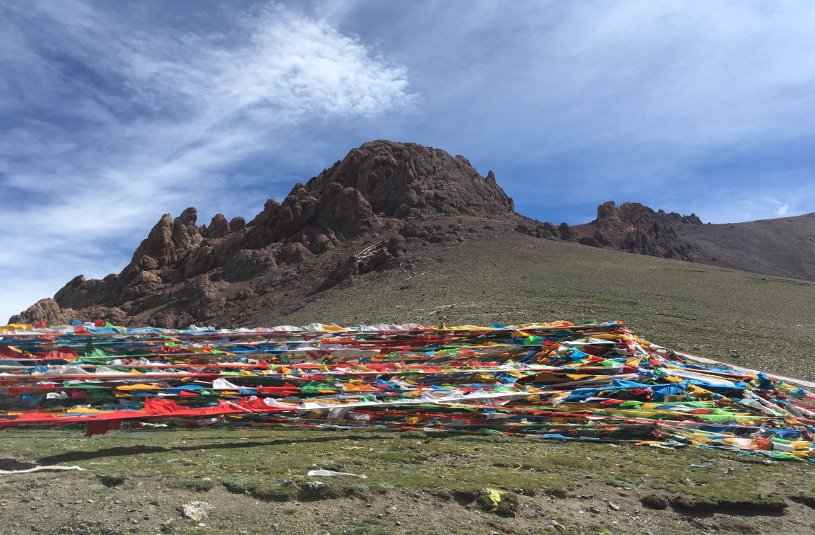
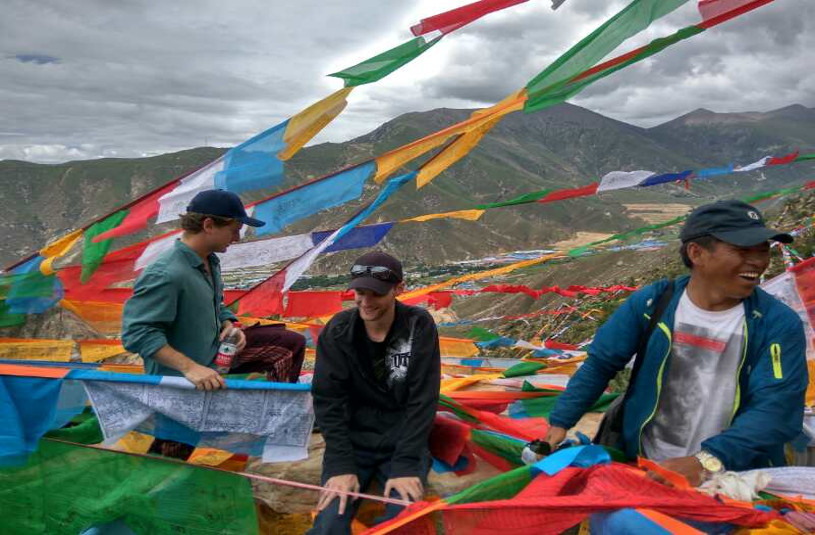
YPT offers a variety of Tibetan Festival tours that provide an opportunity to immerse yourself in the colourful spiritual world of Tibet. For example, during the Saga Dawa Festival, you can observe locals replacing their small prayer flags on the pole, while the Shonton festival features a traditional Thangka unfolding ceremony and Tibetan Opera performances. These festivals feature a traditional glimpse into the vibrant cultural traditions and atmosphere of Tibet, allowing you to witness local celebrations of their most important religious festivals and experience the essence of their unique culture.

Heritage Tour in Tibet

Tibetan architecture embodies the wisdom of building against the harsh environment in a sophisticated manner. YPT offers an architectural-themed tour where we will guide you into the intricate carvings and organic design principles found in heritage places such as the Potala Palace and other residential houses. Explore how these architectural elements are intertwined with the beliefs and daily life of the Tibetan people.

Cuisine Workshop in Tibet 

Tibetan cuisine is the soul of the highland culture. YPT can offer you a hands-on cooking workshop with local families. During the workshop, you will learn to prepare traditional Tibetan dishes using authentic ingredients and techniques. Join us for a memory journey through the gastronomic traditions of Tibet.

Spiritual Tour in Tibet 

The Tibetan highlands are often regarded as place closest to the divine. If you ever desire to explore the spiritual real of Tibet, we are delighted to offer you a pilgrimage tour to Mount Kailash. It is a 52-kilometer trek around the mountain, known as the “kora”, and you can fully embrace the essence of Tibet by indulging in its stunning landscapes. Purify your karma, revitalize your spirit, and establish a profound connection with the divine on this remarkable journey.
Filming in China - Tibet

Frequently ask Questions about travel to China - Tibet

  • Do I need a special permit to visit Tibet?

    A Tibet Travel Permit is required for foreign visitors to enter Tibet, in addition to a Chinese visa. Independent travel is not permitted, so travellers must be part of an organized tour with a registered travel agency to obtain the permit. Additional permits may be needed for certain areas like Mount Everet Base Camp.

  • Is it safe to travel to Tibet?

    Tibet is generally safe for tourists. However, travellers should be mindful of the high altitude and take precautions to prevent altitude sickness. It’s important to respect local customs and follow guidelines while traveling in Tibet.

  • Are the tours starting in mainland China?

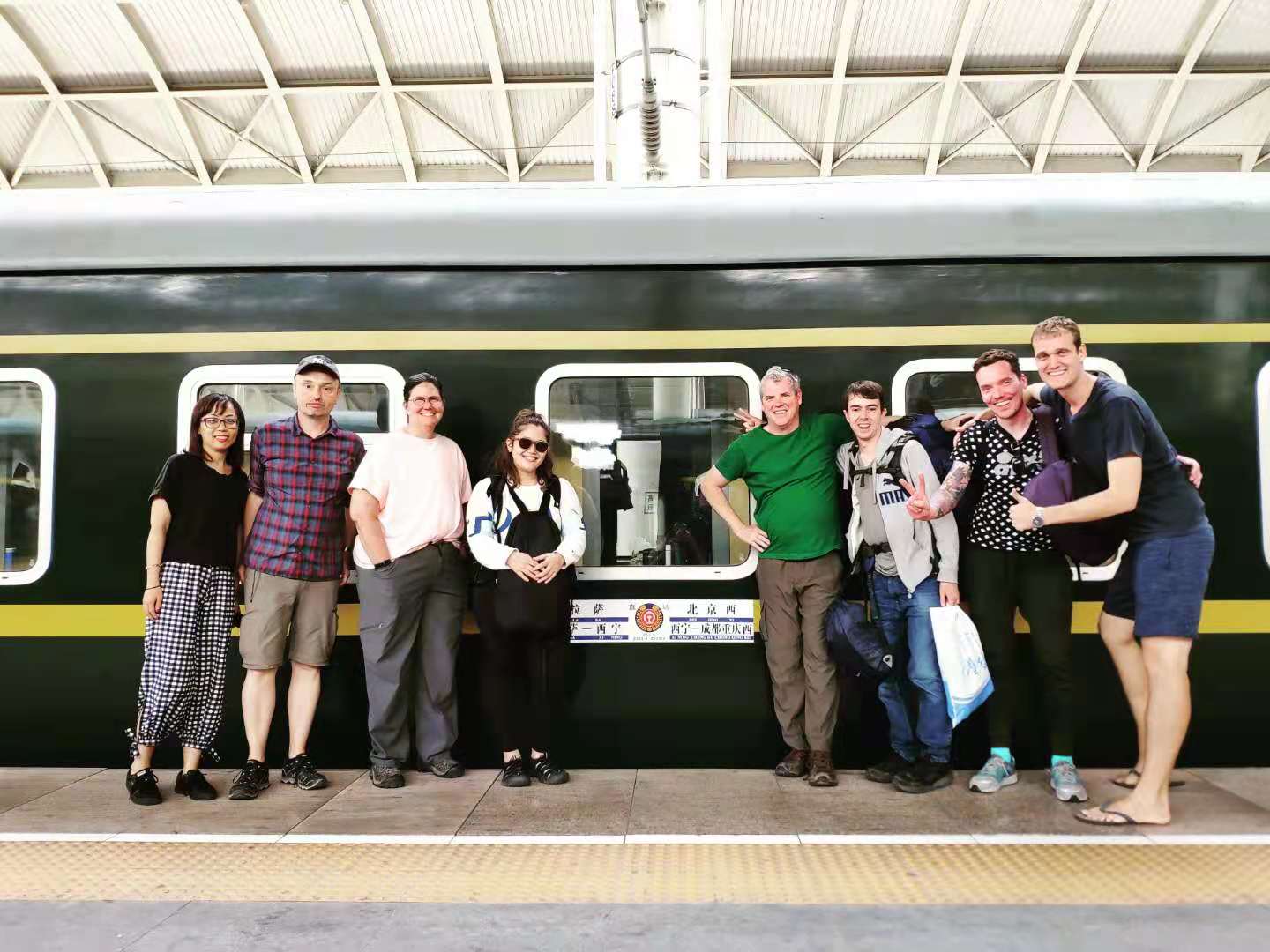
    Yes, the usual itinerary starts in a chosen city in mainland China, where we either meet for a flight, Xi’an being our preferred port of embarkment, or the train to Lhasa. There we ensure for the last time that everyone is well prepared, and all group members will be provided with their Tibet Travel Permit before boarding.

  • Is Tibet vegetarian and vegan friendly?

    Finding vegetarian and vegan options in Tibet can be challenging due to the traditional focus on meat and dairy in Tibetan cuisine. However, in larger cities like Lhasa, some restaurants offer vegetarian and vegan dishes.

  • Can I get a SIM card in Tibet?

    The major telecom operators in China, and therefore also Tibet, are China Mobile, China Unicom, and China Telecom. Each offers various prepaid and postpaid plans. You can buy SIM cards at major international airports, retail, or convenience stores. You will need your passport for identification and registration purposes due to government regulations. Note that some international websites and services are restricted. If you need access to these, consider setting up a VPN before your arrival. If you arrive without SIM card in Lhasa, you can find the stores in the city centre as well.

  • What is the currency in Tibet?

    The currency in Tibet is the Renminbi (RMB), which is also commonly referred to as the Chinese Yuan (CNY). The primary unit of the Renminbi is the yuan, and its symbol is ¥.

  • Do I need travel insurance in Tibet?

    We do strongly recommend that travellers to all our destinations have travel insurance. Accidents or medical conditions can happen anywhere and it’s best to be prepared. A proper travel insurance should include coverage for (medical) evacuation/repatriation costs by helicopter, plane or ship.

    You should always do your own research about insurance, but we at YPT use IATI. Using our referral link below will give you a 5% discount off their usual price: https://www.iatitravelinsurance.com/en/?r=23612524710385

  • Why travel to Tibet with Young Pioneer Tours?

    Why should you choose Young Pioneer Tours for your Tibet tours? Having run tourism packages within China since 2008and nearly as long in Tibet, YPT are one of the most experienced travel operators within China.

    This gives our combination of YPT and professional bilingual guides a unique insight into travel throughout China and means we get to offer behind the scenes experiences. This will be a unique advantage in one of the most culturally rich regions but difficult to travel regions on the planet.

Submit your booking details

Fill out the form below, and we will be in touch shortly.

Got a questions? Let us know

Fill out the form below, and we will be in touch shortly.