Malaysia Tours and Travel

YPT Tours To Malaysia

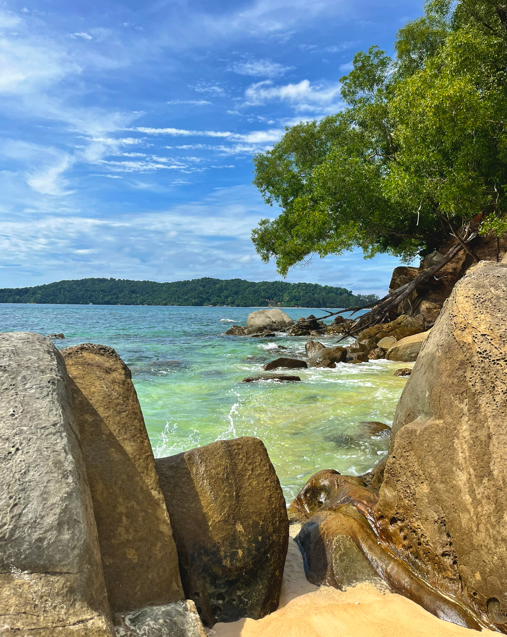
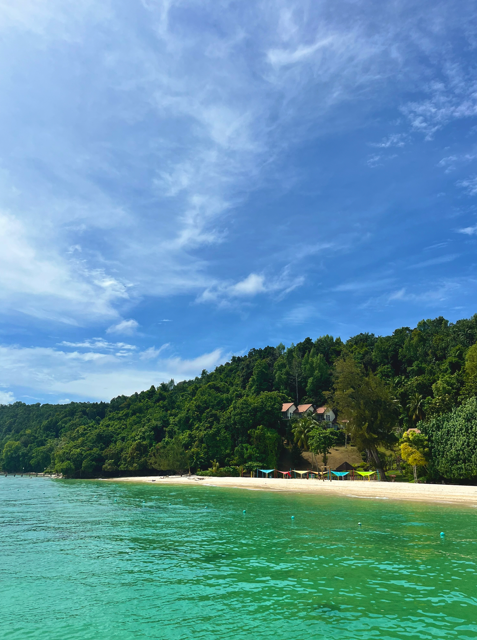
We have all seen the famous Petronas Twin Towers in the capital Kuala Lumpur, but Malaysia has far more to offer than just its modern skyline. Beyond the big city, the country is packed with different cultures, colonial history, tropical islands and some of the oldest rainforest on Earth.

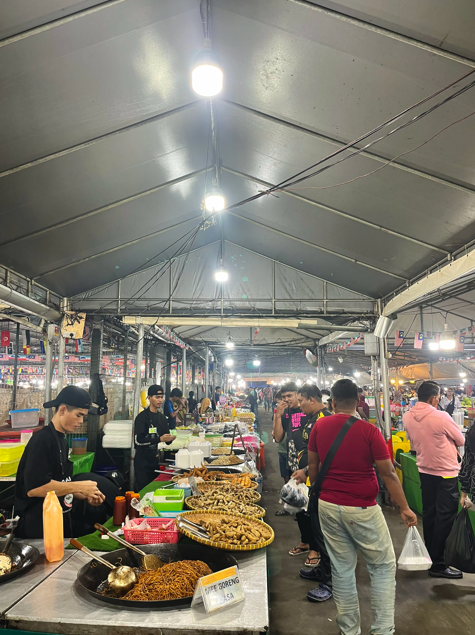
Malaysia is a unique mix of Malay, Chinese and Indian cultures, something you can see everywhere from the food to the temples and everyday life. Cities like Malacca and Penang still show strong Portuguese, Dutch and British colonial influence, while local street food culture is considered some of the best in Southeast Asia.

A big favourite here at YPT, is Malaysian Borneo, located on the island of Borneo itself. Here you’ll find dense jungle, mountains, remote villages, indigenous tribes and wildlife such as orangutans. This is a completely different side of Malaysia compared to the modern cities of the mainland.

Group Tours To Malaysia

We are currently working on setting up tours to Malaysia, keep an eye on our website and social media for updates.

No results found.

Independent Tours
To Malaysia

As well as our group tours to Malaysia, we also offer independent tours for those who want more flexibility or prefer to travel at their own pace.

Example Malaysia Tour Itinerary

Day 1 – Kuching

  • Arrive in Kuching, the capital of Sarawak in Malaysian Borneo, at your own convenience. The city is located in the Sarawak region and is known for its mix of Malay Muslim, Chinese, Christian and indigenous cultures, where mosques, temples, colonial buildings and markets all exist side by side.
  • Transfer to hotel and overnight in Kuching.

Day 2 – Kuching

Morning

  • Breakfast in the hotel.
  • After breakfast, we start in Kuching’s old town, exploring the waterfront, Chinese shophouses, colonial-era buildings and local markets. The city gives a first introduction to Sarawak’s cultural mix and its unusual history as a former independent kingdom ruled by the Brooke family, called the “White Rajahs”, who controlled Sarawak for over 100 years before it became part of Malaysia.
  • Next, we visit the Sarawak Museum, which has one of the best collections in Borneo of indigenous tribes, including former headhunting cultures.
  • We also visit the Kuching City Mosque, one of the main mosques in the city.

Afternoon

  • Lunch at a local restaurant serving traditional Sarawak dishes such as Sarawak laksa, a spicy coconut noodle soup.
  • After lunch, we walk along the riverfront and visit nearby temples and churches, such as Tua Pek Kong Temple and the Old St. Thomas Cathedral, showing how different cultures and religions exist side by side in the city.
  • Dinner at a local restaurant along the waterfront, serving fresh river fish.
  • Overnight in Kuching.

Day 3 -Iban Longhouse

Morning

  • Breakfast in the hotel.
  • After breakfast, we leave the city and travel deep into rural Sarawak. The journey passes rainforest, rivers and small villages, following important routes once used for trade across Borneo.
  • We will also see traces of the Malayan Emergency here, when communist guerrillas operated in the jungle for years, using the dense rainforest as a hidden base to move, train and avoid government forces.
  • We head towards Iban territory, one of the most well-known indigenous groups in Borneo. The Iban were historically headhunters, with the practice ending in the 20th century, but their traditions, tattoos, rituals and oral history are still very important today.

Afternoon

  • We’ll have a simple lunch on the way at a local restaurant before continuing by longboat into the jungle to reach a traditional Iban longhouse.
  • An Iban longhouse is a large traditional wooden building where an entire community lives together under one roof. It is mainly found in rural and jungle areas of Sarawak in Malaysian Borneo. Here we meet the community, learn about tribal customs, rice wine production, traditional beliefs and daily jungle life.
  • Dinner is served inside the longhouse, with shared local dishes such as grilled fish, vegetables from the forest and rice wine.
  • Overnight in the longhouse.

Day 4- Iban Longhouse & Kuching

Morning

  • Breakfast in the longhouse.
  • We explore the surrounding rainforest with local guides, learning about jungle survival, traditional hunting methods, medicinal plants and how the forest was used for generations in Iban culture.

Afternoon

  • After lunch in the longhouse, we spend more time with the community, with demonstrations of traditional crafts, music, weaving and cultural practices.
  • In the late afternoon, we return to Kuching by longboat and road.
  • Dinner at a local restaurant in Kuching, serving barbecued seafood.
  • Overnight in Kuching.

Day 5- Kuching & Departure

Morning

  • Breakfast in the hotel.
  • After breakfast, check out and transfer to Kuching International Airport for departure.
  • Tour concludes.

Bespoke Tours to Malaysia

As well as our scheduled Malaysia tours, we can also arrange bespoke itineraries based on your interests. Get in touch if you want something more specialized, off-route or focused on a specific side of Malaysia or Borneo.

Southeast Asia’s Strangest Border Crossing Route

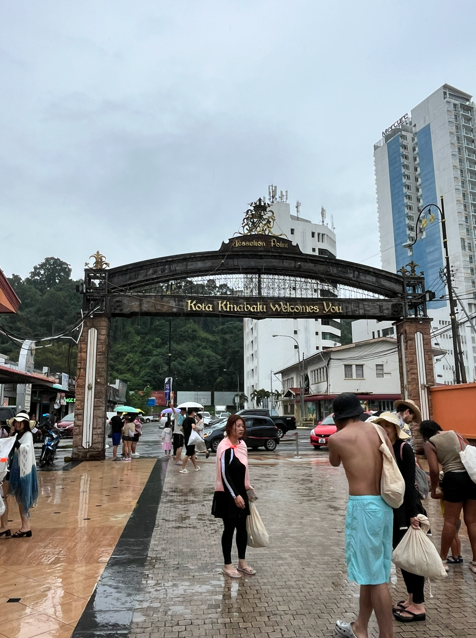
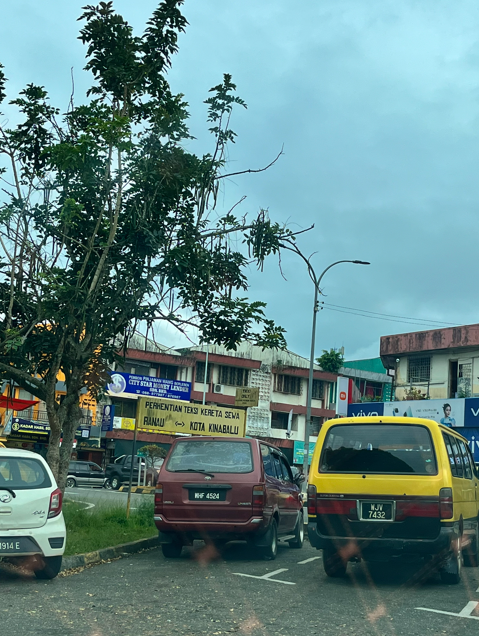
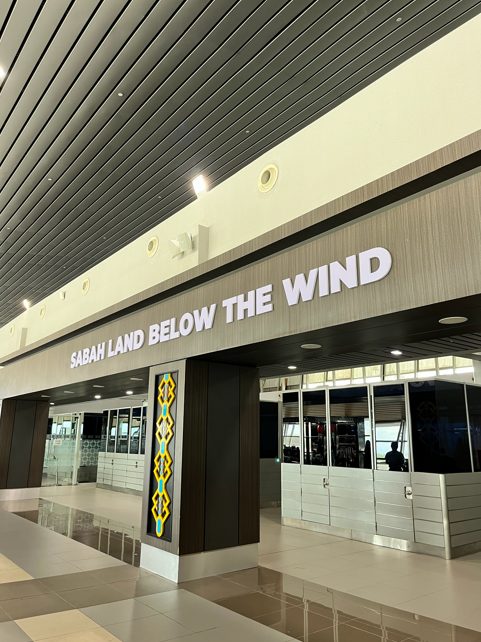
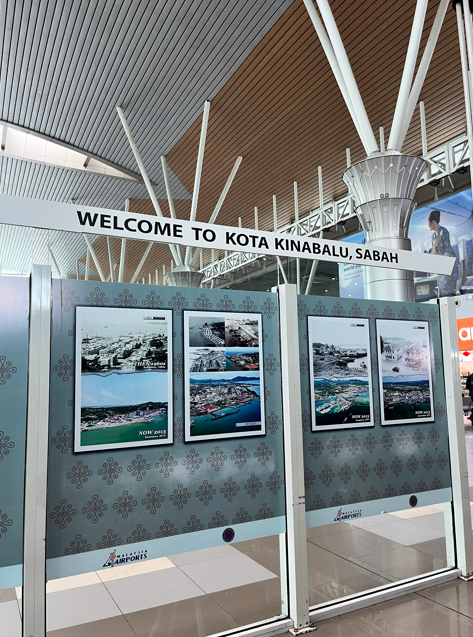
This overland journey follows one of the most unusual border crossings in Southeast Asia, travelling along the northern coast of Borneo between Malaysia and Brunei. Starting in Kota Kinabalu, the route passes through Sabah’s coastal roads and small towns before reaching the first Malaysian-Brunei border at Sindumin. It then briefly enters Brunei, passes through a short stretch of Malaysian enclave territory, and crosses back into Brunei. This was once the main overland link between Sabah and Brunei before recent infrastructure upgrades, and remains a popular route for passport stamp collectors.

Borneo Volcanoes, Mountains & Highland Cultures

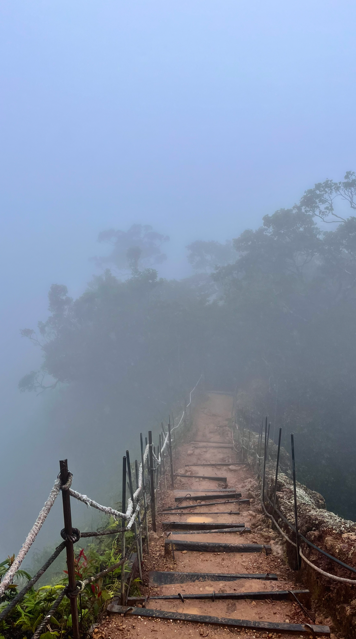
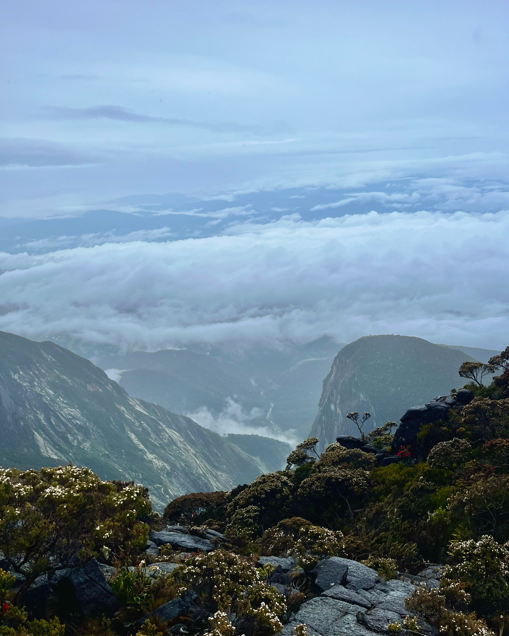
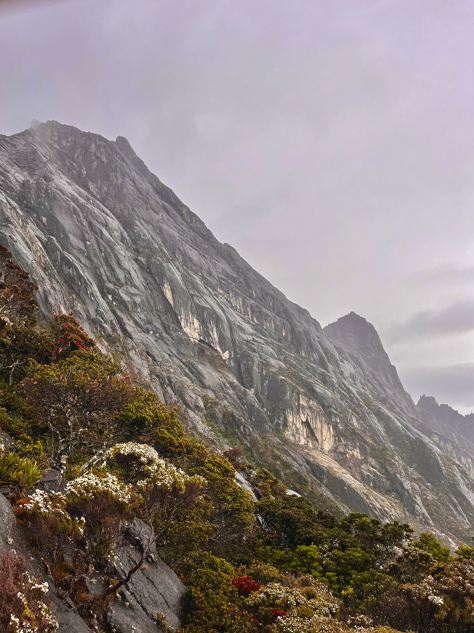
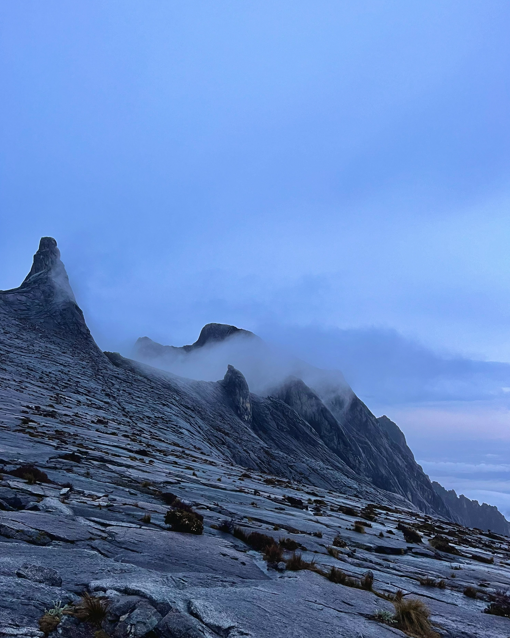
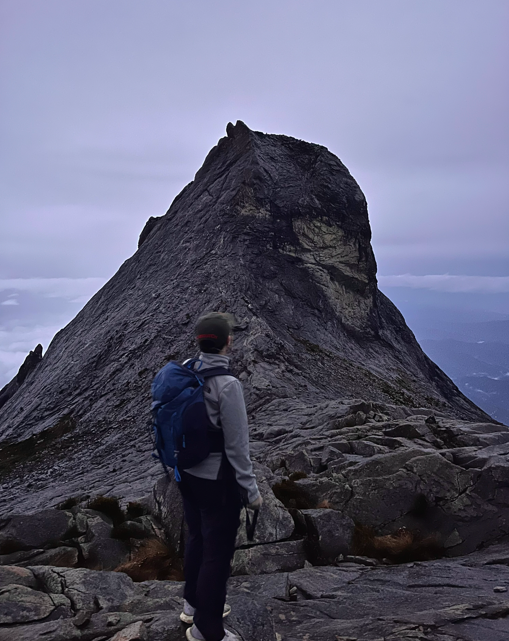
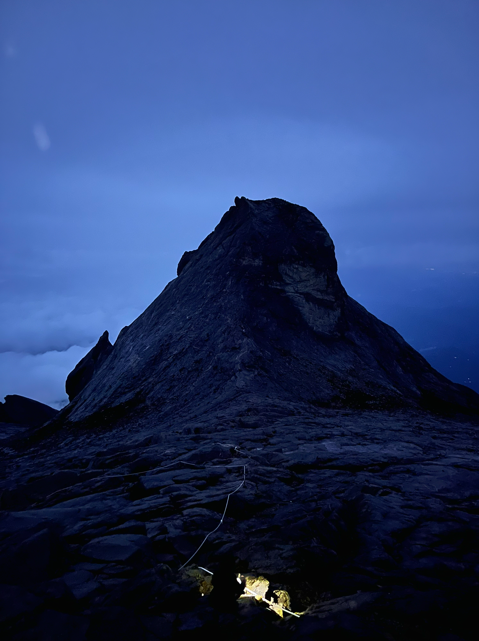
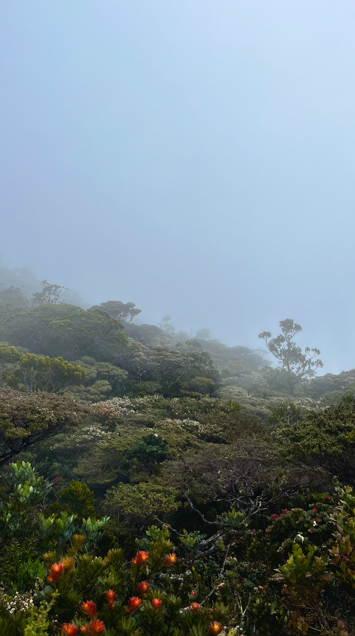
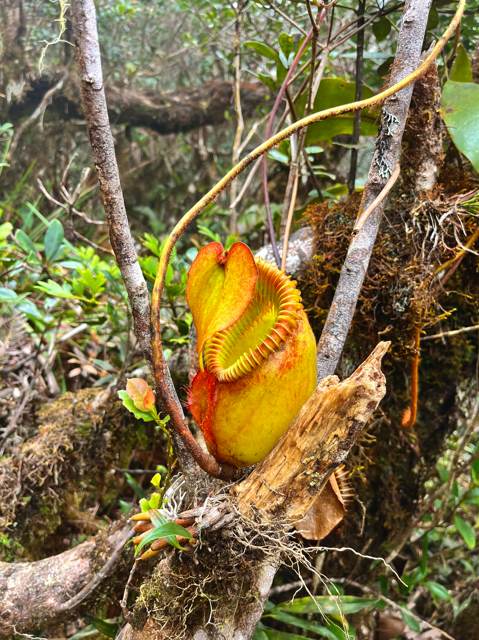
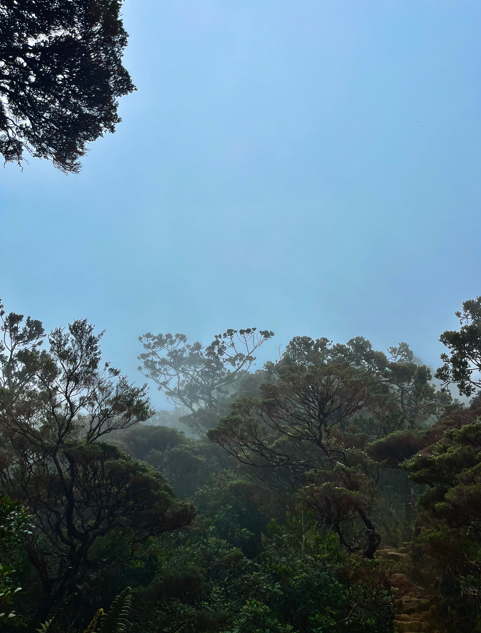
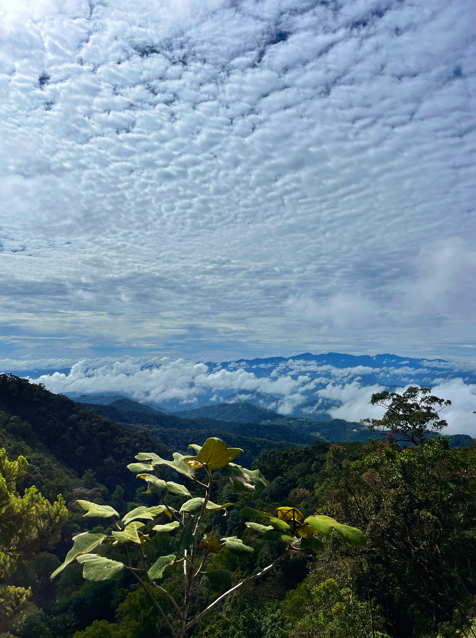
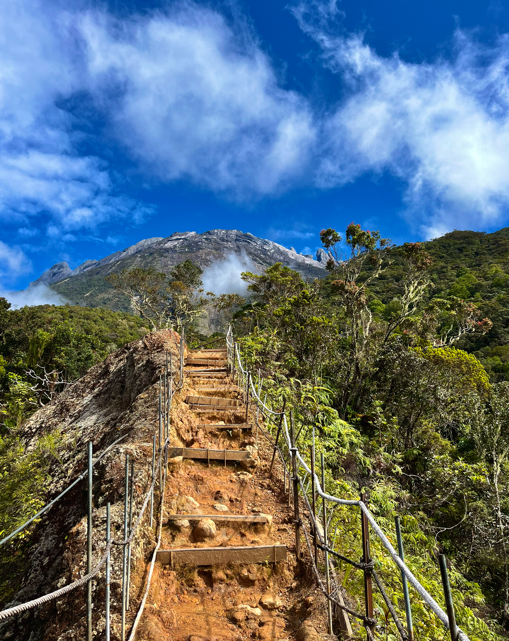
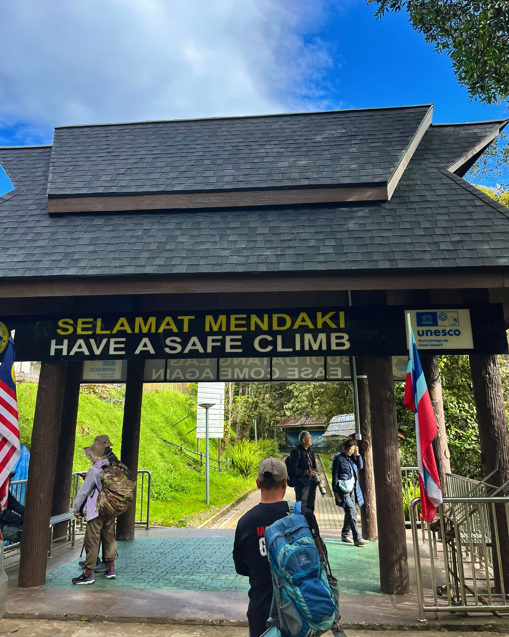
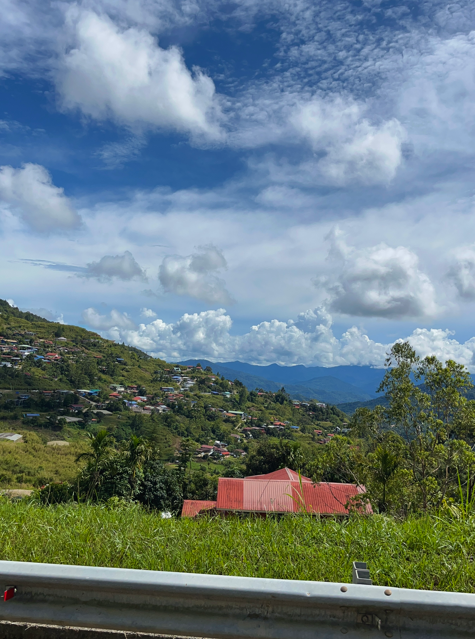
This tour explores Malaysia’s highland regions in Sabah, including Mount Kinabalu and remote upland communities living at higher altitude with very different lifestyles from the coast. Travel through mountain landscapes, national parks and rural settlements to see unique ecosystems, cloud forests and cooler climates found only in these areas.

Iban Longhouse Tours

This tour focuses on visits to traditional Iban longhouses in rural Sarawak. The Iban are one of the main indigenous groups in Malaysian Borneo, historically known for their headhunting culture, which ended in the 20th century but remains an important part of their oral history and traditions. Stay or visit a longhouse where multiple families live together under one roof, and experience daily life, local customs, traditional food and jungle surroundings in one of the most remote parts of Malaysia.

Borneo Headhunters Tour

This tour explores more of the Iban and other indigenous groups of Sarawak in Malaysian Borneo, who were historically known for headhunting, the actual practice of hunting human heads. While no longer practiced today (luckily..?), it remains an important part of cultural history and oral tradition, still reflected in stories, symbols and ceremonies passed down through generations.

Communist History and Jungle Warfare Tours

This tour explores Malaysia’s Cold War history, focusing on the Malayan Emergency and later communist history. Visit former jungle conflict areas and rural regions to understand how guerrilla groups used the rainforest to operate against British and Malaysian forces. The tour also looks at how the conflict shaped modern Malaysia’s politics, security and rural development.
Filming in Malaysia

Through our media arm Pioneer Media, YPT can arrange filming and production support in Malaysia, including access, logistics, and local coordination for documentaries and travel content. Contact us for more details.

Frequently ask Questions about travel to Malaysia

  • What is the best time to visit Malaysia?

    The best time to visit Malaysia depends on the region. The west coast (Kuala Lumpur, Penang, Langkawi) is generally best from November to April, while Malaysian Borneo (Sabah and Sarawak) is drier from March to October.

  • What language is spoken in Malaysia?

    The official language is Malay (Bahasa Malaysia), but English is widely spoken, especially in cities and tourism areas. You will also hear Chinese dialects such as Cantonese and Hokkien, as well as Tamil and various indigenous languages in Borneo.

  • What currency is used in Malaysia?

    Malaysia uses the Malaysian Ringgit (MYR). Cash is useful for markets and rural areas, while cards are widely accepted in hotels, restaurants and larger shops.

  • Do I need a visa to visit Malaysia?

    Visa requirements depend on nationality. Many travellers, including UK, EU, US, Australia and most ASEAN countries, can enter visa-free for stays of 30 to 90 days. Some nationalities must apply for a visa in advance, and most visitors are also required to complete Malaysia’s Digital Arrival Card (MDAC) before entry.

  • Is Malaysia safe for tourists?

    Yes, Malaysia is generally safe with good infrastructure and low levels of violent crime. Usual travel awareness is recommended in busy cities and when travelling in remote jungle or rural areas in Borneo.

  • What vaccinations or health precautions are recommended?

    Routine vaccinations such as tetanus, hepatitis A/B and typhoid are recommended. Mosquito protection is advised in rainforest areas of Borneo, and dengue fever can occur in urban and rural zones.

  • What is the national dish of Malaysia?

    There is no single national dish, but popular foods include nasi lemak (rice with coconut milk, sambal and sides), laksa (spicy noodle soup), roti canai (flatbread with curry) and satay (grilled meat skewers with peanut sauce).

  • Is Malaysia easy to travel as a vegetarian?

    Yes, especially in cities, with many Indian, Chinese and Malay vegetarian-friendly dishes available such as stir-fried vegetables, tofu dishes, curries and noodle soups. In rural areas and Borneo, options can be more limited but still possible.

  • Can you drink alcohol in Malaysia?

    Yes, alcohol is legal and widely available in most areas, especially in cities and tourist regions. However, it is more limited in conservative or rural Muslim-majority areas, and more expensive than in neighbouring countries.

  • Is Malaysia safe for LGBTQ+ travellers?

    Malaysia is a conservative country, and same-sex relationships are not widely accepted socially or legally. LGBTQ+ travellers should be discreet and avoid public displays of affection, especially outside major cities and tourist areas.

Submit your booking details

Fill out the form below, and we will be in touch shortly.

Got a questions? Let us know

Fill out the form below, and we will be in touch shortly.