Do I need a visa to go to Iraqi Kurdistan?
Yes, most nationalities need a visa to go to Iraqi Kurdistan. There is an e-visa service through which a vast majority of nationalities can submit their application online and paying the e-visa fee of $75USD. Official e-visa website: https://visit.gov.krd/ The following nationalities can use the e-visa service: European Union countries, USA, UK, Russia, China, Japan, South Korea, Canada, Australia, New Zealand, and Switzerland, etc.
Since the introduction of the e-visa platform, Kurdistan immigration has been transitioning to no longer accept visa on arrival. For most nationalities that are not listed above – we can arrange your e-visa for $250. This includes Hong Kong, Taiwan, Malaysia, Vietnam, Thailand, Philippines, Indonesia, and Serbia for example. However, some countries, such as India and South Africa, are blacklisted by the Kurdish Regional Government.
Can I travel between Southern Iraq and Iraqi Kurdistan with the same visa?
If you are travelling from Southern Iraq (Federal Iraq) on the same trip, your Southern Iraq visa includes your stay in Kurdistan, and you won’t need a new visa when entering Kurdistan. As such, your time in Kurdistan should be within the validity period of your Southern Iraq visa which is 30 days. On the other hand, the Kurdistan e-visa or the Kurdistan visa on arrival stamp is not valid for travel elsewhere in Iraq outside of Kurdistan including Baghdad – it is only valid for the Kurdistan region of Iraq. Both parts of the country are working on unifying it.
Can I get a SIM card in Iraqi Kurdistan?
Most hotels and restaurants have Wifi, but if you want to stay connected throughout your trip, you can buy a SIM card. They are widely available in Iraqi Kurdistan, particularly in major cities like Erbil, Sulaimaniyah, and Dohuk.
You can purchase them at Erbil International Airport and official stores of major operators like Korek Telecom, Asiacell, and Zain Iraq. Many convenience stores, phone shops, and authorized dealers in city centres also sell SIM cards.
A SIM card typically costs from IQD 5,000 to IQD 15,000 (approximately USD 3 to USD 10), depending on the provider and included benefits. Data plans start from around IQD 10,000 for smaller bundles, with larger data volumes available at higher prices. You’ll need to provide identification to register your SIM card, which is a legal requirement in Iraq, including Kurdistan. The registration is typically quick, done at the point of purchase, and involves providing your details and a passport copy.
What currency is used in Iraqi Kurdistan?
The currency of Iraqi Kurdistan is the Iraqi Dinar (IQD), the same money used elsewhere in Iraq.
International ATMs can be difficult to find in most places. You will need to bring US dollars which can be exchange at currency exchanges and hotels in the cities and major towns. EUR is possible to exchange but not accepted by all.
Is it safe to travel to Iraqi Kurdistan?
Iraqi Kurdistan is generally considered safer than other parts of Iraq due to its autonomy and the relative stability provided by the Kurdish Regional Government. Cities like Erbil, Sulaymaniyah, and Dohuk are often highlighted as safer for tourists.
The crime rate in these cities is relatively low compared to many Western cities, with incidents of petty crime being less common.
However, the region has experienced tensions with neighbouring countries, particularly Turkey due to the PKK (Kurdistan Workers’ Party) activities, leading to occasional military operations near border areas.
Avoid areas close to borders, especially with Turkey and Iran, where there might be military activities.
Is Iraqi Kurdistan LGBT-friendly?
Homosexuality is illegal in Iraq, and while the Kurdistan Region has some autonomy, it does not have separate laws explicitly protecting or criminalizing homosexual acts.
While some might argue that Iraqi Kurdistan is relatively safer than other parts of Iraq for the LGBT community, it’s still fraught with danger. Many LGBT individuals in the region live discreetly due to fear of reprisal from family, society, or authorities.
Societal attitudes in Iraqi Kurdistan towards the LGBT community are generally conservative, influenced by traditional Islamic and cultural values. There have been efforts by organizations like Rasan in Sulaymaniyah to advocate for LGBT rights.
These groups have tried to foster dialogue and awareness, but they face significant challenges. Rasan, for instance, has encountered legal and societal pushback, including having its license revoked for advocating for LGBT rights.
What is the food like in Iraqi Kurdistan?
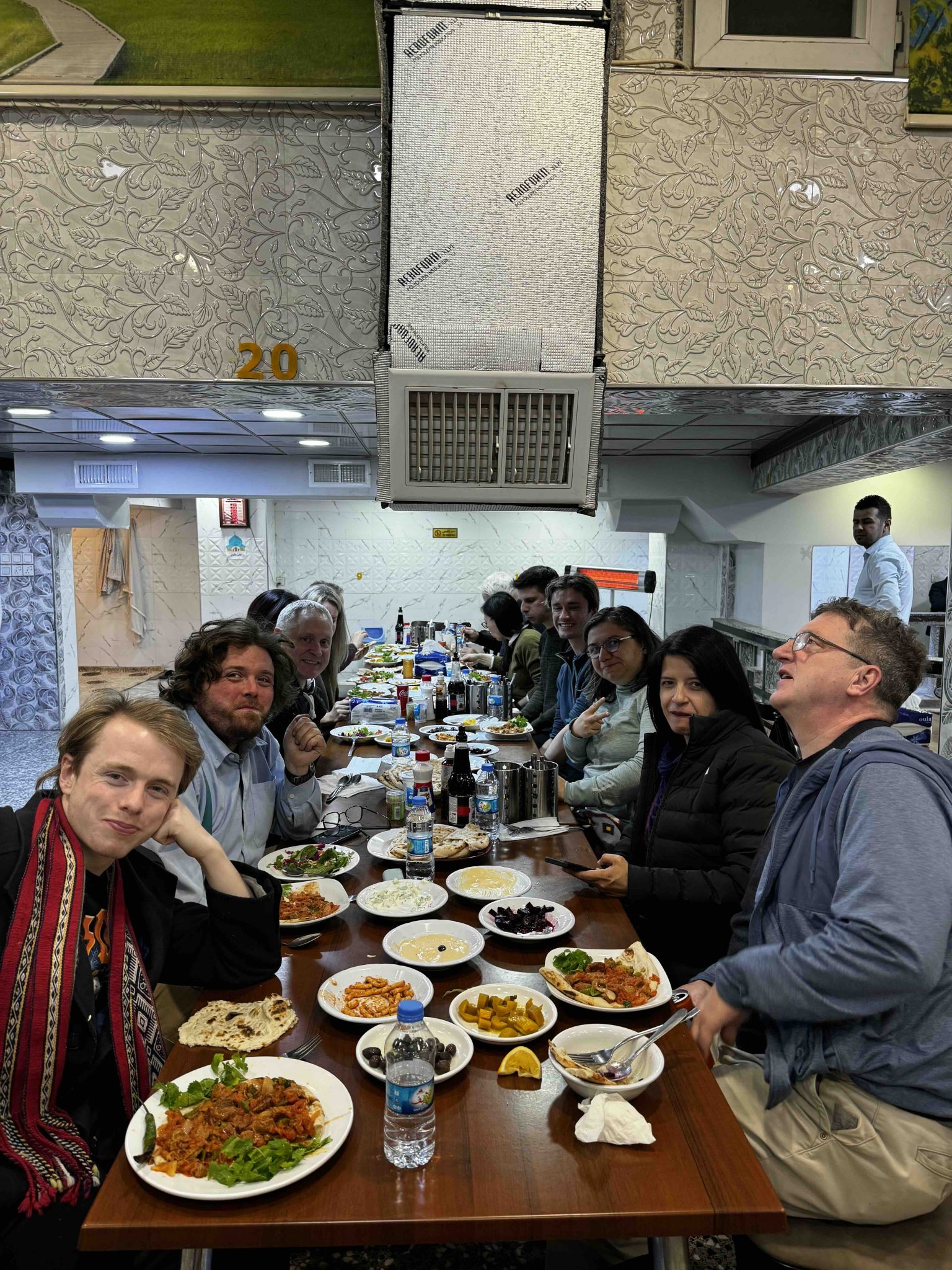
Iraqi Kurdistan’s was influenced by many cultures, including Kurdish, Arab, Turkish, Persian, and Armenian culinary traditions.
Various types of kebabs are prevalent, including shish kebab (meat skewers), kofta kebab (minced meat shaped around skewers), and doner kebab (rotisserie meat).
You can also find Dolma, stuffed vegetables, often grape leaves or peppers, filled with a mixture of rice, herbs, and sometimes meat. Biryani, an aromatic rice dish, often mixed with meat, spices, and sometimes dried fruits or nuts, is also a staple of Iraqi cuisine.
Meals are often communal, with large dishes meant for sharing and breakfast might include flatbread, cheese, olives, and eggs. Meals can be heavily spiced, with an emphasis on fresh herbs like parsley, mint, and coriander.
Is Iraqi Kurdistan vegetarian-friendly?
Iraqi Kurdistan, like many other parts of the Middle East, traditionally has a cuisine centred around meat, particularly lamb, chicken, and beef.
However, there are vegetarian options available, though they might not be as abundant or varied as in more vegetarian-friendly cultures: Dolma (stuffed vegetables) can be made without meat using rice, herbs, and spices. Biryani is a rice dish that can be made without meat, focusing on spices, herbs, and sometimes dried fruits.
Falafel is a common fast food option, made from chickpeas or fava beans, widely available in cities. Vegetarian options might be limited in small, local eateries but are more likely to be found in larger cities like Erbil, Sulaimaniyah, or Dohuk, especially in places that cater to tourists or expatriates.
As awareness grows, some places, particularly those oriented towards Western tourists or expats, are starting to offer more vegetarian or vegan options on their menus. Please note that Kurdish meals are often communal, so dining with others might involve explaining your dietary preferences more than once.
Is alcohol legal in Iraqi Kurdistan?
Alcohol is legal in the Kurdistan Region of Iraq. You can find it in bars, restaurants, and some shops, particularly in larger cities like Erbil, Sulaimaniyah, and Dohuk.
Howeber, while legal, public consumption might not be as openly practiced as in Western countries due to cultural sensitivities.
It’s more common in tourist areas or among expatriates. Establishments that sell alcohol usually need a special license to do so, which means not every restaurant or bar will have alcohol on offer.
Do I need insurance to travel to Iraqi Kurdistan?
We do strongly recommend that travellers to all our destinations have travel insurance.
Accidents or medical conditions can happen anywhere and it’s best to be prepared since medical facilities in Algeria may be very basic.
A proper travel insurance should include coverage for (medical) evacuation/repatriation costs by helicopter, plane or ship.
You should always do your own research about insurance, but we at YPT use IATI. Using our referral link below will give you a 5% discount off their usual price: https://www.iatitravelinsurance.com/en/?r=23612524710385
Why travel to Iraqi Kurdistan with Young Pioneer tours?
Having organized trips to Iraqi Kurdistan since it opened to tourism, YPT are experts in the country.
That’s why we can show you the unseen and undiscovered Iraqi Kurdistan that few travellers get to see, while navigating the complexities of traveling in this region, from visa arrangements to understanding local customs and safety.
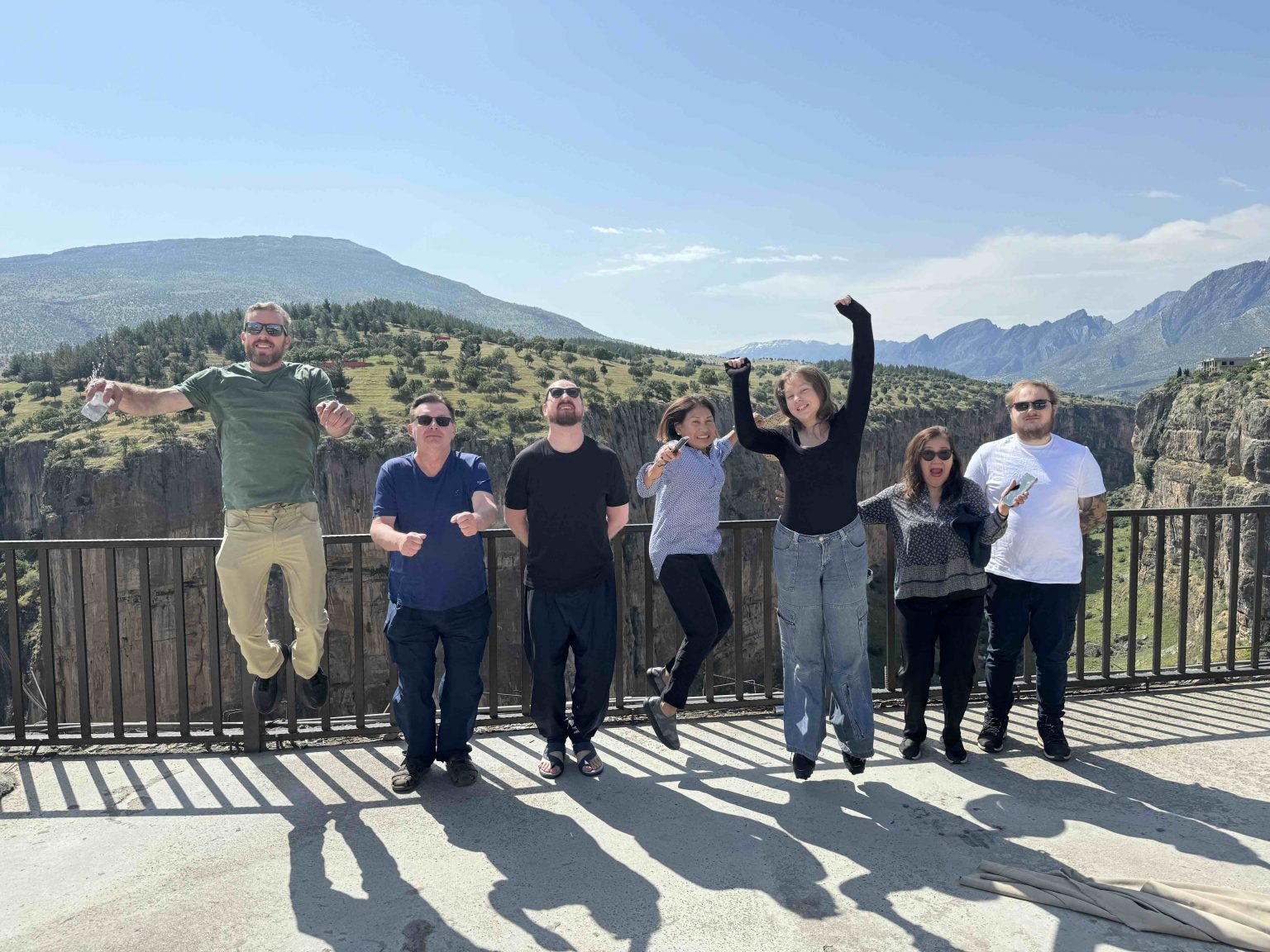
Joining a YPT tour also means becoming part of a community of travelers interested in similar adventurous, yet safe, travel experiences.