Eswatini Tours and Travel

YPT Tours To Eswatini

YPT are pleased to offer a range of Eswatini Tours, previously known as Swaziland, one of Africa’s smallest countries. Landlocked between South Africa and Mozambique, it’s a place many travellers pass right by, but not us at YPT.

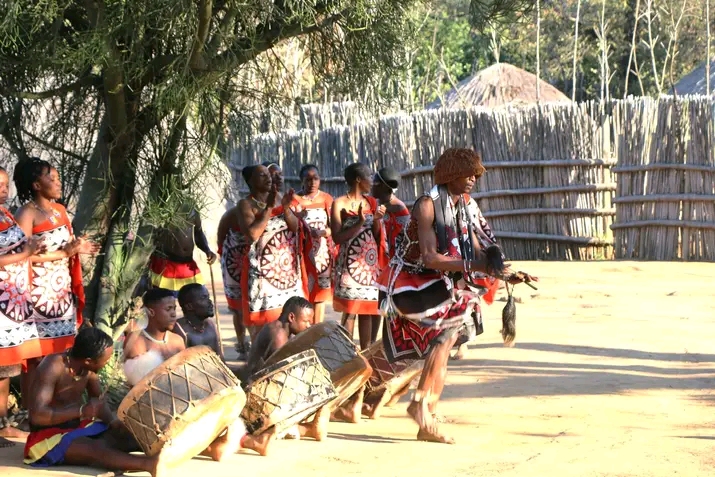
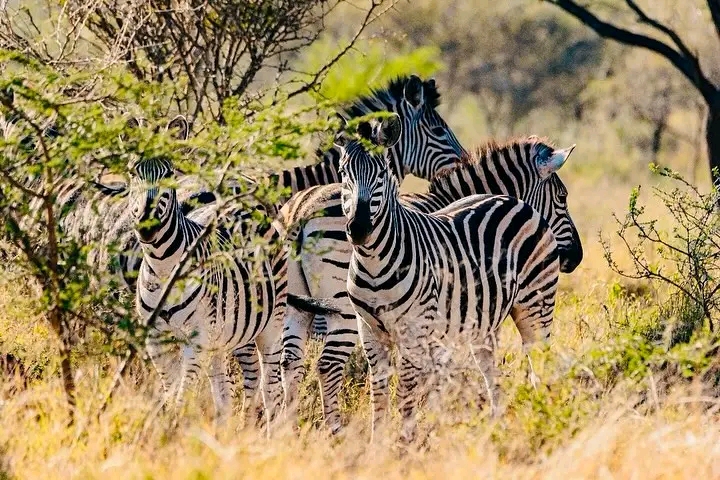
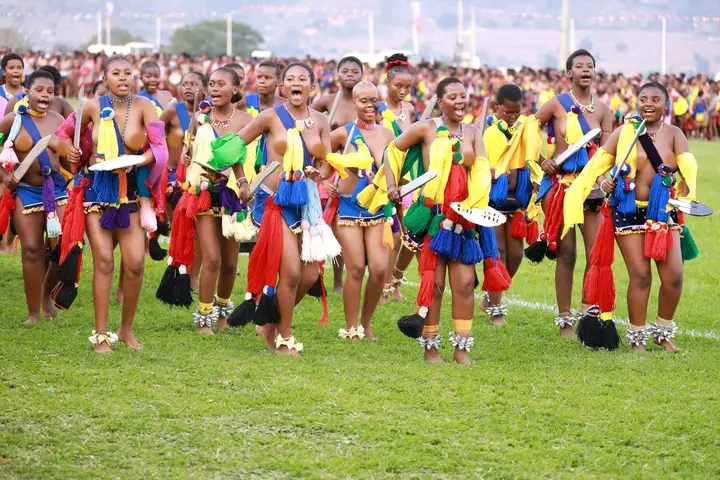
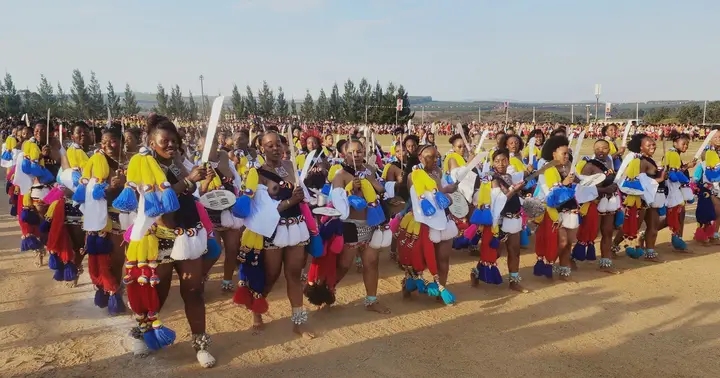
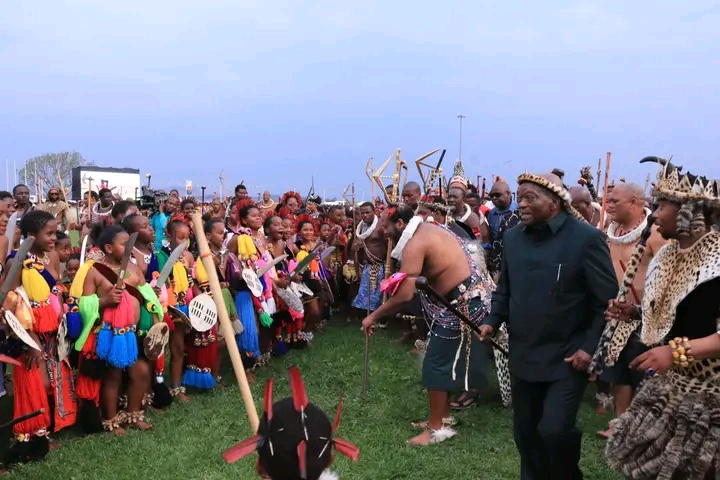
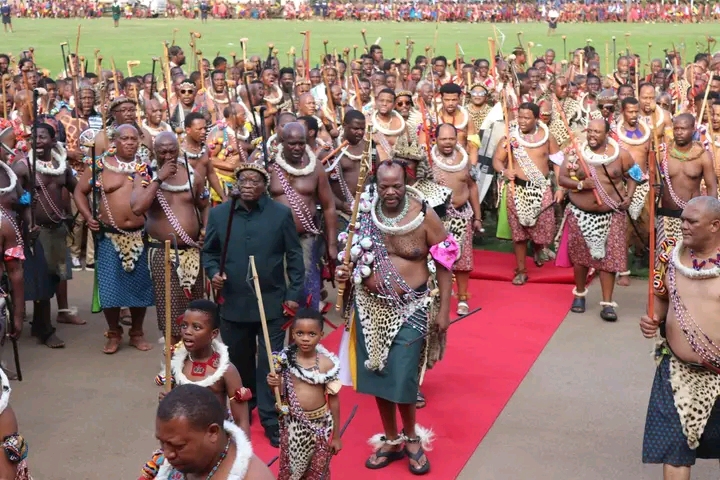
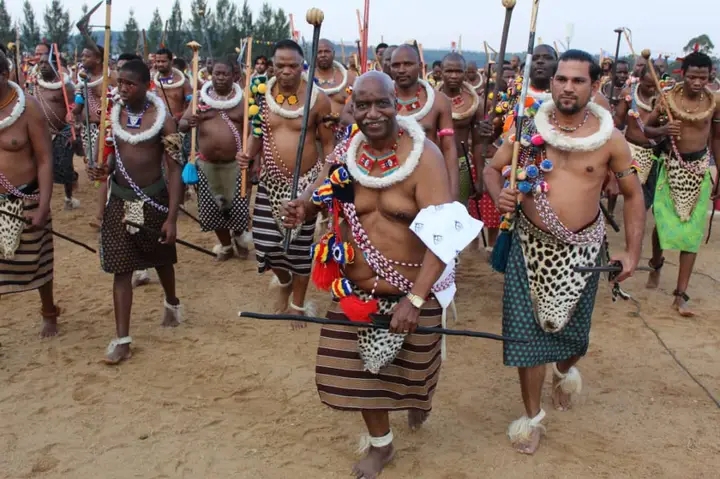
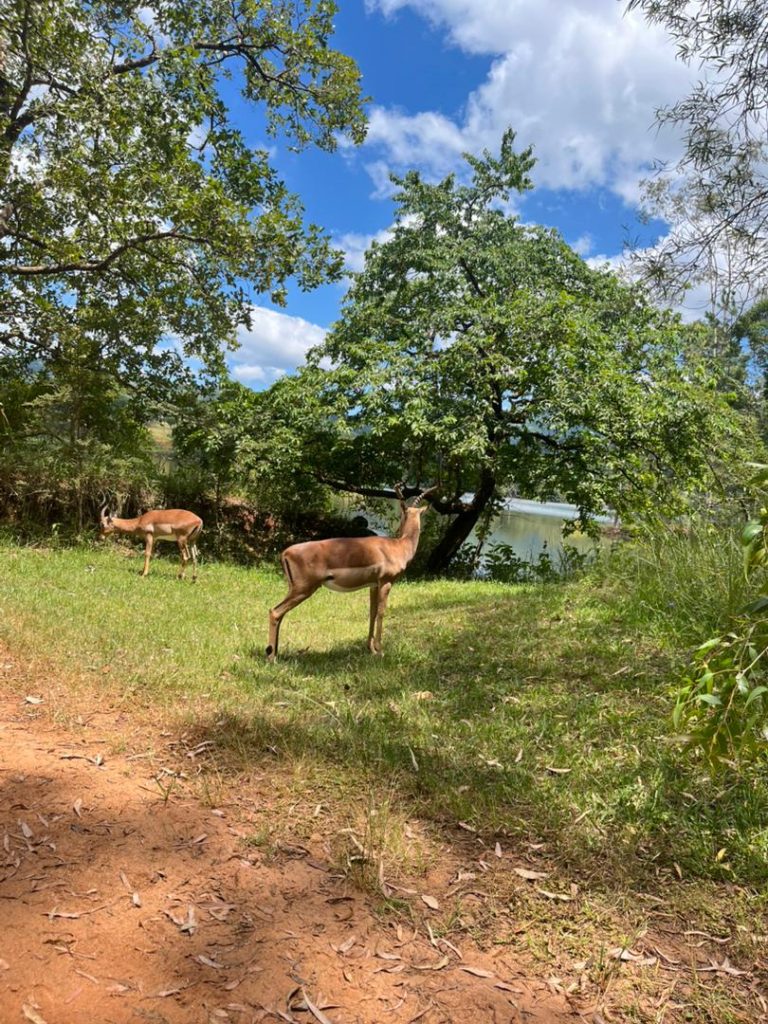
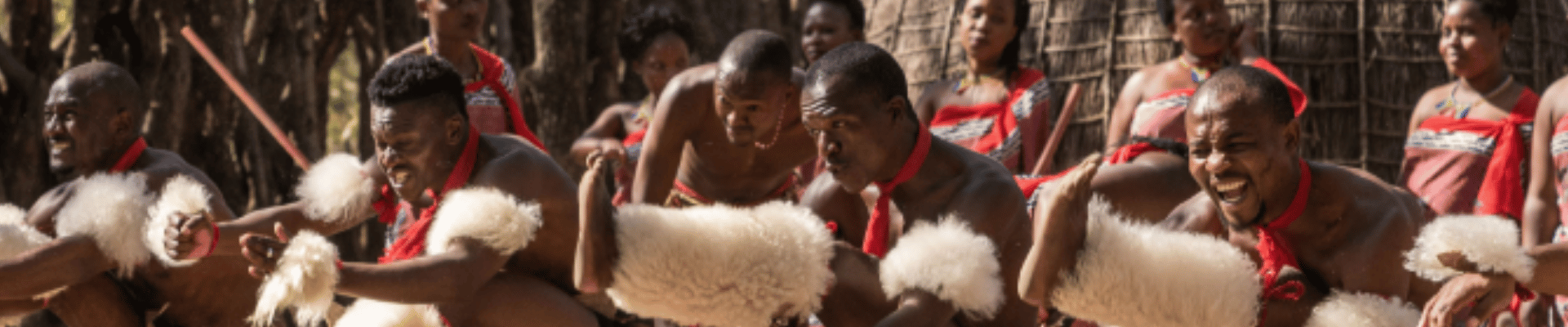
Eswatini’s safari reserves rival those of its larger neighbours, yet only see a fraction of the visitors. It is also one of the world’s last remaining absolute monarchies, where century old traditions and colourful cultural festivals continue to play an important role in daily life, something we’ll explore on the ground.

Though small in size, Eswatini offers far more than you’d expect.

Group Tours To Eswatini

Currently we’re offering the following group tours to Eswatini for 2026 and 2027. We’re planning on adding more tours – keep watching this page and our social media to get all the news.

No results found.

Independent Tours
To Eswatini

We understand that it’s not always feasible to join our scheduled group tours or that you prefer a more in-depth experience. We can offer bespoke tours to Mozambique and arrange everything you require for an independent tour.

Example Eswatini Tour Itinerary

Day 1 – Eswatini

  • Arrive at your convenience into King Mswati III International Airport, the main airport in Eswatini, with connections from places such as Johannesburg and Durban.
  • Meet your guide before beginning the journey into one of Africa’s smallest countries.
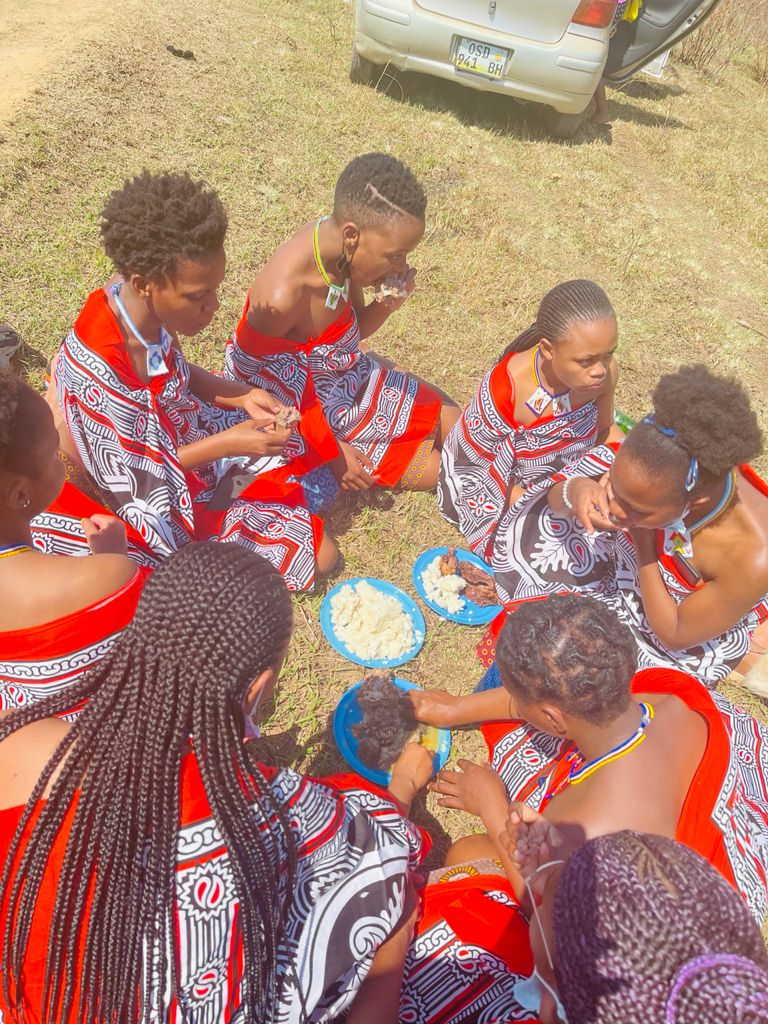
  • We’ll make our way east and stop for lunch at a busy roadside restaurant popular among the locals. Here you’ll get the chance to sample grilled chicken, beef skewers, rice, pap, and fresh vegetables for a first taste of everyday Swazi cuisine!
  • After lunch, a short drive to Ngwenya Mine, one of the oldest known iron ore mining sites in the world, dating back thousands of years. From the viewpoints above the site, we look down over the old mining area and surrounding hills, while learning how iron ore was extracted here in ancient times and how this region later became part of important trade routes across southern Africa.
  • We then continue into the Ezulwini Valley, also known as the cultural heart of Eswatini. Here we check into Mlilwane Wildlife Sanctuary, one of the country’s oldest protected areas.
  • We’ll gather for our first dinner feast to set the tone for the tour ahead, followed by an evening around the fire pit with drinks.
  • Overnight at Mlilwane Wildlife Sanctuary.

Day 2 – Mlilwane Wildlife Sanctuary

Morning

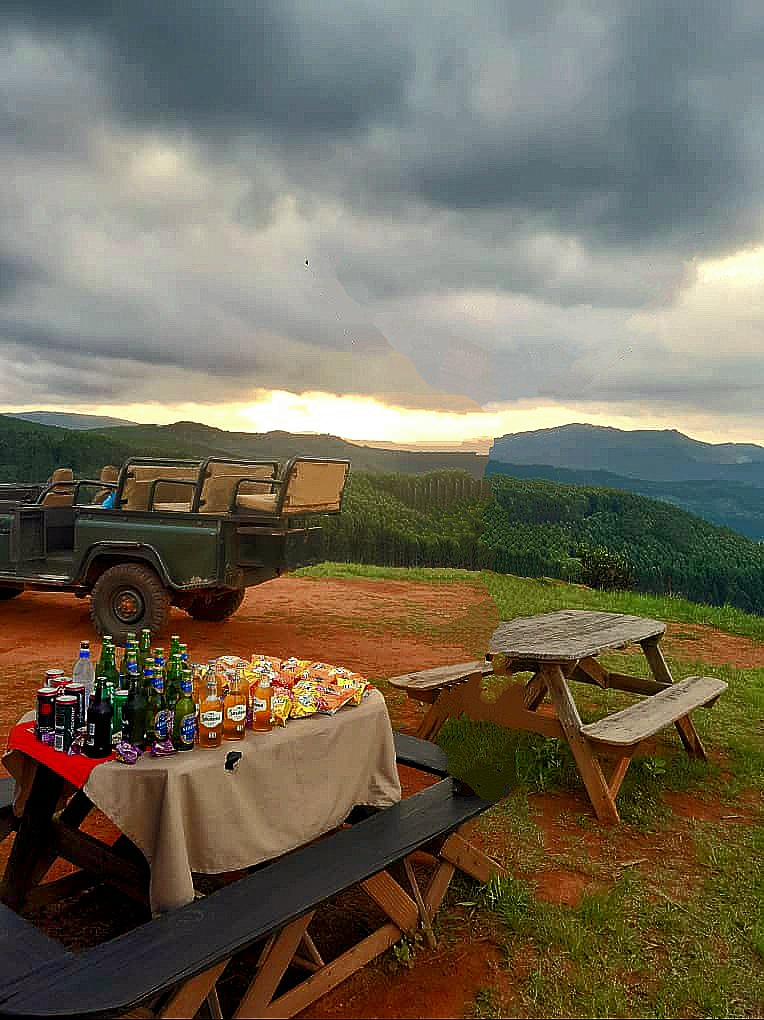
  • Very early start before sunrise. We’ll start the drive towards Sibebe Rock, a large granite formation. We’ll walk to a viewpoint and watch the sunrise over the valleys and hills of Eswatini, having a simple, packed breakfast picnic while enjoying the views.
  • From here, we continue towards Lobamba, the traditional and cultural center of Eswatini and home to the royal family and parliament.
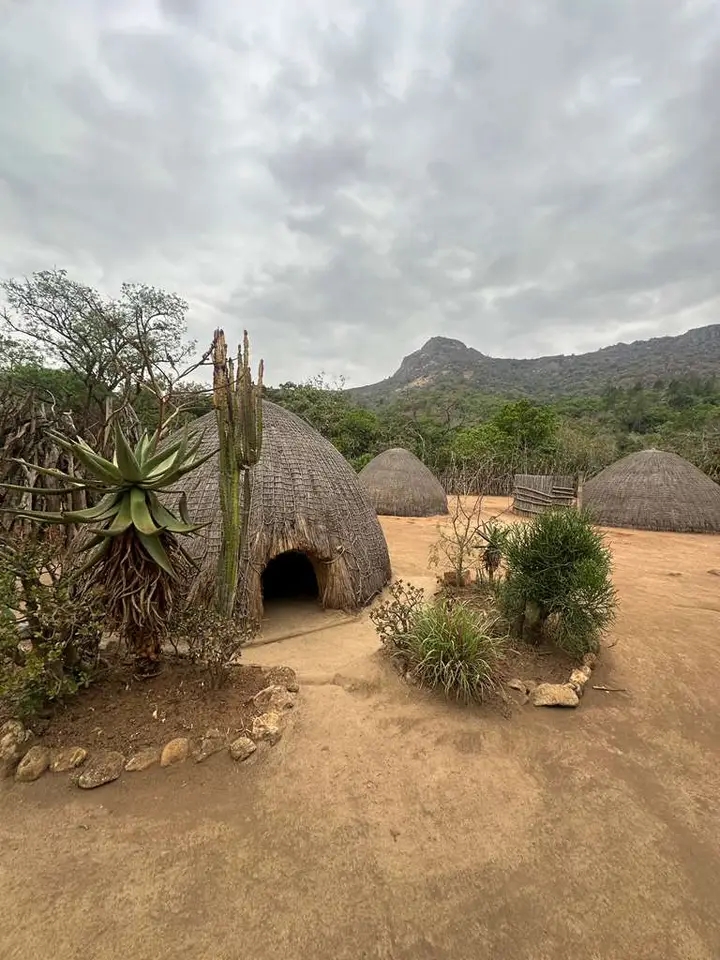
  • First stop is at Mantenga Cultural Village, where we learn about traditional Swazi homesteads, family structures, and cultural practices. The village is built in the style of a 19th-century Swazi settlement, and our local guide explains how life was traditionally organized back then and how some of these customs are still in use today.

Afternoon

  • Lunch is at a local favorite spot in the Ezulwini Valley, where we can sit and people-watch over the busy valley.
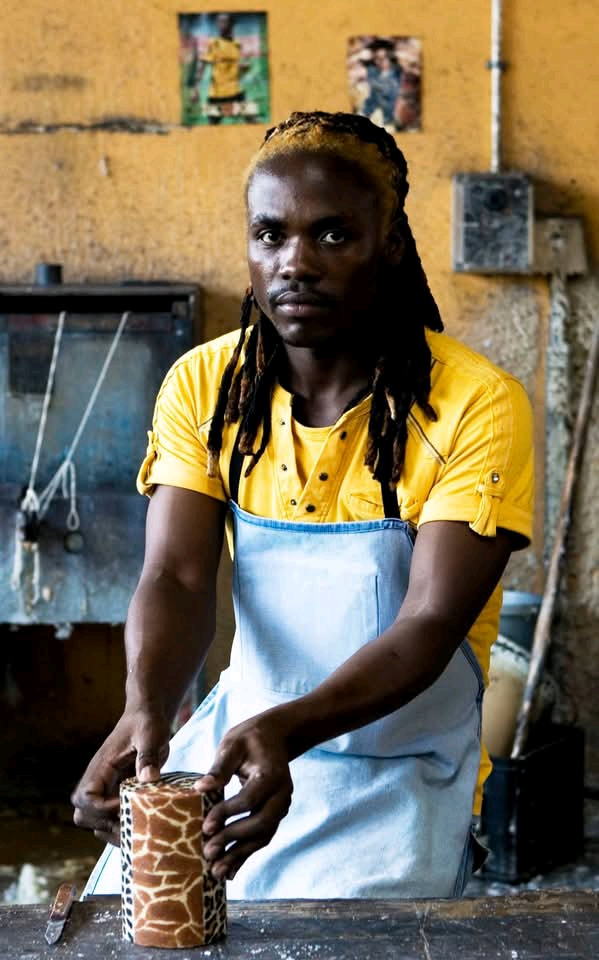
  • We’ll then make our way over to the local craft markets where artisans produce handmade goods such as beadwork, carved wooden items, woven baskets, textiles, and candles. Here’s your best chance of grabbing some unique souvenirs!
  • Return to Mlilwane Wildlife Sanctuary for a sunset horseback safari. We’ve already explored parts of the reserve, but riding through the open grassland and bush trails offers a completely different experience.
  • Dinner is back at the sanctuary, followed by a relaxed evening.
  • Overnight at Mlilwane Wildlife Sanctuary.

Day 3 – Hlane Royal National Park

Morning

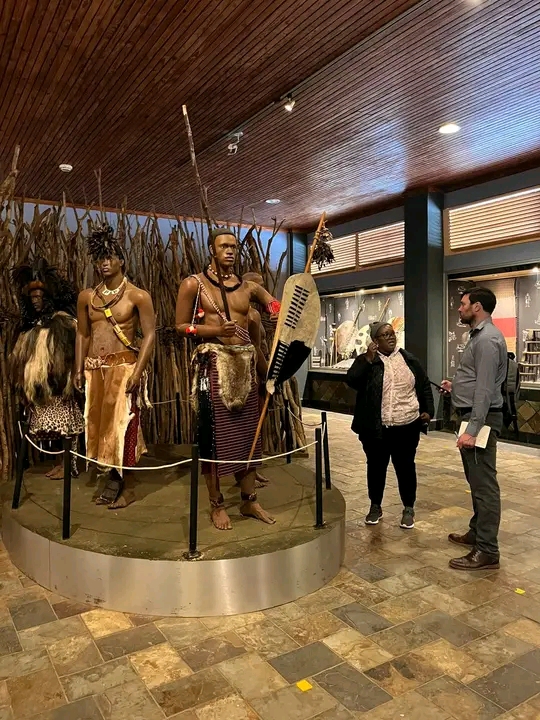
  • After breakfast, we check out and head back through Lobamba for a visit to the National Museum of Eswatini. This small but interesting museum gives a clear overview of the country’s important royal history, cultural traditions, and journey towards its independence.
  • We then continue east to Hlane Royal National Park, a wilderness area known for its open savannah and conservation efforts, especially for protecting its rhinos.
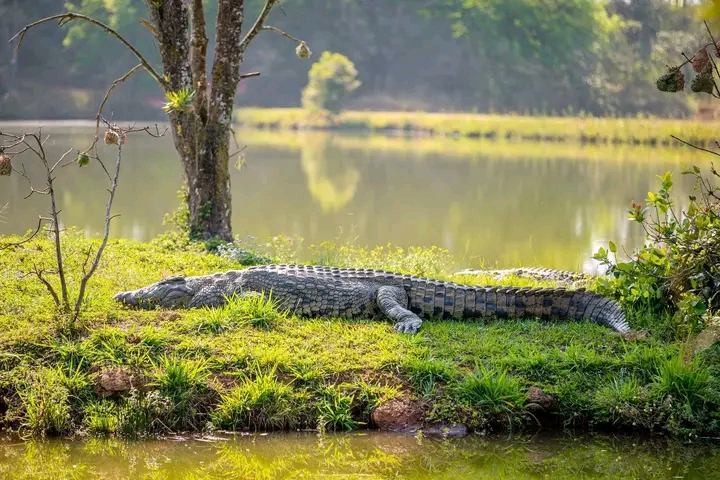
  • On arrival, we switch to open 4×4 safari vehicles and head straight into the park. The landscapes you’ll be met by are wide grasslands, acacia trees, and waterholes that attract all sorts of wildlife. This is the perfect opportunity for close-up encounters with elephants, giraffes, and maybe even some lions resting in the shade during the heat of the day.

Afternoon

  • Lunch is at the park restaurant overlooking a busy waterhole. It is not unusual to see warthogs, antelopes, or even elephants passing by while you are sitting down for lunch!
  • Afterwards, we’ll continue deeper into the park for another game drive until sunset.
  • We’ll drive back and settle into our lodge.
  • Dinner will be enjoyed outdoors, with grilled meats and simple local dishes.
  • Overnight at the lodge in Hlane Royal National Park.

Day 4 – Ezulwini Valley

Morning

  • It’ll be another early start with a sunrise safari. This is the best time to see the predators active before the heat of the day.
  • After breakfast back at the lodge, we continue exploring the park, focusing on rhino tracking. Hlane is home to some of the most important conservation work for rhinos in the region, which we will be learning more about on today’s safari.

Afternoon

  • Lunch is at the park restaurant.
  • We then begin our journey back towards the Ezulwini Valley, passing rural landscapes, small settlements, and mountain views along the way.
  • Arriving back in the valley, the afternoon is free to relax, swim, or enjoy the lodge surroundings before our final evening together.
  • We’ll then enjoy our last dinner feast around the bonfire, with drinks afterwards.
  • Overnight in Ezulwini Valley.

Day 5 – Eswatini

Morning

  • Breakfast at the lodge before transferring back to the airport for onward flights.
  • Tour concludes.

Bespoke Tours to Eswatini

As well as our scheduled Eswatini tours, we can also arrange bespoke itineraries based on your interests. Get in touch if you want something more specialized!

Mbabane City Tours

Explore Eswatini’s capital city located in the scenic mountain valley, with visits to busy local markets and small shops selling fresh produce, crafts and traditional medicines, offering a close look at everyday city life. See important government buildings and learn about the country’s history and how Mbabane developed as the center of todays Eswatini.

Malolotja Hiking & Canopy Tours

Explore one of Eswatini’s most scenic mountain reserves with hikes through the highland trails, valleys, and waterfalls. Here you also have the option for a canopy tour with ziplines over the forested gorges if you’re feeling extra adventurous.

Overnight Bushman Cave Trail Experience

Explore ancient San trails by hiking through remote wilderness and visiting rock art sites. This is camping the Eswatini way, spending the night in a basic cave or bush camp with dinner around the fire and complete isolation in nature!

Eswatini Village & Overnight Homestead Experience

An overnight stay in a traditional Swazi homestead, offering insight into rural daily life. Learn about traditional family structure, food, farming, and customs still used today. Share meals with a local family, take part in daily activities, and experience everyday life in Eswatini.

Historical Eswatini Tours

Focus on Eswatini’s history from early settlements and monarchy to colonial influence and journey towards independence. Explore different cultural sites in Lobamba, the National Museum, and Ngwenya Mine, one of the oldest mining sites in the world. This is the best way to understand how Eswatini developed into the country it is today.
Filming in Eswatini

Through our media arm Pioneer Media, YPT can arrange filming and production support in Eswatini, including access, logistics, and local coordination for documentaries and travel content. Contact us for more details.

Frequently ask Questions about travel to Eswatini

  • Is it called Swaziland or Eswatini?

    Accordion SaThe country officially changed its name from Swaziland to Eswatini in 2018. “Eswatini” is the official name used by the government and internationally, while “Swaziland” is still commonly used as well. The name means “land of the Swazis” in siSwati, the national language.

  • What is the best time to visit Eswatini?

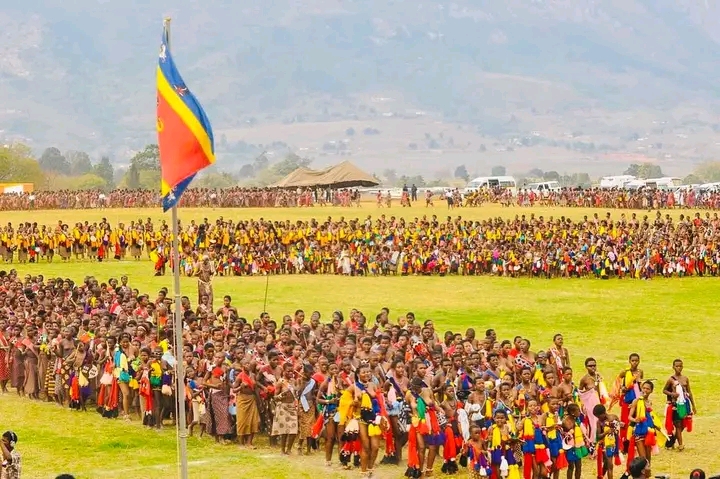
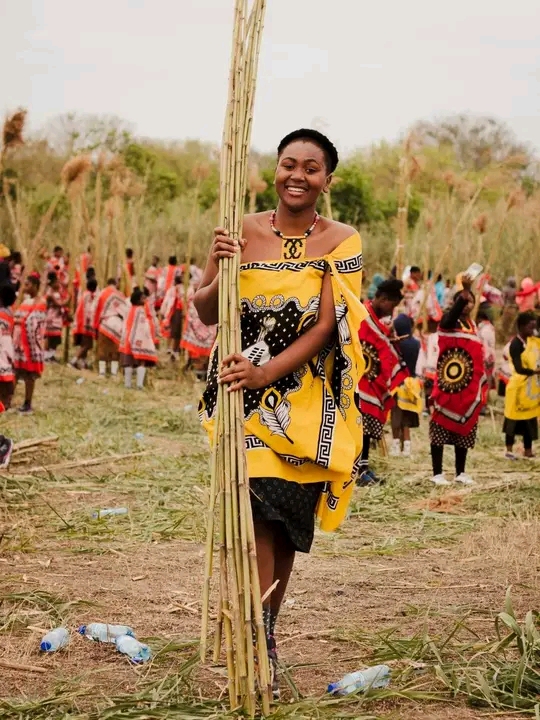
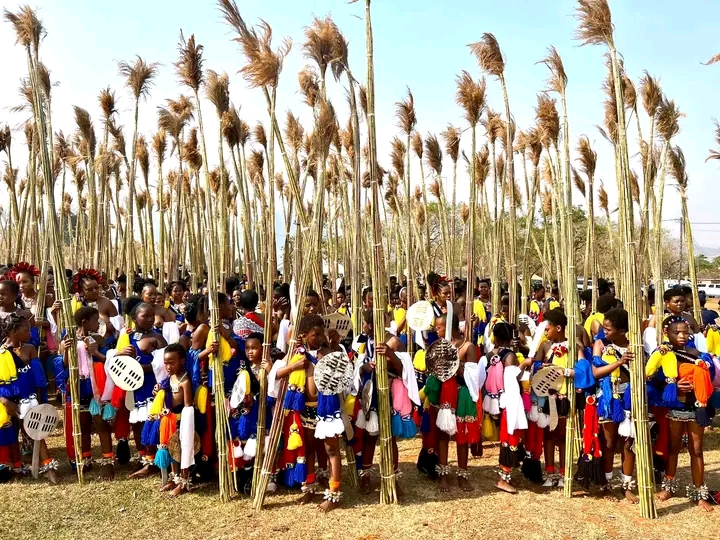
    Eswatini can be visited year-round. The dry season from May to September generally offers cooler temperatures and better wildlife viewing conditions. The wet season from October to April brings greener landscapes and more dramatic scenery. The highlight many visitors come for, Umhlanga Reed Dance Festival, usually takes place around late August or early September, depending on the year.

  • What language is spoken in Eswatini?

    Eswatini has two official languages: siSwati and English. English is widely spoken in towns, hotels, and tourism settings, while siSwati is commonly used in everyday life, particularly in rural areas.

  • What currency is used in Eswatini?

    The official currency is the lilangeni (SZL), which is fixed at parity with the South African rand (ZAR). South African rand is widely accepted throughout the country alongside the local currency.

  • Do I need a visa to visit Eswatini?

    Visa requirements vary depending on nationality. Many travellers can enter visa-free for short stays, while others may need to arrange a visa in advance. Entry rules can also depend on whether Eswatini is part of a wider Southern Africa itinerary, so it is recommended to check requirements before travel.

  • Is Eswatini safe for tourists?

    Eswatini is generally considered a safe and welcoming destination with a relaxed travel environment. As with any destination, standard precautions are recommended, particularly in urban areas, at night, and at border crossings.

  • What vaccinations or health precautions are recommended?

    Routine vaccinations such as tetanus, hepatitis A, and typhoid are commonly recommended. Malaria risk exists in some lower-lying parts of the country, particularly in the eastern regions, so preventive measures may be advised depending on your itinerary. Travellers should check up-to-date health advice before departure.

  • What is the national dish of Eswatini?

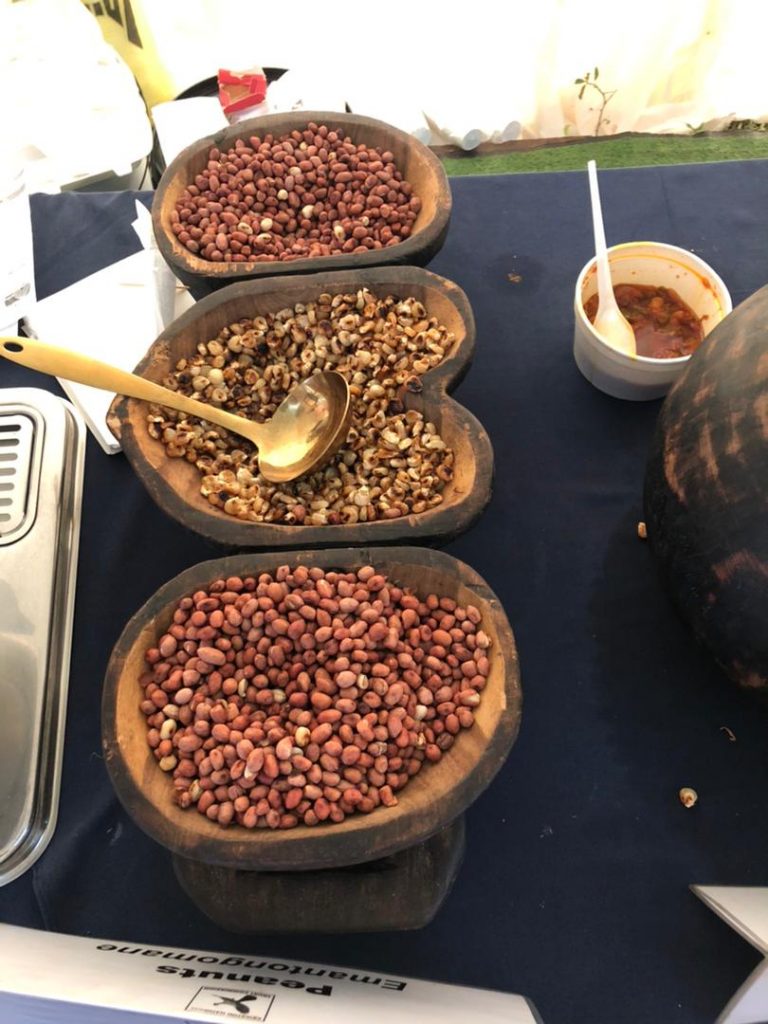
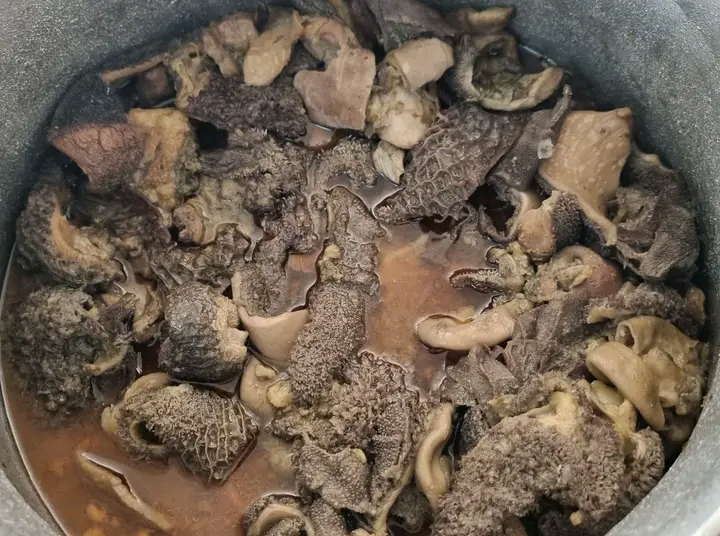
    Eswatini does not have an official national dish, but traditional cuisine is based around maize and locally available ingredients. Common dishes include sishwala, a thick maize porridge often served with meat, vegetables, or stew, along with grilled meats and home-style rural cooking.

  • Is Eswatini easy to travel as a vegetarian?

    Vegetarian options are available, especially in towns, lodges, and tourist areas. Meals typically include vegetables, rice, beans, salads, and maize-based dishes. In more rural areas, choices may be more limited, but dietary needs can often be accommodated with advance notice.

  • Can you drink alcohol in Eswatini?

    Yes, alcohol is legal and widely available in hotels, restaurants, and bars, particularly in urban and tourist areas such as the Ezulwini Valley. Availability may be more limited in rural regions.

  • Is Eswatini safe for LGBTQ+ travellers?

    Eswatini is a socially conservative country, and attitudes may vary, particularly outside urban and tourism-focused areas. Travellers are advised to be mindful of local cultural norms and behave discreetly in public, as is common in many destinations in the region.

Submit your booking details

Fill out the form below, and we will be in touch shortly.

Got a questions? Let us know

Fill out the form below, and we will be in touch shortly.