
Nauru is one of the least visited countries in the world, but its presence is far greater than the proportion it occupies on the world map. In 2026, the Republic of Nauru officially changed its English name to the Republic of Naoero. This article will take you through the background and consequences of this event.


Table of Contents
From Nauru to Naoero
Nauru is a Pacific coral island nation with a land area of only around 21.1 square kilometres and a population of approximately 13,000. Although the country is small in size, it has a rich history, and the name Nauru itself is connected to its colonial history.
At the end of the 19th century, Nauru became a German colony. After the First World War, Australia, New Zealand and the United Kingdom began jointly administering Nauru. During the Second World War, Japan occupied Nauru in 1942 and forcibly relocated many local residents to other Pacific islands for forced labour.
After the WWII ended, Nauru was once again jointly administered by Australia, New Zealand and the United Kingdom. At the same time, phosphate mining on the island continued to expand, bringing Nauru enormous economic wealth, but also having a long-term impact on the local land and natural environment. Finally, after years of political development, Nauru officially became independent on 31 January 1968, becoming the sovereign Pacific island nation known as the Republic of Nauru.
The people of Nauru have always called their country Naoero in their local language. However, because outsiders could not pronounce Naoero according to their own linguistic habits, the place came to be called Nauru. After independence, Nauru continued to use Nauru as its name, and now the country has changed its name back to the original Naoero.


The Process of Name Changing of Nauru
The process of changing the country’s name from Nauru to Naoero mainly took place during the first half of 2026.
In January 2026, President David Adeang formally proposed the name change. On 12 May, the Nauruan Parliament passed a constitutional amendment supporting the change of the country’s name from Nauru to Naoero.
26 June 2026. On this day, Nauru officially notified the United Nations of the change of its name. Subsequently, international organisations and government agencies in other countries began updating their official records. The country’s international code also changed from NRU to NRO, and the term used to refer to the people of Nauru would also be adjusted from Nauruan to dei-Naoero.
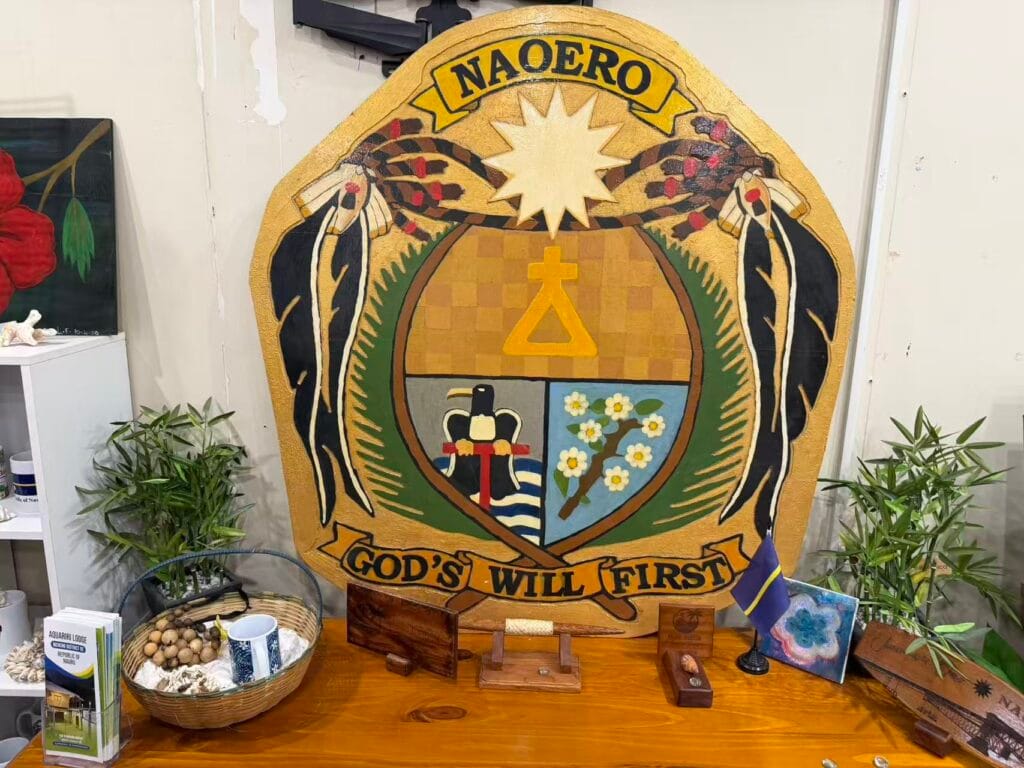
In May, the government stated that the change would still need to be approved through a national referendum. However, this plan changed in July. After further discussions, the Nauruan government concluded that a referendum was unnecessary because Naoero was already the traditional name long used by the people of Nauru and was closely connected to their cultural identity. The name had also not appeared out of nowhere, as it had always been written on the country’s coat of arms. At the end of July, the Nauruan government officially announced the name change. International media widely reported on it, and organisations including the United Nations began using Naoero.
The Significance of Nauru’s Name Change to Naoero
For us outsiders and travellers, this name change can also provide a window through which to think about and understand the country’s history. At least when we see the word Naoero, we may become curious about how the word is pronounced and why it seems so unusual. With this question in mind, we can visit the Naoero National Museum, where we can learn about the history and find the answers, and understand why cultural identity is so important to the people of Naoero today through its complex history.
Naoero is also facing the disastrous consequences of the excessive extraction of phosphate resources, as well as the challenges posed by climate change. The name change can not only strengthen a sense of identity among its people, but also provide an opportunity for a small country to increase its presence in the international community and raise deeper questions before the world about colonialism, natural resources, cultural heritage and the future of small island nations.


Conclusion
From Nauru to Naoero, this country has not suddenly become a different place because of the name change. It has simply chosen a name that its government believes better reflects the identity of its people and its historical origins.
The most direct way to experience Naoero is to travel there, but the country’s visa policy is notorious. YPT has been deeply involved in Nauru tourism for more than ten years and is an expert in travel to Nauru. Whether you want to visit the country as part of a group tour or organise a private tour, we can solve all your problems.
Click to read more about YPT’s Nauru Tours.