South Africa Tours and Travel

YPT Tours To South Africa

You might have seen the postcard already, Table Mountain over Cape Town, perfect sunsets, and safaris with lions in golden grass. But South Africa is a country of extremes, where these picture-perfect highlights sit alongside some of the world’s deepest inequality.

As the name suggests, South Africa is located at the very southern tip of Africa. It has 11 official languages spread across many different ethnic groups and cultures, and landscapes that shift quickly from coast to desert. But it is also shaped by a difficult past from colonial conflict to apartheid, one of the most rigid systems of racial segregation ever created. Its effects are still visible today in how cities are structured and how people live.

While Cape Town is often said to be one of the world’s most beautiful cities, just beyond Table Mountain are townships marked by poverty and inequality as a result of apartheid. Johannesburg tells a different story again, built on gold and economic power, but also marked by high levels of crime and inequality.

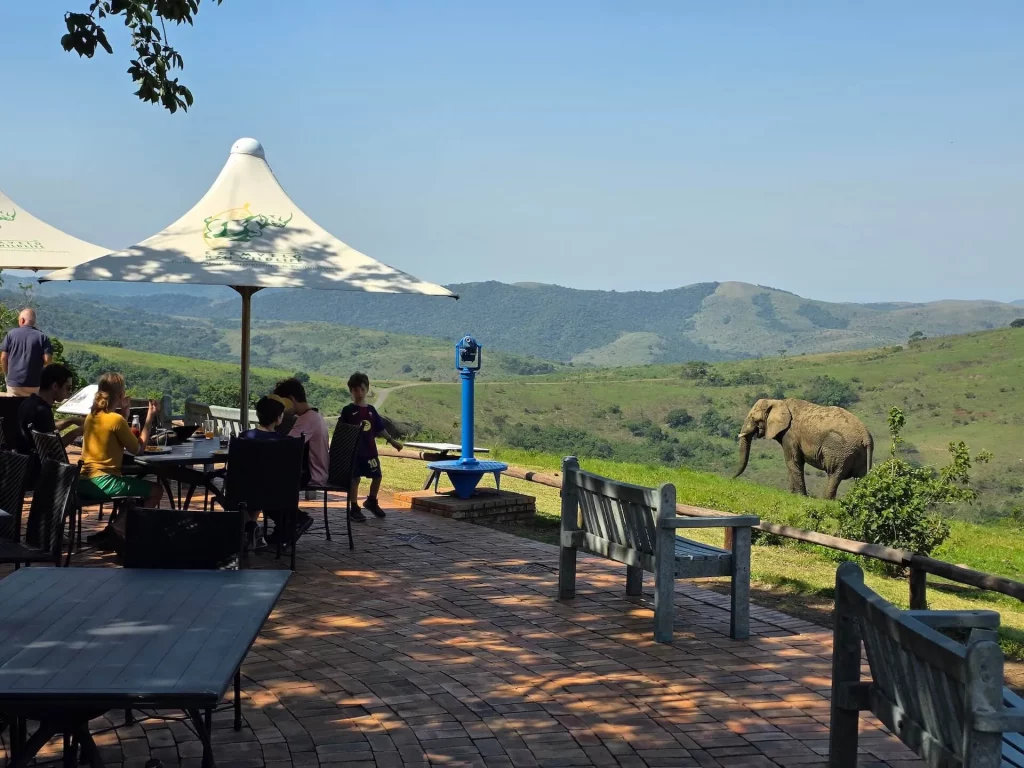
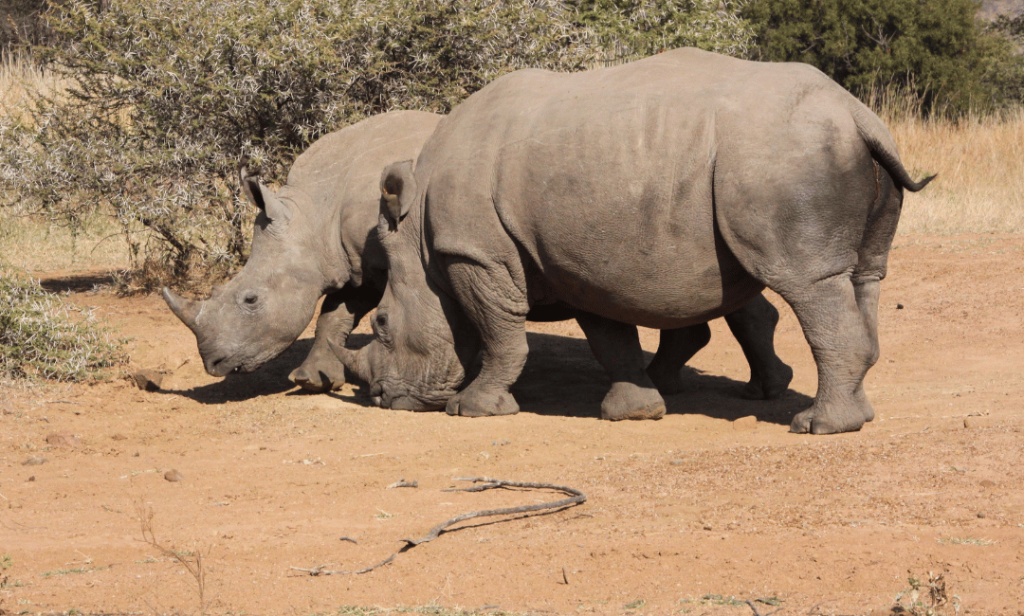
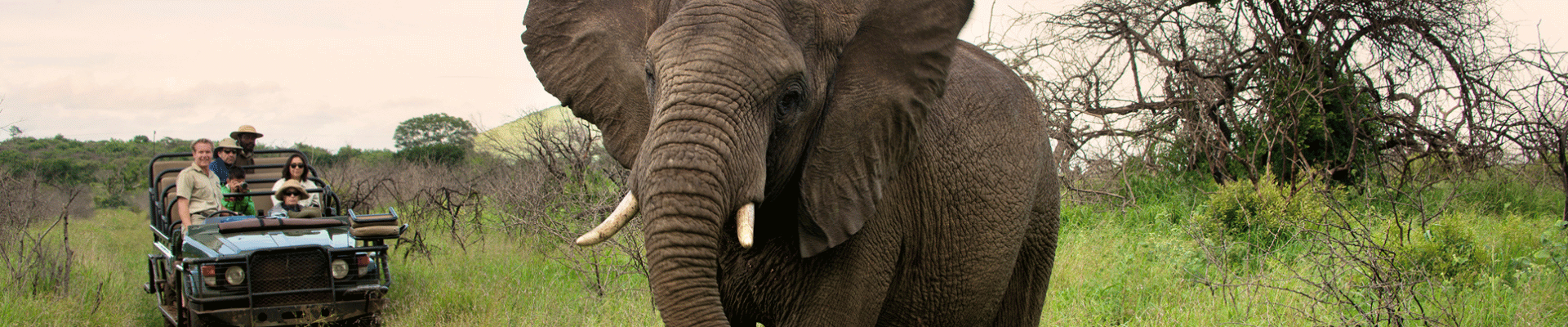
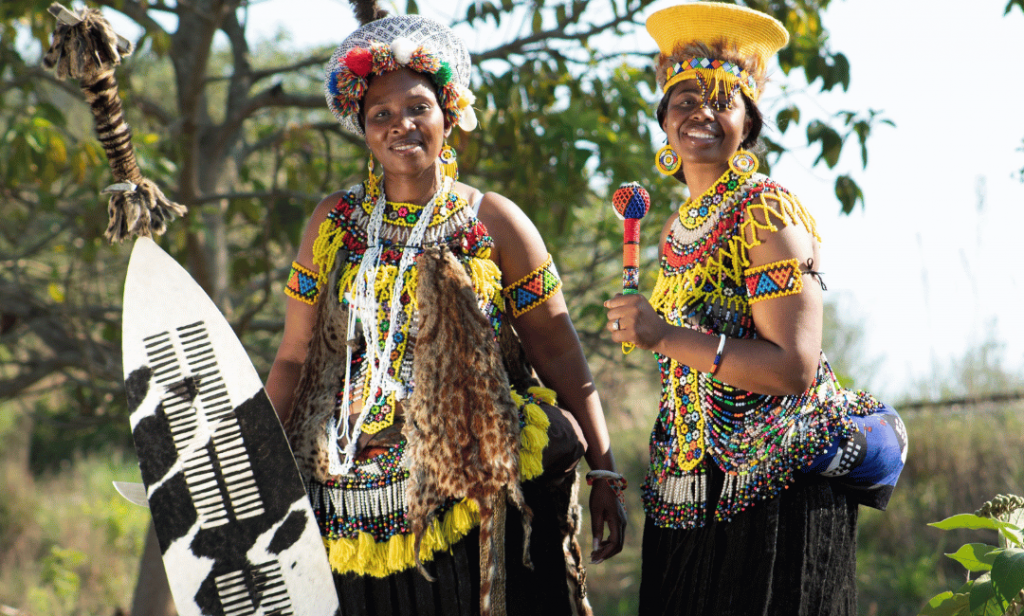
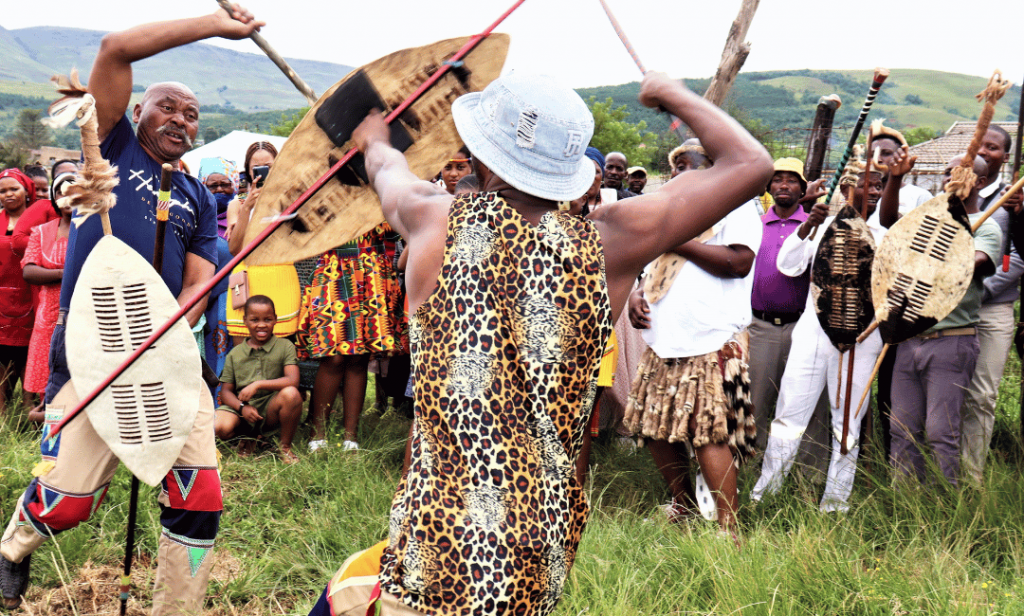
Long before modern politics, the region was shaped by powerful African kingdoms such as the Zulu. Beyond the cities, South Africa is also one of the best places in the world to see wildlife, including the famous Big Five.

Group Tours To South Africa

Currently we’re offering the following group tours to South Africa for 2026 and 2027. We’re planning on adding more tours – keep watching this page and our social media to get all the news.

No results found.

Independent Tours
To South Africa

We understand that it’s not always feasible to join our scheduled group tours or that you like a more in-depth experience. We can thus offer bespoke tours to South Africa and arrange everything you require for an independent tour.

Example South Africa Tour Itinerary

Day 1 – Johannesburg

Morning

  • Arrive at OR Tambo International Airport in Johannesburg at your own convenience. The airport has connections from all around the world, including London, Dubai, Doha, Istanbul, Addis Ababa, Nairobi, Cape Town, and Durban.
  • Meet your guide on arrival and begin the trip into South Africa.
  • Transfer to your centrally located hotel in Johannesburg, a city shaped by strong inequality, migrant labour, and segregation from apartheid. We’ll pass by wealthy suburbs and extreme poverty side by side on our drive.
  • Check in to the hotel, relax, and freshen up.
  • In the evening, we go out for dinner at a local restaurant in Johannesburg serving grilled meat, stews, pap, and simple sides. These are all common everyday dishes here in South Africa, and a perfect first taste of the cuisine.
  • Overnight at our hotel in Johannesburg.

Day 2 – Johannesburg

Morning

  • Breakfast at the hotel.
  • The first stop on our Johannesburg tour will be at Constitution Hill, a former prison used during apartheid. Many political prisoners were held here under laws that controlled movement and daily life. The site also includes old court buildings where these laws were enforced.
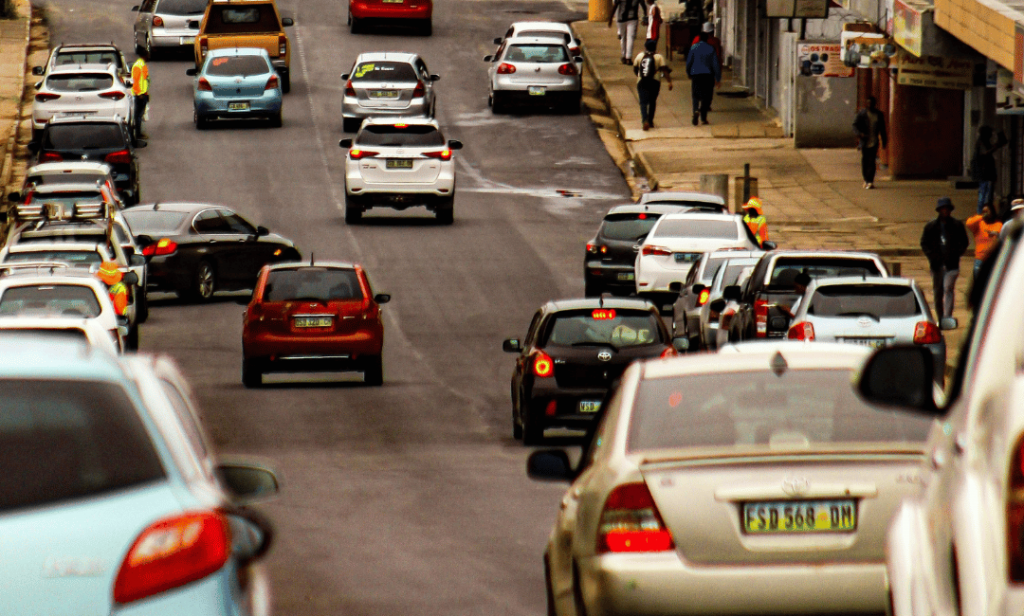
  • We continue through central Johannesburg. Here you’ll see even more of the clear division between rich and poor areas, with gated zones, high security zones, crowded simple settlements, and street markets often only a few blocks apart.

Afternoon

  • Lunch at a local restaurant serving simple South African food.
  • Next, we head to Soweto, the largest township in South Africa. It was created when Black residents were forcibly moved out of central Johannesburg during apartheid.
  • We drive through Orlando West and nearby areas, with stops along the way to see key sites linked to apartheid. This area was a major center of protest and political violence. You will see dense housing, small street shops, and busy local streets where people live and work side by side.
  • In the late afternoon, we’ll return to Johannesburg.
  • Dinner at a well-known local restaurant in town, before we head out to explore the South African nightlife.
  • Overnight in Johannesburg.

Day 3 – East Rand

Morning

  • Today we’ll travel into the East Rand mining belt. This area was built around gold mining during apartheid in South Africa.
  • We’ll pass both active and closed mines, old shafts, and large waste dumps. Some sites are still operating, while others are abandoned or slowly collapsing.
  • We’ll visit old mining towns where workers lived in company housing and controlled settlements, often separated by race during apartheid. You’ll see how these towns were designed around the mines, with strict access and harsh working conditions being part of daily life.

Afternoon

  • Lunch at a roadside workers’ diner used by miners and truck drivers, giving a direct look at everyday life in the mining belt. Simple meals like grilled meat, chips, and stew are common here.
  • We continue through industrial zones with factories, rail lines, and logistics areas that support the mining industry. You will see a mix of active operations and abandoned sites from past mining activity.
  • We also pass areas linked to labour strikes and protests by mine workers during and after apartheid. These events played an important role in shaping South Africa’s modern labour rights movement and political change.
  • Late afternoon, we return to Johannesburg.
  • Dinner back in Johannesburg, and further exploration of the South African nightlife for those interested!
  • Overnight in Johannesburg.

Day 4 – Free State

Morning

  • Breakfast at the hotel.
  • Today we’ll leave Johannesburg and drive into the Free State, a major farming province located 3-4 hours outside of Johannesburg. The province reflects clear differences in land ownership and wealth between large commercial farms and smaller rural settlements.

Afternoon

  • Lunch in a small roadside town restaurant along the way, used by locals, farmers, and truck drivers passing through.
  • After lunch and a quick stretch out, we’ll continue through the rural farming areas and small Free State towns.
  • Late afternoon, we’ll arrive at our lodge in the Free State, located in a quiet rural setting surrounded by farmland.
  • Here we’ll check in and have some time to relax in the peaceful surroundings after a long day on the road.
  • Dinner at the lodge with simple home-style South African food, made using fresh produce and ingredients sourced from nearby farms, alongside grilled meat, vegetables, and other local staples.
  • Overnight at our lodge in the Free State.

Day 5 – KwaZulu-Natal

Morning

  • For early risers, there is an optional sunrise watch over the Free State farmland, offering wide open views over the agricultural landscape.
  • We’ll enjoy a relaxed breakfast at the lodge.
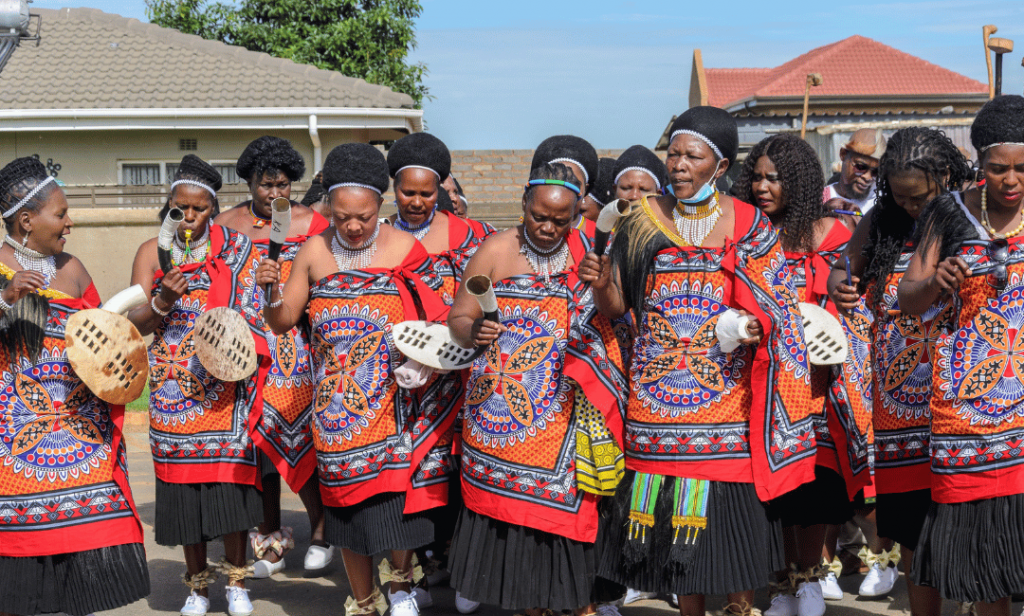
  • After breakfast, we begin the drive towards KwaZulu-Natal, a province shaped by Zulu cultural heritage and rural communities. The Zulu are one of South Africa’s major ethnic groups, and this is one of the best regions in the country to experience their cultural landscape and everyday rural life.
  • Along the way, we pass areas affected by political violence in the 1980s and 1990s, still affecting parts of KwaZulu-Natal today. We’ll make a stop at the Blood River, locally known as the Ncome River Battlefield site, one of the most significant historical conflict sites, offering insight into layered conflicts.

Afternoon

  • Next, we’ll visit a traditional Zulu homestead, where we are introduced to everyday rural life, homestead structure, and Zulu customs and traditions.
  • We will have lunch at the homestead with the local family, where you can sample traditional Zulu favourites.
  • After the visit, we’ll continue towards Durban, the largest city in KwaZulu-Natal and a major Indian Ocean port city shaped by trade, migration, and industry.
  • We’ll be arriving in the late afternoon and check into our centrally located hotel.
  • Dinner will be at a local restaurant in Durban serving fresh seafood.
  • Overnight in Durban.

Day 6 – Durban 

Morning

  • Breakfast at the hotel.
  • We begin our Durban city tour at the KwaMuhle Museum, where we’ll learn more about Durban’s apartheid-era history, including city segregation, the pass system used to control African labour, and how surrounding townships developed as a result.
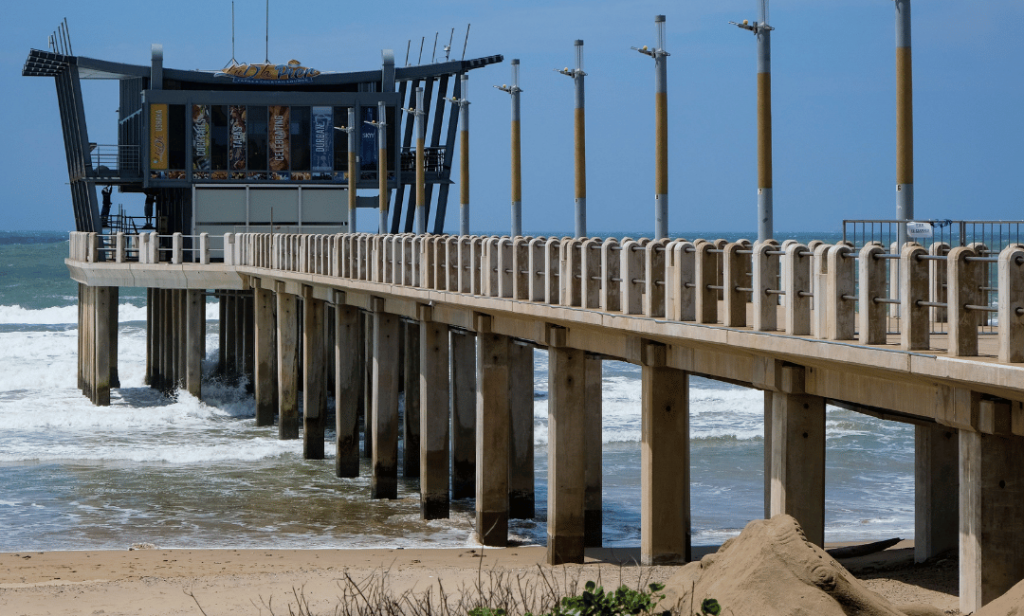
  • We then continue to the Golden Mile beachfront, the city’s main coastal strip with long sandy beaches, surf spots, and the main promenade used by both locals and visitors.
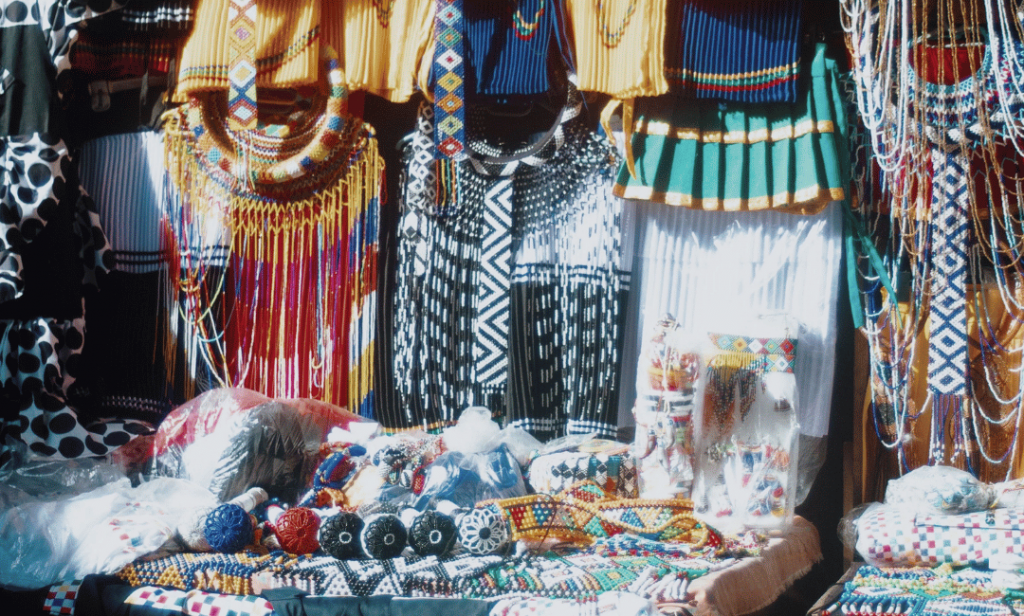
  • Next, we’ll visit the Victoria Street Market, a busy indoor market selling spices, food, clothing, and crafts, reflecting Durban’s strong Indian and African cultural mix. Time to pick up some souvenirs to bring back home!
  • We then pass uShaka Marine World and the harbour area, where the beachfront meets Durban’s busy working port, one of Africa’s largest shipping hubs. We also drive through the CBD (central business district), where shops, markets, and transport hubs show everyday city life in Durban.

Afternoon

  • Lunch at a township shisa nyama, a local eatery where you choose your meat and it is grilled over open fire on the spot, usually served with pap (maize porridge), salads, and simple sides in a casual local dining setting.
  • We then visit the Berea, a famous Durban viewpoint, looking over the city and harbour in Durban, as well as the coastline and beachfront.
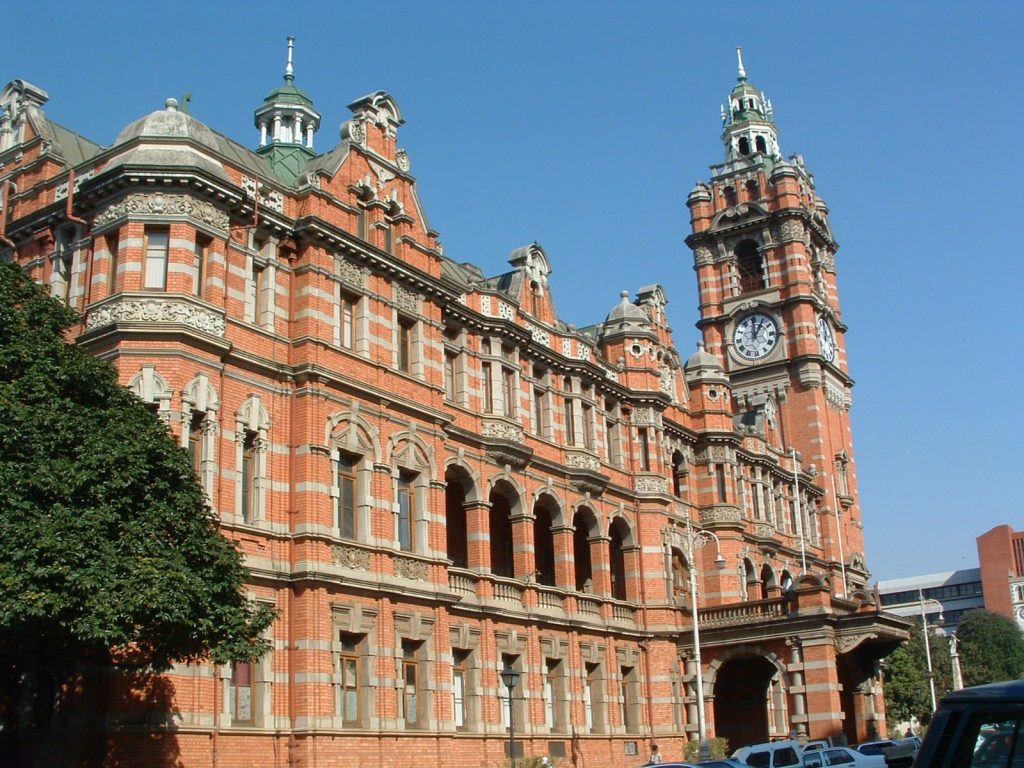
  • We continue to the Durban City Hall area, one of the city’s most iconic colonial-era buildings and public squares, built during British colonial rule when South Africa was part of the British Empire.
  • In the evening, we’ll enjoy our last dinner of the tour at a local restaurant located on the coast. Watch the sun go down on the horizon as we do one last toast for our South African adventure.
  • Overnight in Durban.

Day 7 – Departure

Morning

  • Breakfast at the hotel.
  • Transfer to the airport for onward travel.
  • Tour concludes.

Bespoke Tours to South Africa

We can also arrange bespoke itineraries based on your interests. From liberation struggle history and former apartheid homelands to battlefields, mining towns and some of Africa’s most important political sites, South Africa offers far more than safaris and wine estates. Many of these tours combine perfectly with neighbouring countries such as Lesotho, Eswatini and Mozambique. Get in touch and we’ll help create the perfect South African adventure!

Apartheid & Liberation Struggle Tours

Explore the events that shaped modern South Africa through visits to Soweto, Sharpeville, Constitutional Hill, Liliesleaf Farm and other important locations connected with the struggle against apartheid. Learn about the country’s recent history and how this period still shapes South Africa today.

Nelson Mandela Tours

Follow the life and legacy of Nelson Mandela from Johannesburg to Cape Town and Robben Island. Learn more about South Africa’s transition to democracy and visit locations connected to one of the most influential political figures of the twentieth century.

Former ‘Independent’ Territories Tours

One of our most unusual South African experiences. Visit the former Bantustans of Transkei, Bophuthatswana, Venda and Ciskei while learning about apartheid’s attempt to create separate states. Explore former capitals, government buildings and communities still shaped by this history today.

Zulu Kingdom & Battlefield Tours

Travel through KwaZulu-Natal and discover the rise of the Zulu Kingdom, the Anglo-Zulu War and some of Africa’s most famous battlefields. Visit places such as Isandlwana, Rorke’s Drift and Ulundi while learning about one of southern Africa’s defining historical periods.

South Africa Cold War Tours

South Africa played an important role during the Cold War in southern Africa. Explore the country’s military history, the Border War and regional conflicts that helped shape modern Southern Africa.

Diamond & Gold Rush Tours

Follow the discoveries that transformed South Africa into Africa’s industrial powerhouse. Explore Kimberley, Johannesburg and historic mining settlements while learning how diamonds and gold reshaped the economy, politics and growth of the country.

Boer Republics & Anglo-Boer War Tours

Discover the history of the Boer republics and the conflict that helped define modern South Africa. Visit battlefields, memorials, former capitals and sites connected to one of the British Empire’s largest colonial wars.

South African Railways Tours

Experience South Africa by rail while exploring historic stations, mining routes and scenic railway corridors. Learn how the railway network helped connect and develop the country across huge distances.

Safari Tours

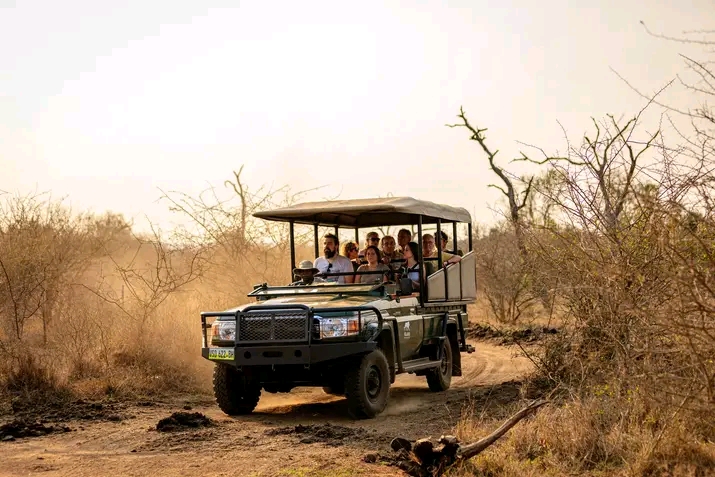
Explore South Africa’s national parks and private game reserves in search of the Big Five. Travel through places like Kruger and other wildlife areas while learning about conservation and how people and animals share the land. Expect early morning game drives, long drives through open wilderness, and chances to see lions, elephants, rhinos, leopards and buffalo in the wild.

Wineyard Tours

Visit the wine regions of the Western Cape, including Stellenbosch and Franschhoek, to see one of South Africa’s most famous industries. Learn how wine production started during the colonial period and how it is still important today. Travel through valleys and small farming towns while trying local wines and seeing the contrast between luxury farms and surrounding rural areas.

Cape Town History Tours

Cape Town is one of Africa’s most historically important cities. Explore Robben Island, District Six, the Castle of Good Hope and other important sites that tell the story of colonialism, apartheid, resistance and modern South Africa.
Filming in South Africa

Through our media arm Pioneer Media, YPT can arrange filming and production support in South Africa, including access, logistics, and local coordination for documentaries and travel content. Contact us for more details.

Frequently ask Questions about travel to South Africa

  • What is the best time to visit South Africa?

    South Africa is a year-round destination, but the best time depends on what you want to see. The dry winter months from May to September are generally considered best for safari, as wildlife gathers around water sources and vegetation is thinner. For Cape Town and the coast, summer from November to March offers warm temperatures and long days.

  • What language is spoken in South Africa?

    South Africa has eleven official languages, making it one of the most linguistically diverse countries in the world. English is widely spoken and commonly used in tourism, business and everyday travel, alongside languages such as Zulu, Xhosa and Afrikaans.

  • What currency is used in South Africa?

    South Africa uses the South African Rand (ZAR). Cards are widely accepted across the country, although carrying some cash can still be useful in smaller towns, local markets and rural areas.

  • Do I need a visa to visit South Africa?

    Visa requirements depend on nationality. Many travellers, including citizens of the UK, EU, US and several other countries, can enter visa-free for short stays. Other nationalities may require a visa in advance, and YPT can assist with guidance for our travellers where needed.

  • Is South Africa safe for tourists?

    South Africa is a popular tourist destination and most visits are trouble free, but visitors should take normal precautions. Petty crime can occur in cities, especially after dark, so it is recommended to stay aware of your surroundings, avoid displaying valuables and follow local advice.

  • What vaccinations or health precautions are recommended?

    Routine vaccinations such as tetanus, hepatitis A/B and typhoid are commonly recommended. Malaria precautions may also be advised when visiting some safari regions in the northeast of the country, although most major tourist areas including Cape Town and Johannesburg are low risk.

  • What is the national dish of South Africa?

    South Africa does not have one official national dish, but popular favourites include braai (South African barbecue), bobotie, boerewors sausage, bunny chow and biltong. Food reflects the country’s mix of African, European and Asian influences.

  • Is South Africa easy to travel as a vegetarian?

    Yes, South Africa is generally easy for vegetarians to travel in, especially in larger cities. Restaurants commonly offer vegetarian and vegan options, including curries, grilled vegetables, salads and local meat-free dishes.

  • Can you drink alcohol in South Africa?

    Yes, alcohol is widely available across South Africa in restaurants, bars and shops. South Africa is also well known for its wine regions around Cape Town and local craft beer culture.

  • Is South Africa safe for LGBTQ+ travellers?

    South Africa is generally considered one of the most LGBTQ+ friendly countries in Africa and was the first country on the continent to legalise same-sex marriage. Major cities such as Cape Town and Johannesburg are particularly open and welcoming, although attitudes can be more conservative in some rural areas.

Submit your booking details

Fill out the form below, and we will be in touch shortly.

Got a questions? Let us know

Fill out the form below, and we will be in touch shortly.