
Despite being small in stature and surrounded by hostile states, Lesotho has managed to retain its independence within southern Africa. Formerly an absolute monarchy like nearby Swaziland, it is now technically at least of the constitutional persuasion.
This though far from tells the whole story as the government system of Lesotho has changed an awful lot in circumstances that at best could be called unstable.
So, what is the current government system of Lesotho?
Table of Contents
What the Lesotho?
Lesotho traces its origins to King Moshoeshoe I, who united various Sotho clans during the chaos of the early nineteenth century as the Zulu Mfecane reshaped southern Africa. From his mountain stronghold at Thaba Bosiu he successfully resisted repeated attacks from rival African groups and later on the Dutch Boers. Eventually Moshoeshoe sought British protection, leading to Basutoland becoming a British protectorate in 1868. Unlike many African territories, Basutoland was administered separately rather than being absorbed into neighbouring South Africa, something that would prove very useful later!
During the colonial years Britain invested little in the territory, with much of the economy relying on men travelling to work in South African mines. Basutoland finally achieved independence as the Kingdom of Lesotho on 4 October 1966, retaining King Moshoeshoe II as and almost absolute monarch.
Click to read why Lesotho is not part of South Africa.
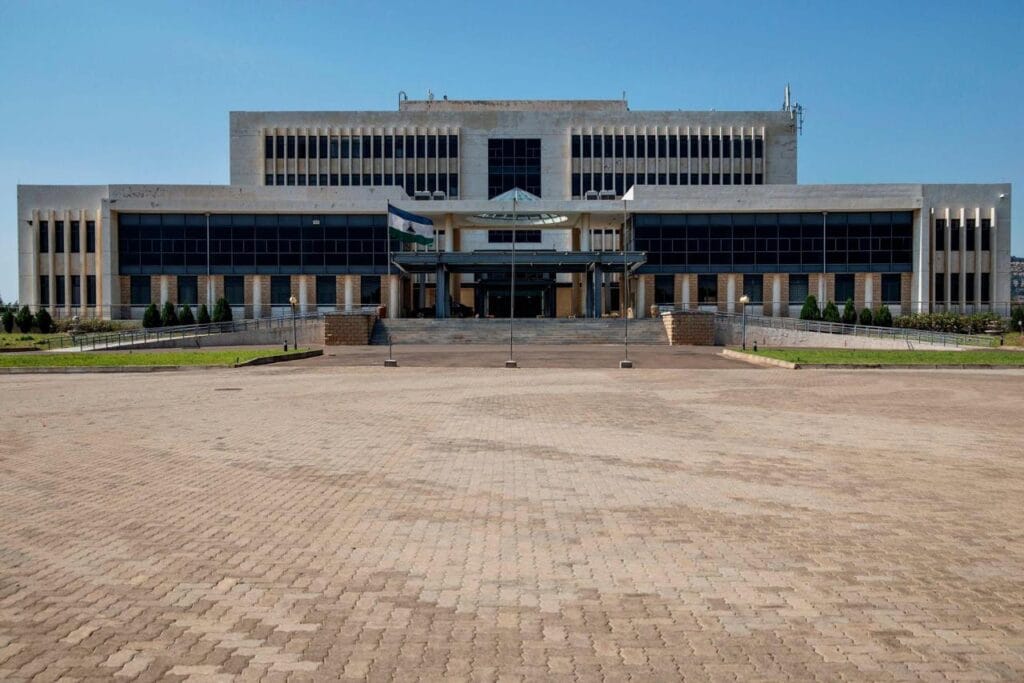
Coups and Coalitions
Independence did not exactly bring stability. The Basotho National Party refused to hand over power after losing the 1970 election, suspended the constitution and effectively ruled by decree. Military coups followed during the 1980s, with the armed forces regularly interfering in politics while relations with apartheid South Africa remained #complicated. Democracy officially returned during the 1990s, but elections have often been followed by disputes, protests and coalition bargaining.
Since 2012 no single party has managed to dominate politics for long, meaning governments frequently collapse and new alliances emerge. It has become something of a national joke that prime ministers rarely get to finish a full term before another political crisis appears and the government again changes.
The Current Government System of Lesotho
Lesotho is a constitutional monarchy operating under the 1993 Constitution. Executive power is exercised by the Prime Minister and Cabinet, with the King acting as a largely ceremonial Head of State. Parliament consists of two chambers, the National Assembly has 120 members elected through a mixed electoral system combining constituency seats with proportional representation, while the Senate is made up mainly of hereditary principal chiefs alongside members appointed by the King on the advice of the Prime Minister. In this respects it is a bit like the House of Lords in the UK.
The judiciary operates independently, although politics has frequently tested constitutional boundaries. In practice the Prime Minister runs the country, while the King’s role is largely symbolic and based around national unity rather than day to day government, very unlike Eswatini!
The Main Players in Lesotho
So, who are the big dogs in Lesotho? Technically at least the King is just a figurehead, while day to do business is done by the PM. This is a role that tends to change a lot.
Government is of the multiparty democracy ilk, although is dominated by often weak coalitions.
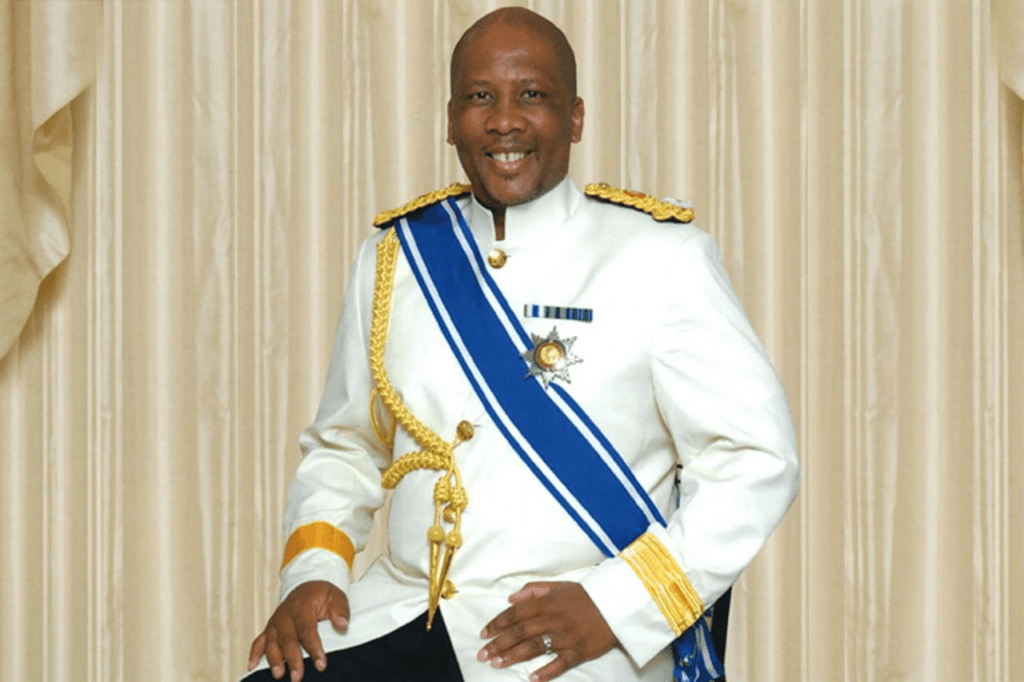
King Letsie III
King Letsie III has been monarch since 1996, although he first briefly came to the throne in 1990 before his father was restored. Today he serves as a constitutional monarch with very limited executive powers. His duties are largely ceremonial, although he remains an important national figure and is widely respected across the country – although not an obsessive Thai way!
Prime Minister
The Prime Minister is the head of government and holds executive authority. Following elections, the King appoints the politician most likely to command a majority in the National Assembly. The Prime Minister appoints ministers, sets government policy and effectively runs the country.
Leader of the Opposition
The current Leader of the Opposition is Mathibeli Mokhothu of the Democratic Congress (DC). A former Deputy Prime Minister, he led the Democratic Congress into the 2022 election but lost to Sam Matekane and his Revolution for Prosperity. Since then he has become the main political rival to the government, regularly attacking the coalition over the economy, corruption and its handling of day to day affairs. Decent chance he will be the next PM!
Revolution for Prosperity (RFP)
Founded by businessman Sam Matekane in 2022, the Revolution for Prosperity quickly became Lesotho’s largest political party by campaigning on economic reform, investment and tackling corruption. It currently leads the governing coalition. Despite the name, not that revolutionary.
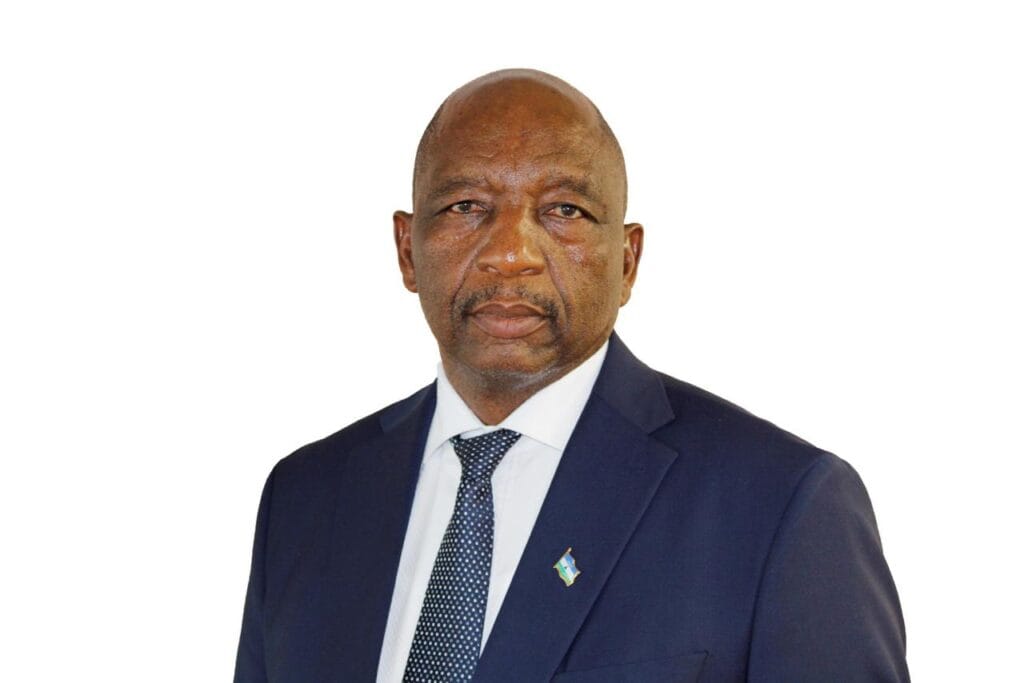
Hon. Samuel Ntsokoane Matekane. The Right Honourable Prime Minister and Minister of Defence and National Security(Photo: gov.ls)
Democratic Congress (DC)
The Democratic Congress emerged from a split within the Lesotho Congress for Democracy and has been one of the country’s dominant political forces over the last decade. It remains one of the main opposition parties.

Photo: africa-press.net
All Basotho Convention (ABC)
The All Basotho Convention was founded by Tom Thabane and led several coalition governments during the 2010s. Although no longer as dominant as it once was, it remains an important player in coalition negotiations.

Basotho National Party (BNP)
The Basotho National Party governed Lesotho during the early years after independence and was responsible for suspending the constitution following the disputed 1970 election. While now much smaller, it still holds representation in parliament and occasionally joins governing coalitions.
Lesotho Congress for Democracy (LCD)
Once the dominant force in Lesotho politics, the LCD governed for many years before internal divisions saw several breakaway parties emerge. It is no longer the powerhouse it once was but still has a bit of kudos.
What does this mean when you visit Lesotho?
While Lesotho is not that stable governmentally it is still very much a democracy with freedom of speech. This means you can talk about politics, and even the King without having to worry too much.
There is though deep respect for the monarchy, so this should always be kept in mind. Overall though this is not Eswatini, nor Thailand, it is the chilled Kingdom of Lesotho!
Click to see our Lesotho Tours.