Do I need a Visa?
If you are arriving by air, then all countries are eligible to apply for an eVisa. The only exceptions are citizens of DRC, Kenya, Rwanda, South Sudan, Tanzania, and Uganda, who can enter Burundi visa-free.
The cost of a 30-day multiple-entry visa (the standard option) is $90. Please start your application at migration.gov.bi/Apply, where you will be required to give some standard information, such as your reason for visiting and hotel details, before attaching a passport-style photo. There are reports of some teething problems with the system (it was only introduced in 2023), so apply at least 1 month in advance to allow enough time for processing.
For those entering through Burundi’s land border, the situation is less clear. The latest communiqué from the Burundian Embassy in Washington states that “visas will be obtained upon arrival at Melchior Ndadaye (Bujumbura) International Airport,” yet then states below that the eVisa can also be used “at all land borders.” Additionally, the migration website only allows for applications for the “airport entry visa.” This confusion may be down to the eVisa system being in its infancy, but we strongly recommend contacting the Burundian Embassy in your nearest country with your travel plans for further clarification. If in doubt, leave enough time to apply for a visa there, which we will be happy to assist with.
Despite being a member of the East African Community, the East African Tourist Visa is not valid for Burundi.
When is the best time to Visit?
The best time to visit Burundi is during the dry seasons – from June to September and from December to January – especially for outdoor activities and wildlife viewing. While the rainy season provides lush green landscapes, transportation becomes more difficult due to many of the county’s roads disintegrating into mud tracks.
Burundi’s climate is generally pleasant year-round due to the country being just south of the equator and largely mountainous. Daytime temperatures in Bujumbura range from 22°C to 30°C, with mild nights of between 18°C to 21°C. Gitega is at a higher elevation (1,500m) and thus has a very similar climate to neighbouring Kigali in Rwanda.
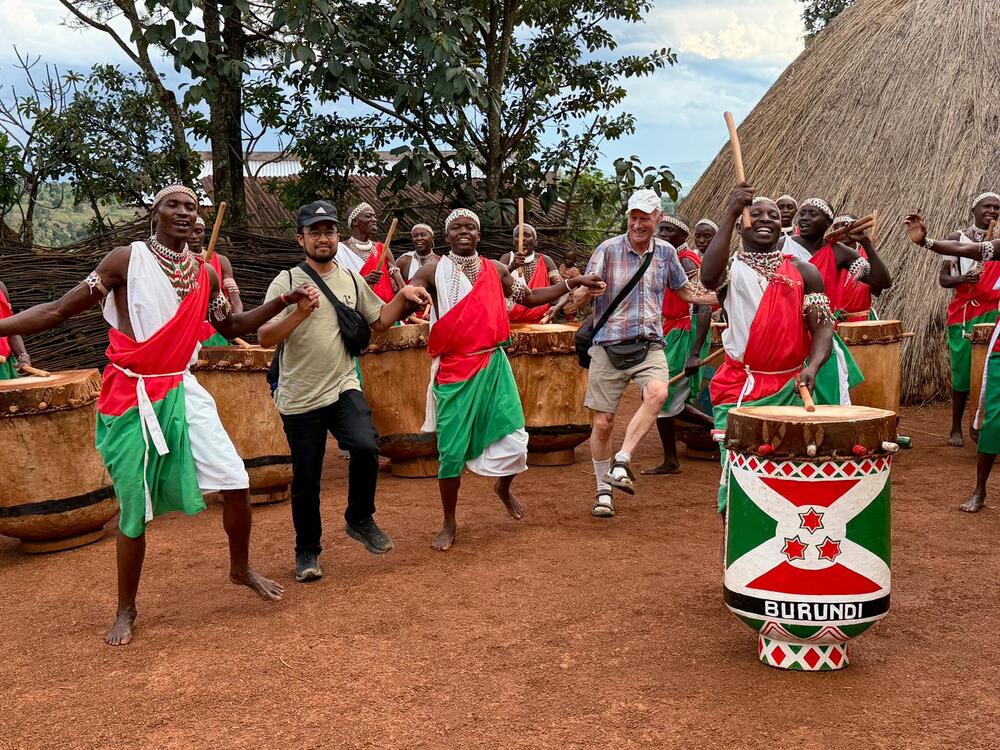
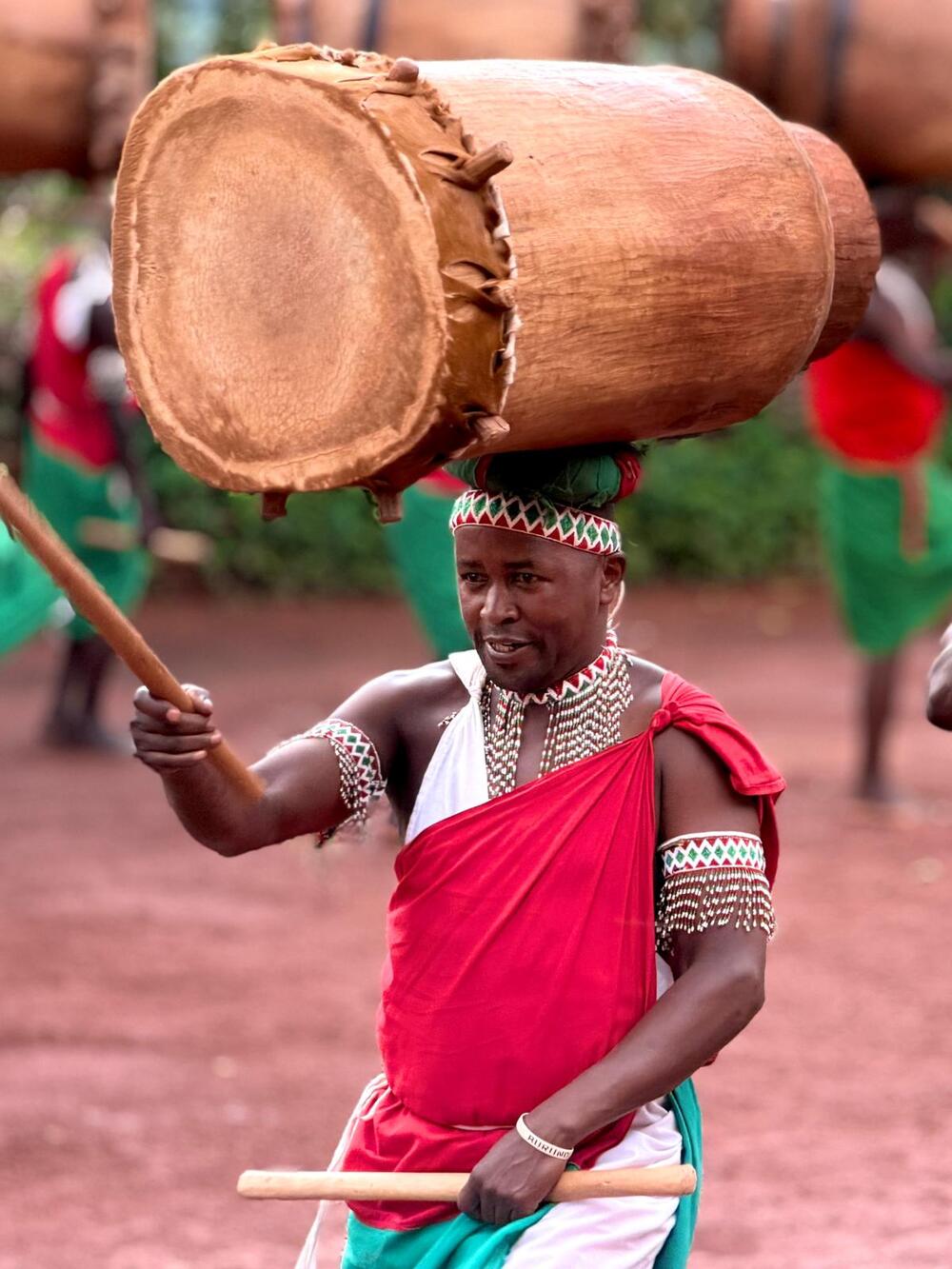
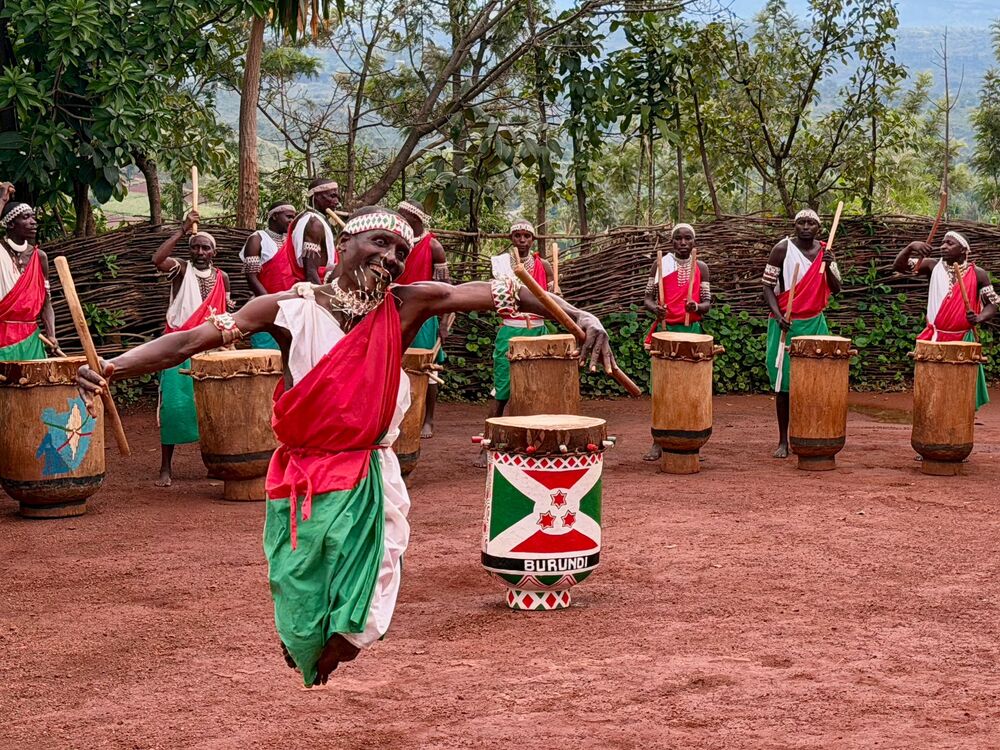
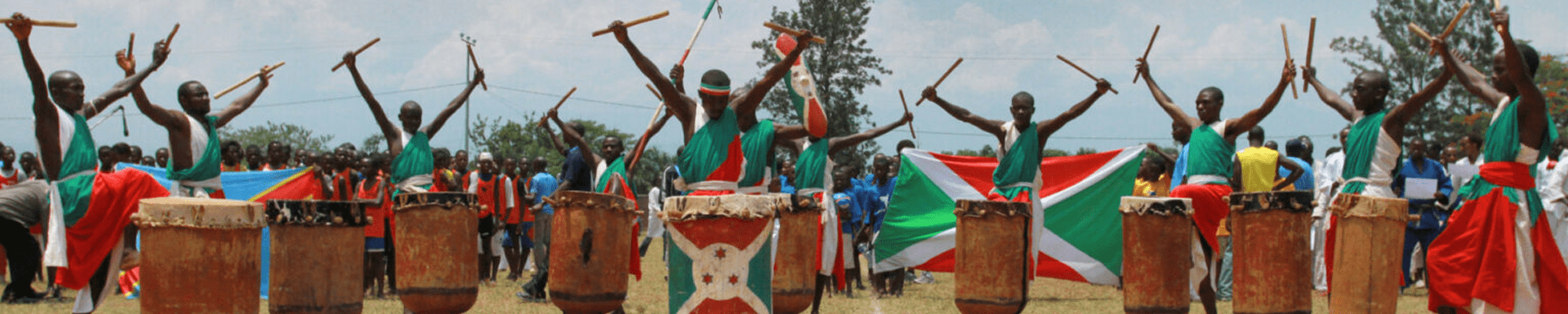
Festivals and cultural events also add to Burundi’s charm. Drumming performances in Gitega occur year-round, while Independence Day, occurring on July 1st, is a major celebration for all Burundians. Christmas and Easter are big holidays like in the rest of the Christian world.
Is it safe?
Burundi is a safe country for tourists if you take some basic precautions. Western countries, which long had “reconsider” and even “avoid all travel” warnings for Burundi have removed them in recent years. The country has been in a state of turmoil since independence and has experienced many of the same ethnic tensions as in neighbouring Rwanda. However, the country has stabilized in recent years, helped by a presidential transition in 2020. While rebel groups, mostly originating from DRC, do exist in more remote areas of the country, their impact has lessened in recent years. All our tours avoid these areas.
While Burundi remains chronically underdeveloped, which can make travel very challenging, the country’s authenticity more than compensates for it. Under no circumstances should tourists ask Burundians about their “ethnicity” or make comments that could be seen to minimize or belittle the ethnic tensions that the country has experienced.
Burundi criminalized consensual same-sex relations in 2009. Although this law is seldom enforced as written, it has been used by the police to harass the country’s small LGBT+ community. Citizens are generally Christian and socially conservative, so it is recommended to keep your sexuality private while in the country. Public displays of affection are utterly inappropriate regardless of who is involved.
What currency is used?
Rwanda’s currency is the Burundian Franc (BIF), which trades at around 2,900 to the US Dollar. It is commonly known as the Amafaranga in Kirundi, French, and English. You can check the exchange rate here.
US Dollars and Euros can be exchanged easily, although smaller denomination notes fetch worse (5-10% less) rates. Other currencies are very difficult to exchange, and although you might have some luck in Bujumbura the rate is likely to be poor. At the land border, Rwandan Francs can be changed easily and for good rates.
What languages are spoken?
The national language is Kirundi, which is spoken by everyone. Burundi is unique in Africa as it is one of the few countries where one ethnic group make up the vast majority (99%) of the population. Kirundi is a Bantu language and is almost identical to Kinyarwanda, the national language of neighbouring Rwanda.
In addition to Kirundi, English and French are official languages. Due to the country’s colonial history, as well as its use as the language of communication, business, and interethnic communication, French is by far the most useful and widely spoken. All educated Burundians speak French, and while English was introduced as an official language in 2014 (possibly to help with joining the Commonwealth) this does not reflect the situation on the ground. Some young people in Bujumbura speak English, but proficiency is generally poor.
Can I use a credit/debit card?
Using credit and debit cards in Burundi can be challenging, although they are accepted at some upscale hotels, restaurants, and businesses in Bujumbura. Cash is the most widely used and accepted form of payment throughout the country.
ATMs are limited and may not always be reliable or accept foreign cards, so it’s advisable to carry enough cash (in USD or Euros) for your entire trip. While not to nearly the same extent as countries such as Russia and Syria, Burundi is still under some international sanctions, so please check with your bank before travelling and tell them where you will be going.
What health precautions should I take?
Travelling to Burundi is not high-risk if you take some health precautions. Ensure you are up-to-date on routine vaccines and consider vaccinations for hepatitis A, hepatitis B, typhoid, and rabies. Yellow fever vaccines are mandatory for Burundi. As the country is malaria-endemic, take antimalarial medication as prescribed, use insect repellent, sleep under mosquito nets, and wear long-sleeved clothing to prevent mosquito bites. Drink bottled or boiled water, avoid ice in drinks, and eat thoroughly cooked food that is served hot, while being cautious with raw fruits and vegetables unless you can peel them yourself. Burundi has also had outbreaks of Cholera in recent years, so consider getting the oral vaccine for Cholera and being extra careful with water and sanitation.
We strongly advise having comprehensive travel insurance that covers medical expenses, including evacuation in case of severe illness or injury. Burundi has only three hospitals that provide medical care for serious events, all of them in Bujumbura, so make sure that your insurance allows for evacuation to an outside country. We are not doctors, so we recommend talking to your medical professional and checking out our blog post, Seven Essential Health Tips for Globe-Trotters.
Can I stay connected in Burundi?
Contacting the outside world from Burundi is relatively straightforward, although the lack of infrastructure can make connections slow. The country has a fairly reliable mobile network, and local SIM cards are cheap to purchase. Hotels, cafes, and restaurants in major cities such as Bujumbura offer free Wi-Fi, though speeds can be slow. For international calls, we recommend using internet-based services such as WhatsApp or Zoom, as they are more cost-effective.
The Burundian postal service is generally reliable, albeit slow. Stamps for postcards cost around 2000 BIF and take an average of two months to reach Europe.