Do I need a visa for Rwanda?
Rwanda has one of the easiest immigration procedures for tourists. Visas are not required for citizens of all African countries, the Commonwealth, and La Francophonie if their stay is less than 30 days. The rest of the world – notably the United States, Germany, China, and Japan – can receive a visa on arrival at the cost of 50 USD. This takes the form of a small extra stamp in your passport and often takes less than 5 minutes to process.
Alternatively, if you are from one of the countries charged for the visa on arrival and plan to travel to neighbouring Uganda and Kenya, you will likely want to take advantage of the East Africa Tourist Visa. For 100 USD, you can visit all three countries as many times as you want in 90 days as long as you don’t exit to a third country.
When is the best time to visit Rwanda?
The best time to visit Rwanda is during the dry seasons, from mid-December to early February and from June to September, especially if your trip will involve lots of outdoor activities. Despite being located less than 125 km from the equator, Rwanda’s mountainous terrain means the temperature is pleasant year-round. It rarely goes above 30OC during the day in Kigali, with nights a refreshing 15-18 OC.
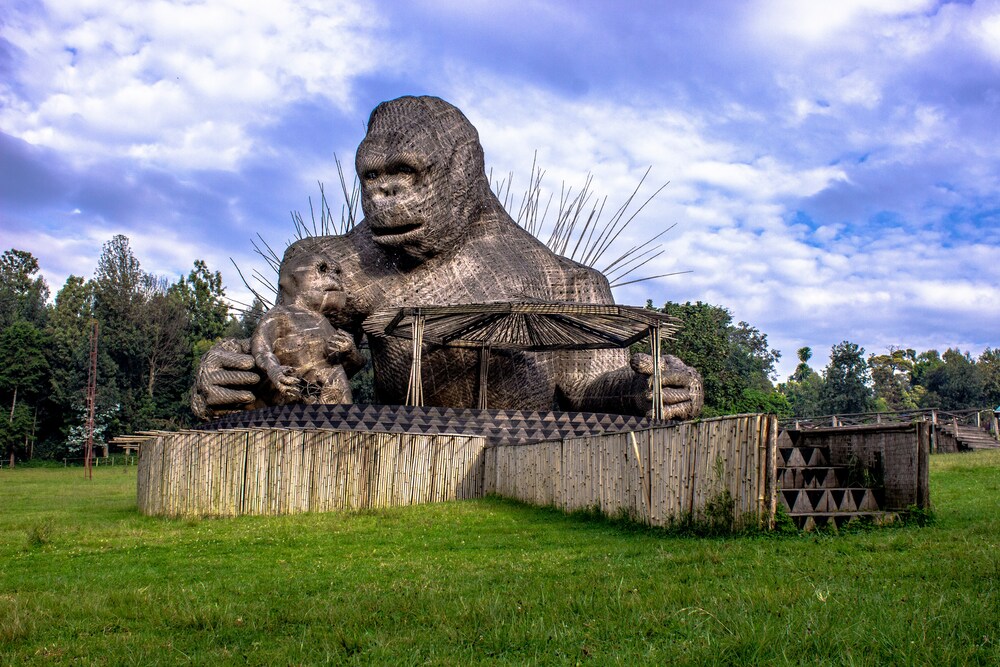
One unique festival worth viewing is the Kwita Izina Ceremony in June when the country’s newborn baby gorillas are named. Commemorations related to the 1994 Genocide Against the Tutsi – Genocide Memorial Day on April 7th and Liberation Day on July 4th – are important but sobering affairs. September hosts the up-and-coming Rwanda Film Festival, while Christmas and Easter are big holidays like in the rest of the Christian world.
Is Rwanda safe for tourists?
Rwanda is considered one of the safest countries in Africa for tourists, with low crime rates, a stable government, and well-maintained infrastructure. There is a high police presence in Kigali alongside a low rate of corruption.
The biggest natural hazards are landslides, and although these seldom endanger tourists, they may delay travel. Visitors should stray away from conversations regarding Rwandan politics and opinions and comments about the 1994 genocide.
Unlike its neighbours (most notoriously Uganda), Rwanda has no laws criminalizing consensual same-sex relations. However, Rwandans are generally Christian and socially conservative, so it is recommended to keep your sexuality private while in the country. Public displays of affection are utterly inappropriate regardless of who is involved.
Plastic bags are strictly prohibited, and fines for importation are severe.
What currency is used in Rwanda?
Rwanda’s currency is the Rwandan Franc (RWF), which trades at around 1,300 to the US Dollar. It is commonly known as the Amafaranga in both Kinyarwanda and English. You can check the exchange rate here.
US Dollars and Euros can be exchanged easily, although smaller denomination notes fetch worse (5-10% less) rates. Other currencies are harder to exchange, although most things can be changed in Kigali for reasonable prices.
What languages are spoken in Rwanda?
The national language is Kinyarwanda, which is spoken by everyone. Rwanda is unique in Africa as it is one of the few countries on the continent where one ethnic group make up the vast majority (99%) of the population. Kinyarwanda is a Bantu language and is almost identical to Kirundi, the national language of neighbouring Burundi.
Due to the homogeneity of Rwanda’s population, foreign (especially European) languages are not used as a lingua franca. They are therefore not spoken widely in the way that they are in many other African countries.
In addition to Kinyarwanda, English, French, and Swahili are official languages. Due to being a former Belgian colony, French was historically used as the language of communication, business, and interethnic communication. Almost all educated older (and some younger) people speak French, but the current government is making a conscious effort to switch from French to English. This is because of the difficult legacy of the French language and the role of the French government in the 1994 Genocide. Swahili is sometimes used as the language of business with neighbouring Kenya and Tanzania, but fluency is rare.
Some younger people speak English, and the language is taught in schools, but proficiency is generally poor, however it is enough to get by.
Can I use a credit/debit card in Rwanda?
Yes, you can use credit and debit cards in Rwanda, particularly in Kigali and at hotels, restaurants, and larger shops. However, outside of the capital and at markets it is rare for cards to be accepted, so we strongly recommend carrying cash with you.
What health precautions should I take in Rwanda?
Travelling to Rwanda is not high-risk but does require taking some health precautions. Ensure you are up-to-date on routine vaccines and consider vaccinations for hepatitis A, hepatitis B, typhoid, yellow fever, and rabies. Yellow fever vaccines are mandatory if coming from a country where it is endemic. As Rwanda is a malaria-endemic country, take antimalarial medication as prescribed, use insect repellent, sleep under mosquito nets, and wear long-sleeved clothing to prevent mosquito bites. Drink bottled or boiled water, avoid ice in drinks, and eat thoroughly cooked food that is served hot, while being cautious with raw fruits and vegetables unless you can peel them yourself.
We strongly advise having comprehensive travel insurance that covers medical expenses, including evacuation in case of severe illness or injury. Rwanda does have hospitals and clinics in major cities like Kigali, but medical services may be limited, especially in rural areas. We are not doctors, so we recommend talking to your medical professional and checking out our blog post, Seven Essential Health Tips for Globe-Trotters.
Can I get a SIM Card in Rwanda?
Contacting the outside world from Rwanda is relatively straightforward. The country has a reliable mobile network, and you can cheaply purchase a local SIM card. Many hotels, cafes, and restaurants in major cities such as Kigali offer free Wi-Fi, though speeds can be slow. For international calls, we recommend using internet-based services such as WhatsApp or Zoom, as they are more cost-effective.
The Rwandan post, Iposita, is generally reliable, albeit slow. Stamps for postcards cost around 700 RWF and take an average of a month to reach Europe.