
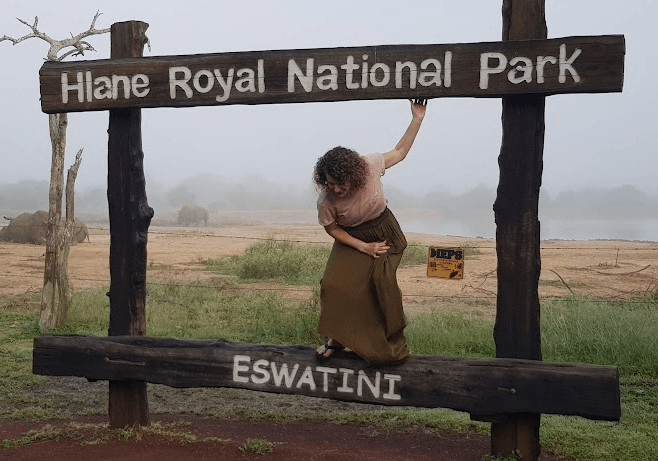
There are places in Africa where nature still dictates the rhythm of life. Where the dawn is announced by the distant roar of a lion, elephants wander through ancient woodlands, and endangered rhinos graze peacefully beneath towering leadwood trees. Welcome to Hlane Royal National Park, the largest protected wildlife reserve in the Kingdom of Eswatini.
Unlike many of Africa’s more famous safari destinations, Hlane remains wonderfully uncrowded. Here, visitors experience the thrill of genuine wilderness without the traffic jams of safari vehicles. It is Africa at a slower pace – raw, peaceful, and unforgettable [Read about the government system of Eswatini].
Table of Contents
A Royal Wilderness
The word Hlane means “wilderness” in siSwati (Swazi), and few names could be more fitting. Originally reserved as a royal hunting ground by King Sobhuza II before becoming a protected national park, Hlane has evolved into Eswatini’s flagship conservation area. Today it safeguards vast tracts of Lowveld savannah, ancient hardwood forests, wetlands, and open grasslands where wildlife thrives under careful conservation management.
Covering approximately 300 square kilometres (3.23 billion square feet), the park is part of the greater Lubombo Conservancy, helping preserve one of southern Africa’s most important ecosystems.
Meet Africa’s Giants
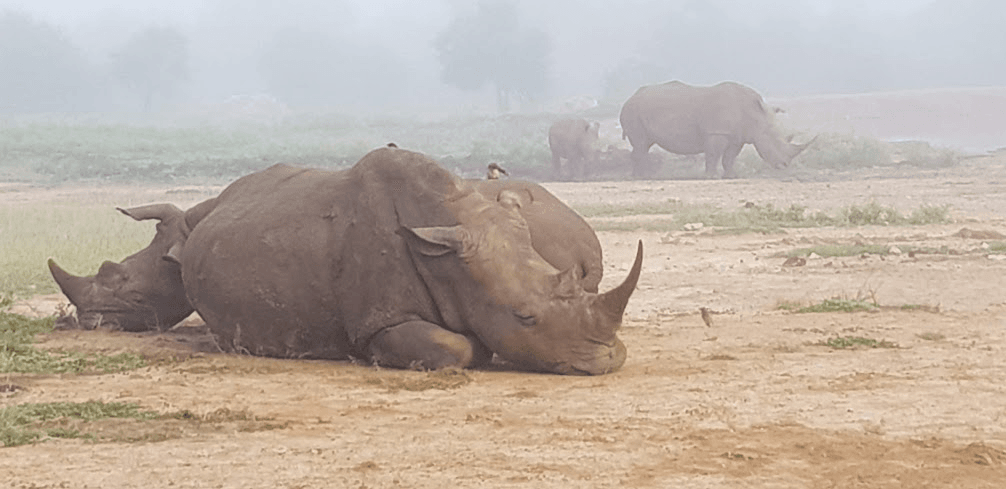
The true stars of Hlane are undoubtedly its magnificent wildlife.
Visitors regularly encounter:
- White Rhinoceroses
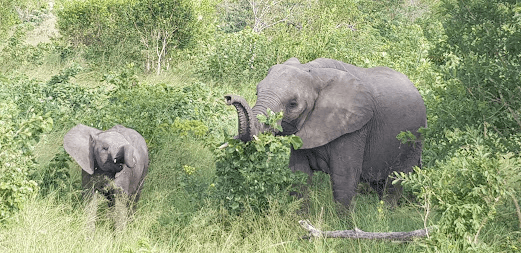
- African Elephants
- Lions
- Giraffes
- Hippos
- Plains Zebra
- Blue Wildebeest
- Warthogs
- Impala
- Kudu
- Nyala
- Waterbuck
One of Hlane’s greatest successes has been its rhino conservation programme. White rhinos are frequently seen around the waterhole near Ndlovu Camp, providing some of Africa’s best opportunities for close, yet safe, wildlife viewing. Lions inhabit a separate managed area and are viewed during guided game drives, adding an exciting dimension to every safari.
A Paradise for Bird Lovers
Birdwatchers quickly discover that Hlane is much more than a safari destination.
More than 300 bird species have been recorded here, making it one of southern Africa’s finest birding locations. The park is internationally renowned for hosting one of Africa’s largest breeding colonies of White-backed Vultures.
Other impressive species include:
- Marabou Storks
- Martial Eagles
- Bateleurs
- Hornbills
- Kingfishers
- Bee-eaters
- Herons
- Various owls and raptors
Whether you’re carrying professional camera equipment or simply a pair of binoculars, every drive reveals something remarkable.
Safari Your Way
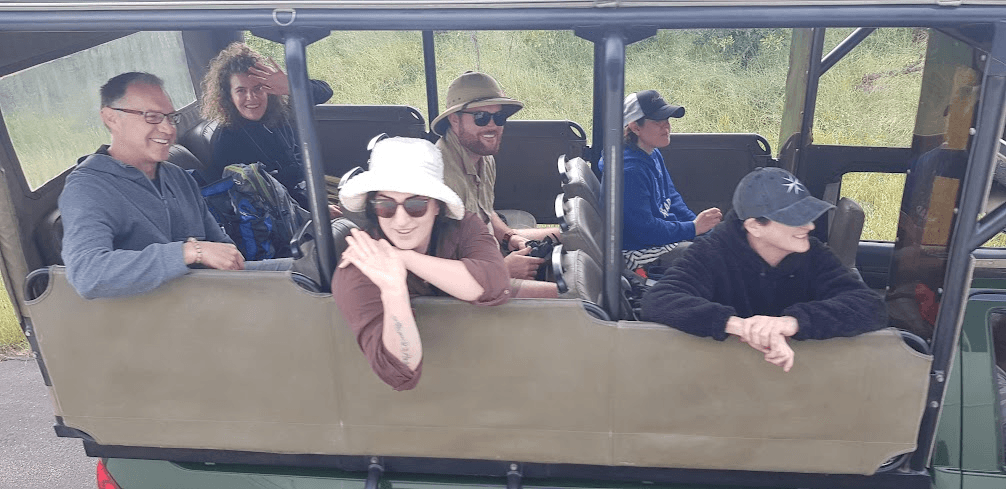
One of Hlane’s greatest attractions is the variety of ways to explore the wilderness.
Self-Drive Safari
Well-maintained roads allow visitors to explore large sections of the park at their own pace. Waterholes often provide exceptional wildlife viewing, especially during the dry season.
Guided Game Drives
Knowledgeable local guides share fascinating insights into animal behaviour, conservation efforts, and Swazi culture while taking visitors safely into lion territory.
Rhino Walking Safari
Perhaps Hlane’s most unforgettable experience is walking alongside experienced rangers to observe white rhinos on foot. Feeling the ground shake beneath these prehistoric giants creates memories that last a lifetime.
Birding Excursions
Specialist bird guides help visitors locate elusive and rare species hidden among the acacia woodland and wetlands.
Sleep in the African Bush
Accommodation within Hlane ranges from comfortable self-catering cottages to traditional beehive huts and safari lodges.
Ndlovu Camp is the park’s main accommodation area and overlooks a busy waterhole where elephants and rhinos frequently visit. Enjoy dinner while watching wildlife wander just metres away.
For travellers seeking greater solitude, Bhubesi Camp offers a peaceful bush retreat surrounded by nature and the sounds of nocturnal wildlife.
Best Time to Visit
Every season offers something unique.
May to September (Dry Season)
- Easier wildlife viewing
- Animals congregate around waterholes
- Cooler temperatures
- Ideal safari photography
October to April (Green Season)
- Lush landscapes
- Migratory birds arrive
- Excellent birdwatching
- Dramatic African thunderstorms
- Newborn wildlife
Traveller’s Essentials
| Information | |
| Country | Eswatani |
| Location | Approximately 67 km north-east of Manzini |
| Size | Around 300 km² |
| Best For | Safari, wildlife photography, birdwatching, rhino encounters |
| Famous Animals | White Rhino, Elephant, Lion, Giraffe |
| Best Time | May – September |
| Activities | Self-drive safaris, guided game drives, walking safaris, birdwatching |
| Accomodation | Safari lodges, cottages, beehive huts, camping |
Why Hlane Should Be on Your African Bucket List
Many travellers flock to the famous safari parks of southern Africa, yet Hlane quietly offers something increasingly rare – space, tranquillity, authenticity, and extraordinary wildlife encounters without the crowds. Here, every game drive feels personal, every sunrise belongs to you, and every encounter with a rhino or elephant becomes a treasured memory [Tip: Currency that is used in Eswatini].
If you’re searching for an African safari that combines conservation, culture, and breath-taking wildlife in an intimate setting, Hlane Royal National Park is waiting. Step into Eswatini’s royal wilderness, where Africa’s timeless beauty still roams free, and discover why this hidden gem deserves a place on every traveller’s bucket list. [Why Eswatini is not part of South Africa]
Check out Our Eswatini Tours.