
On the 30th of September 2026, American forces completed the planned and staggered US withdrawal from Iraq. After more than a decade of continuous US presence in Iraq, America has formally completed Operation Inherent Resolve in Iraq. The history of US military intervention in Iraq has been long and complex – in the 21st century alone.
Table of Contents
Operation Inherent Resolve
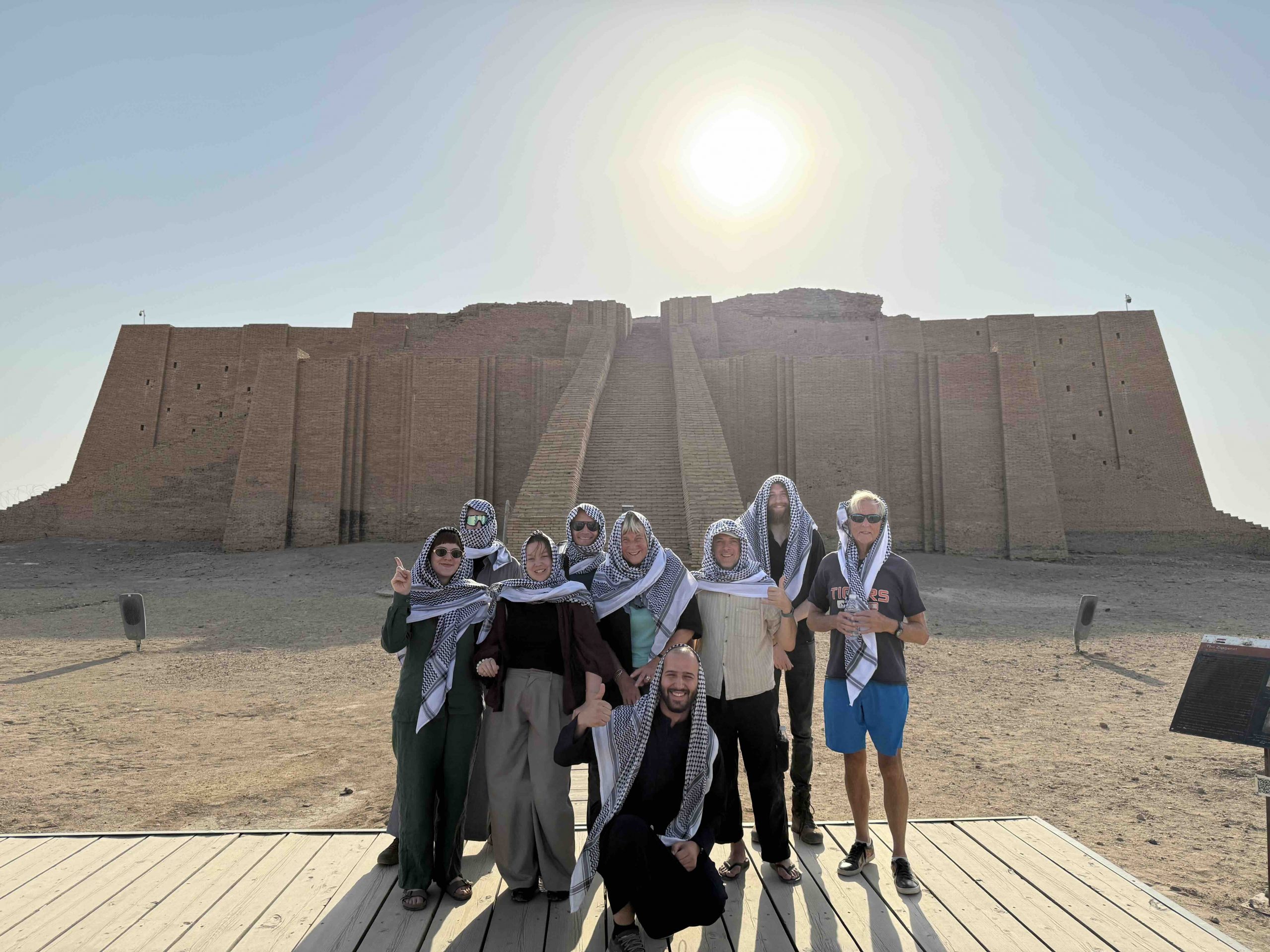
Operation Inherent Resolve is the official name for the US-led military campaign against ISIS in Iraq and Syria, launched in 2014 after the group seized large areas of both countries, including Mosul. The operation brought together an international coalition to carry out airstrikes, train local forces, provide intelligence and support the fight against ISIS. Iraqi Security Forces, the Kurdish Peshmerga and the Syrian Democratic Forces all played major roles in pushing the group back.
By 2017, ISIS had lost control of its major cities in Iraq and Syria, and in 2019, it lost its final significant territorial stronghold at Baghouz. However, the group never completely disappeared, continuing to operate through insurgent cells and underground networks. Operation Inherent Resolve has since evolved as the coalition’s military presence in Iraq draws to a close.
The end of Operation Inherent Resolve in Iraq speaks volumes of the success of the programme. The presence of ISIS is extremely minuscule, with small scale missions against small cells and individuals taking place, usually in very rural and remote areas of the country. The ISIS which once controlled major hubs in Iraq including Mosul is now a force of the past.
US officials reached an agreement with the Iraqi government to end the coalition’s military mission against ISIS in Iraq, with plans for US troops to withdraw from several bases they had occupied. The agreement, announced in 2024, began a phased transition that culminated on 30 September 2026, when the coalition’s military mission in federal Iraq formally concluded. However, Operation Inherent Response was by no means the first American military intervention in Iraq, not even in just the 21st century.



2003 US Invasion of Iraq
The US Invasion of Iraq, commencing 20 March 2003. The invasion had multiple and evolving goals, with one of the biggest goals to oust Sadaam Hussein from power. Coupled with the attempt to eliminate Iraq’s alleged weapons of mass destruction (WMDs), counter terrorism and establish a new political system in the country, the invasion was doomed to be a long ordeal.
Most people are familiar with elements of the US invasion of Iraq, which included a long military presence in the country which is attributed to the dissent into social chaos, collapse of the political system and festering an environment for the likes of Al Qaeda and ISIS to grow.
The 2003 US invasion of Iraq had long-lasting consequences for the country, many of which are still felt today. While Saddam Hussein was removed from power, the collapse of government institutions and disbanding of the Iraqi army created a power vacuum that contributed to years of instability and violence. Sectarian tensions grew, insurgent groups gained ground, and millions of Iraqis were displaced by conflict. The situation also helped create the conditions for al-Qaeda in Iraq to develop into ISIS, which later seized large areas of Iraq and Syria in 2014.
Beyond the violence, the war caused significant damage to infrastructure and public services, while corruption and poor governance made reconstruction difficult. Iraq transitioned to a new political system, but political divisions and struggles over power continued. The invasion also shifted the balance of power in the Middle East, with Iran gaining greater influence in Iraq. Although the US-led invasion achieved its immediate goal of overthrowing Saddam Hussein, it was followed by years of conflict, insecurity and political uncertainty. The effects of the invasion continue to shape Iraq’s security, politics and daily life more than two decades later.

Operation Desert Storm
Operation Desert Storm was the US-led military campaign launched in January 1991 to force Iraqi troops out of Kuwait, following Saddam Hussein’s invasion of the country in August 1990. The United States provided the bulk of the coalition’s military power, deploying hundreds of thousands of troops alongside a major air and naval campaign.
US forces carried out extensive airstrikes against Iraqi military positions, infrastructure and command centres, before joining coalition ground forces in an offensive that lasted just 100 hours. Although the campaign pushed Iraqi forces out of Kuwait, it also brought the conflict directly into Iraqi territory, with bombing targeting sites across the country, including Baghdad. The coalition stopped short of overthrowing Saddam Hussein, and his government remained in power.
Following the ceasefire, the US maintained a military presence in the region and became involved in enforcing no-fly zones over northern and southern Iraq. These operations continued throughout the 1990s, keeping US forces involved in containing Saddam’s government long before the 2003 invasion.
What Could The US Withdrawal From Iraq Mean For The Region?
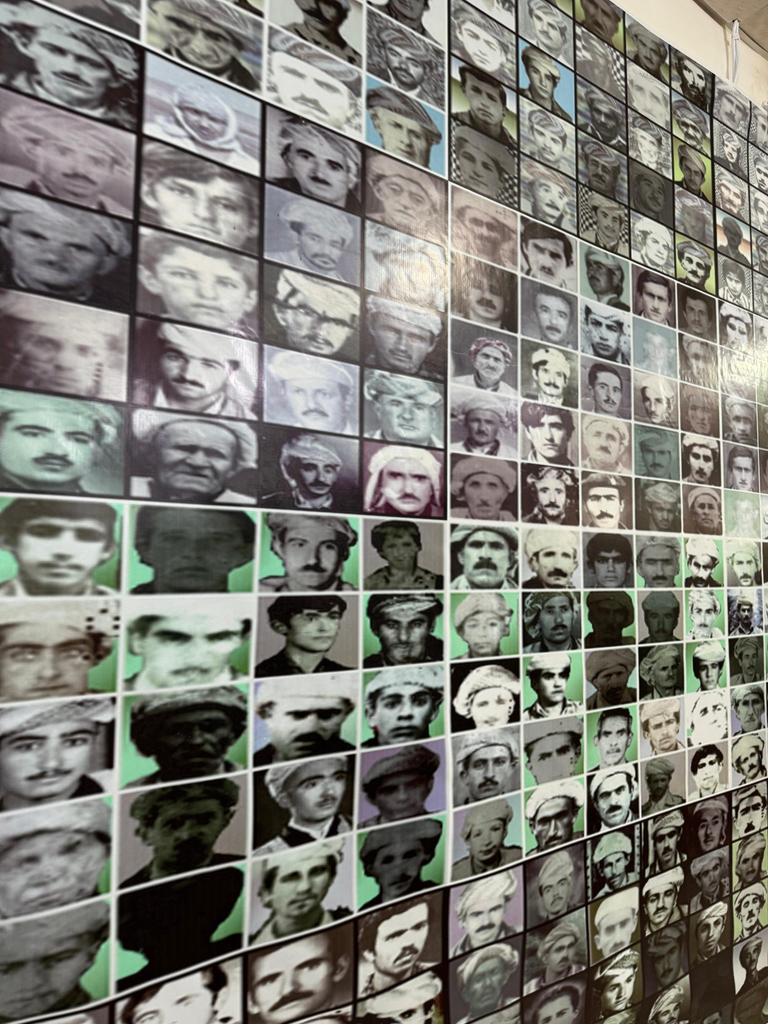
The full withdrawal of US troops from Iraq could mean a power vacuum in Iraq. Continued US presence in Iraq has lead to many people fester negative feelings towards the government and have pushed the country to align politically more with Iran.
With the bases occupied by the US now empty, it is unsure which group, aligned with which major power may move in next.
What is sure, is that the 30th of September 2026 will go down in history as the day the Americans left Iraq after a very long tragic spell of war, violence and chaos. The withdrawal of US forces also speaks to the relative stability of Iraq, who no longer need the US’s help to deal with counter terrorism.


Join Us In Iraq!
Join us in Iraq on one of our many group tours! Whether you want to spend your Christmas in Baghdad, visit the heartbreaking Mosul, hike in Kurdistan or participate in the worlds largest pilgrimage – we have a tour for you!